


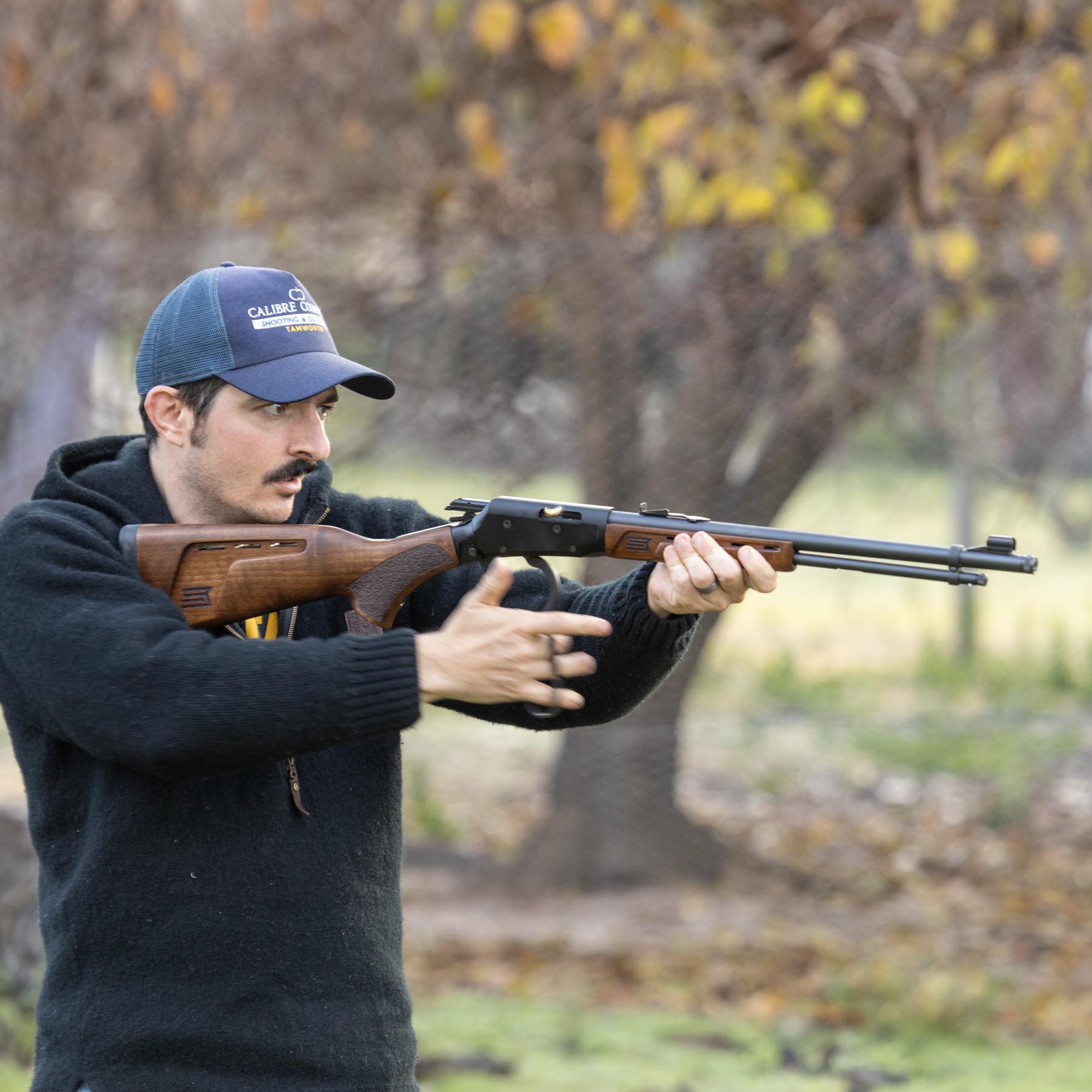

The new Savage Revel gets its name from ‘lever’ being spelled backwards, but there is nothing backwards about this fun and accurate rifle.
This DLX model is a different style from what we have come to expect from Savage but the designers have put together something that suits the market well.
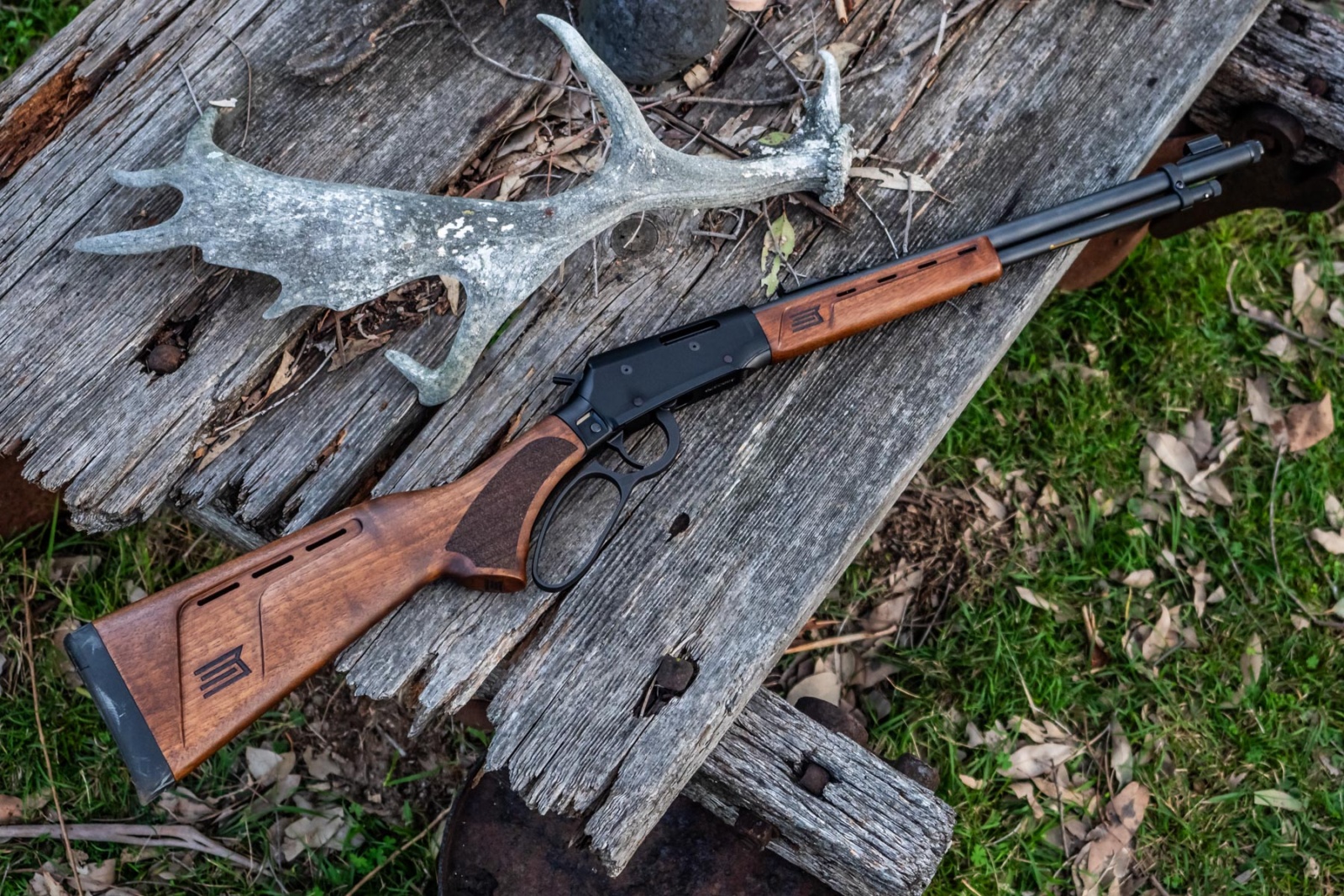
Combining the enjoyment of a rimfire lever-action with some modern styling is a recipe that should make this rifle a popular choice.
It’s available in the three common rimfire chamberings — .17 HMR, .22 LR and .22 WMR. The .22 LR version holds 12 rounds in the tubular magazine and the magnums hold nine. All are great fun for small game but the best choice for cheap plinking fun is obviously the .22 LR.
The action functions much like any other lever-gun, but I would say it’s smoother than others. The rifle I received for testing was brand new and the action was like butter out of the box, whereas other ones I’ve used needed some shooting to wear in.
I shot hundreds of rounds during this test and feeding and ejection were flawless. The spring tension in the magazine holds things securely and the locking mechanism has a positive feel.
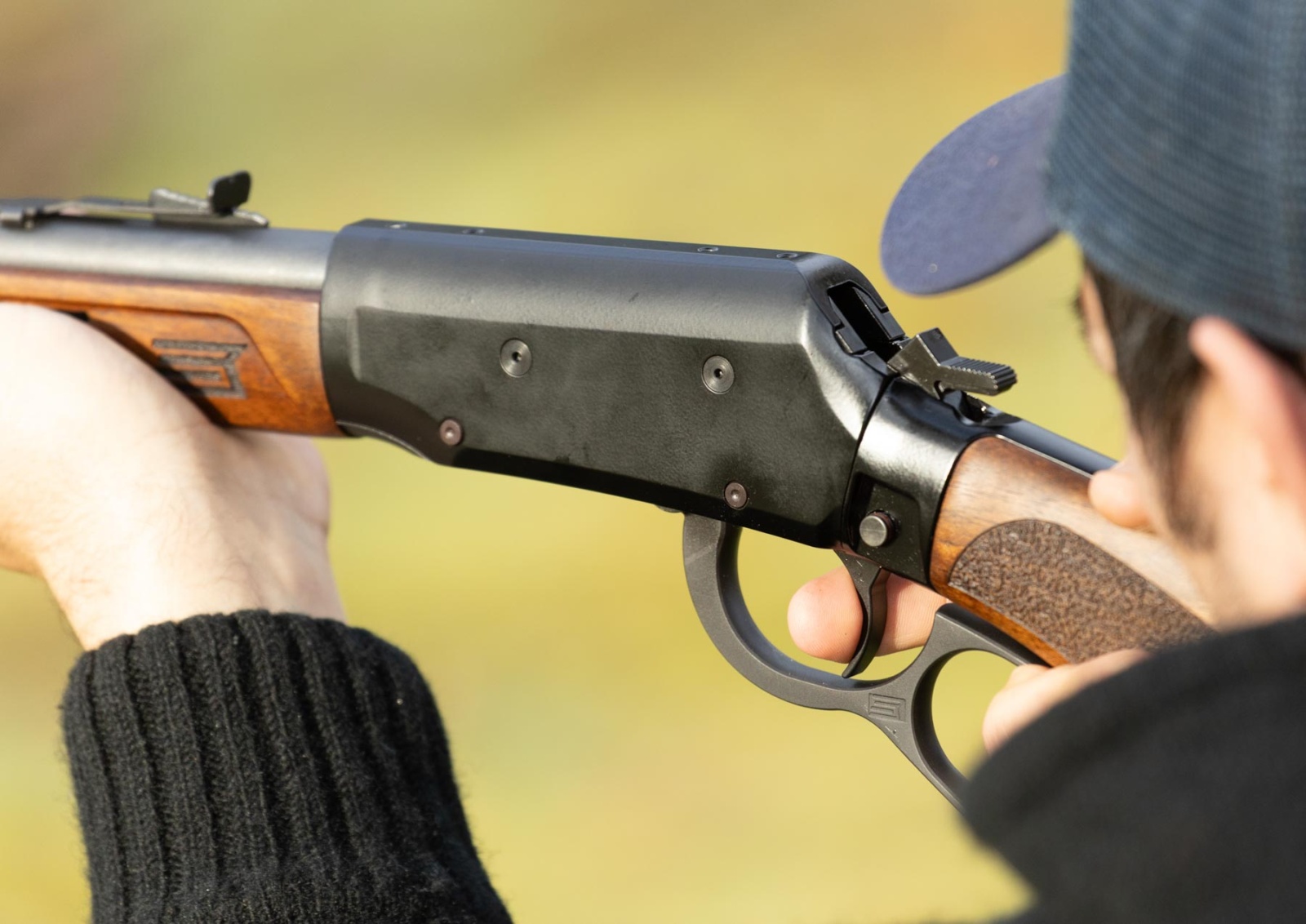
The single-stage trigger breaks at around 1.2kg (2.6lb) and over many pulls it always broke within about 100 grams of the advertised weight. For the most part it breaks cleanly and feels good, but I did detect a tiny bit of creep on some breaks. This had no impact on my ability to shoot accurately from a bench or while hunting, and it’s on par with offerings from other brands.
There is both a cross-bolt safety behind the trigger as well as a half-cock safety in the hammer. Both work as they should, but while stalking I was partial to the half-cock.
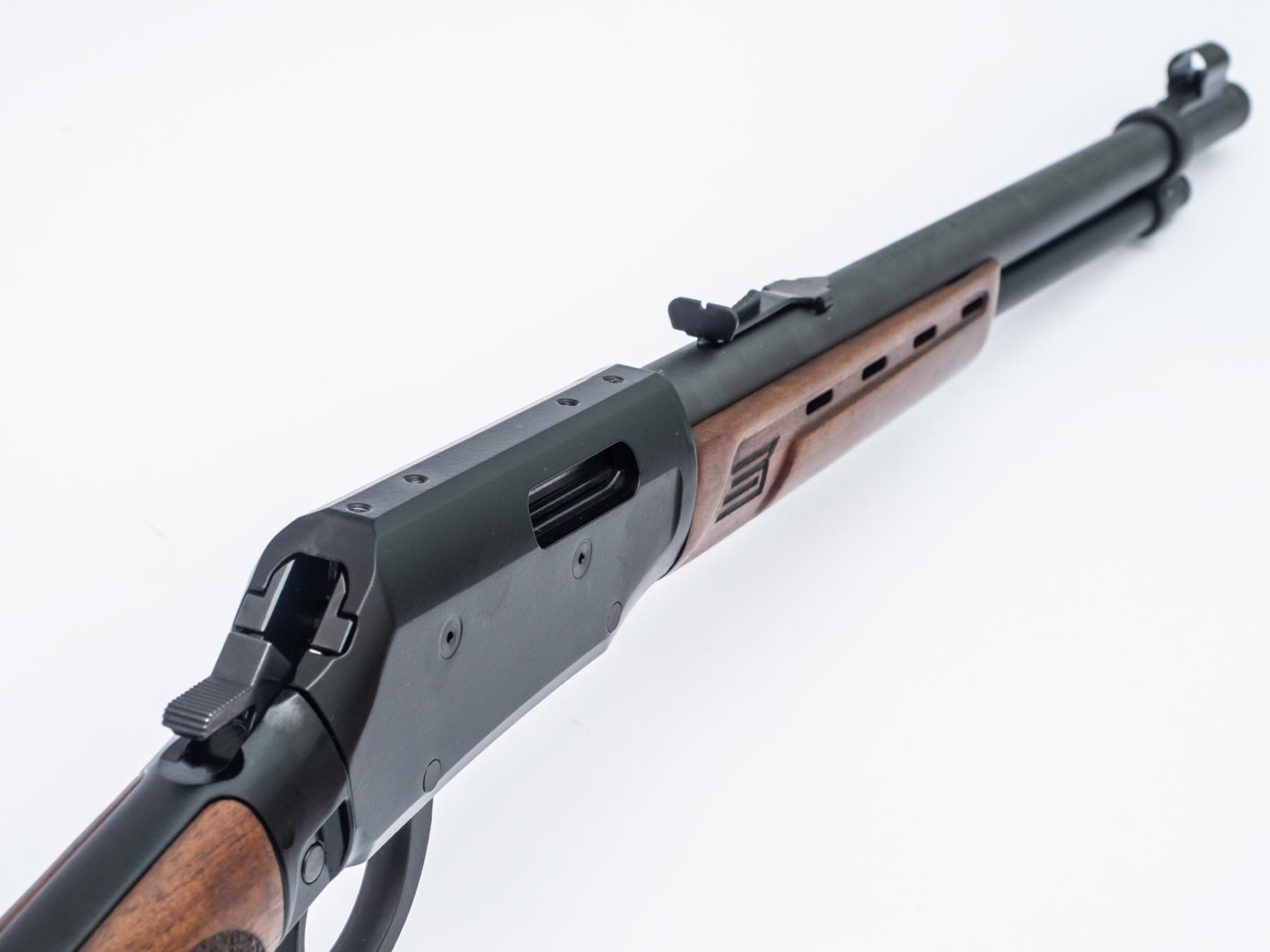
The aluminium receiver is drilled and tapped to mount a sight if you choose, but the bases required are unique to this system. I was unable to source any in a timely manner for this review, but I think shooting the Revel with iron sights was the right vibe for this test anyway.
The overall fit and finish of the receiver in the stock is fantastic, and the receiver has curved contours in places that help set this rifle apart from more old-school options.
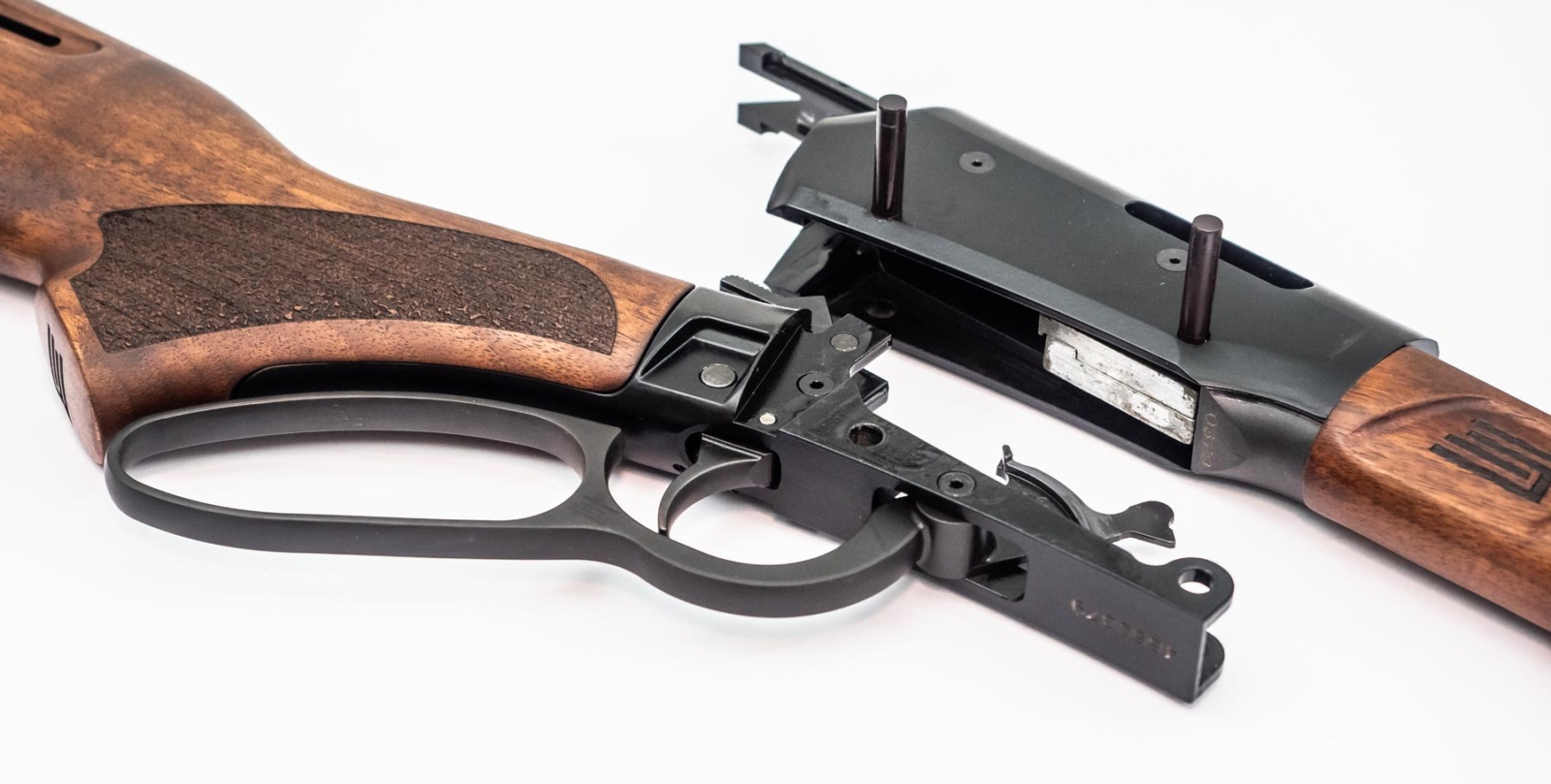
It’s advertised as a tool-less takedown, in that you don’t need to use a screwdriver or Allen key to unscrew anything, but there are two pins at the bottom of the receiver that need to be driven out. A few gentle taps with an appropriate mallet and punch on each pin are all that is needed to take this rifle apart, and they tap back in with equal ease. They stay in the receiver as well so there is no chance of them falling out and getting lost.
The 45cm (18”) barrel is more than long enough to achieve good .22 LR velocity, but also gives a good sight radius with the iron sights. It’s a medium profile so it has decent heft and potential for accuracy, but still balances well. It’s carbon steel and the blueing looks to be of high quality.
The stock on this DLX model is made from Turkish walnut and has a pistol grip, some stippling and machining to give good grip in important places and modern design flare. The satin finish looks great, will wear nicely and adds to the overall modern feel.
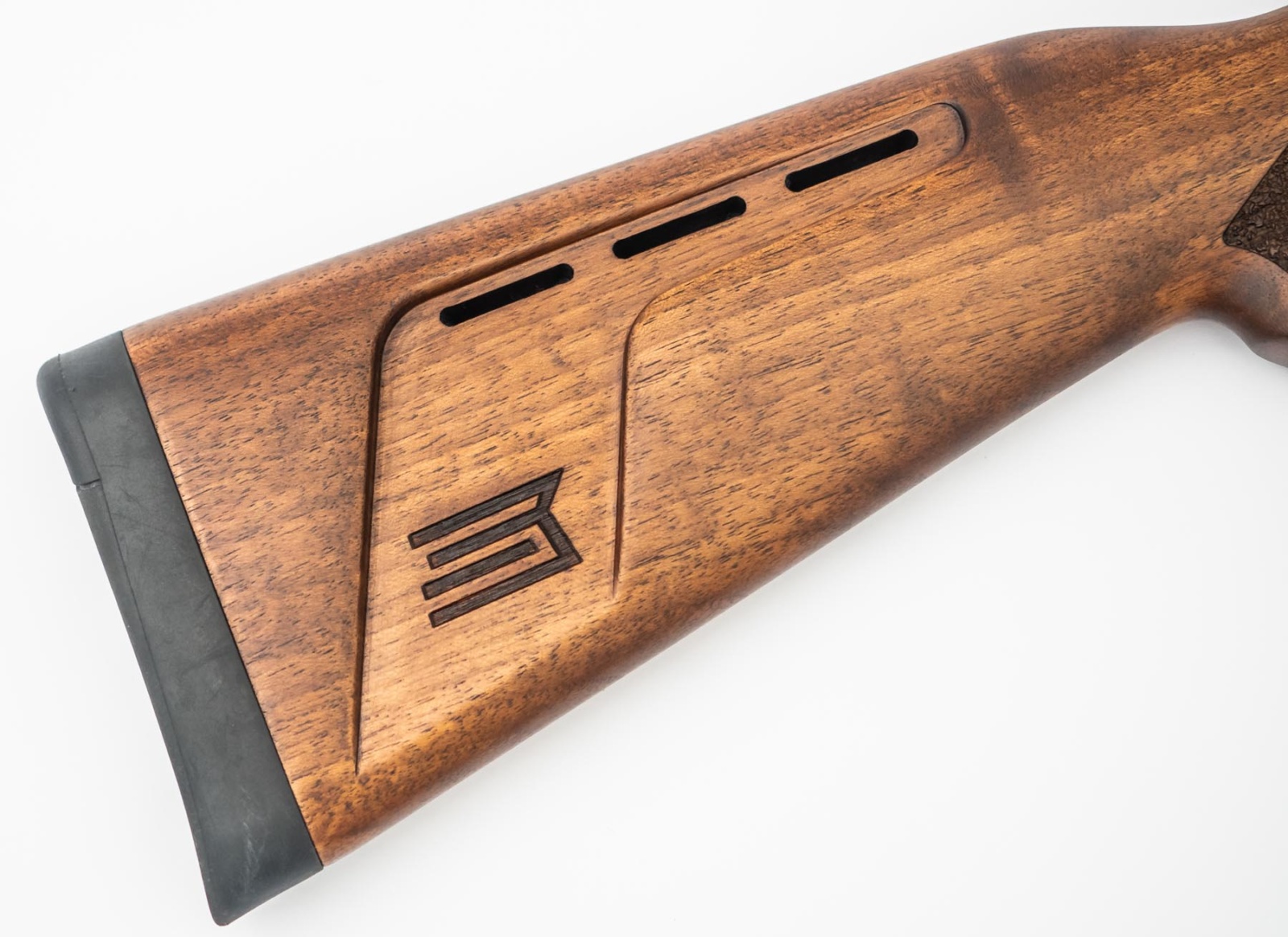
A generous rubber butt pad isn’t necessary in terms of recoil, but it helps to keep it secure in your shoulder. An additional plastic cap at the top of the recoil pad stops it grabbing your shirt or jacket too much.
For shooters who want a more traditional cowboy look, Savage offers a Classic model with a straight grip, no stippling or machining, and a big-loop lever. The butt pad on the Classic is a straight plastic version.
Keep in mind that the length of pull on the Revel is just under 38cm (15”) and it weighs 2.95kg. It weighs about the same as my Winchester Model 94 in .30-30, with the length of pull being a couple of centimetres longer. While it’s still a sleek, lightweight rifle to point and carry, it’s worth considering that this may be a little long for a youth or female shooter.
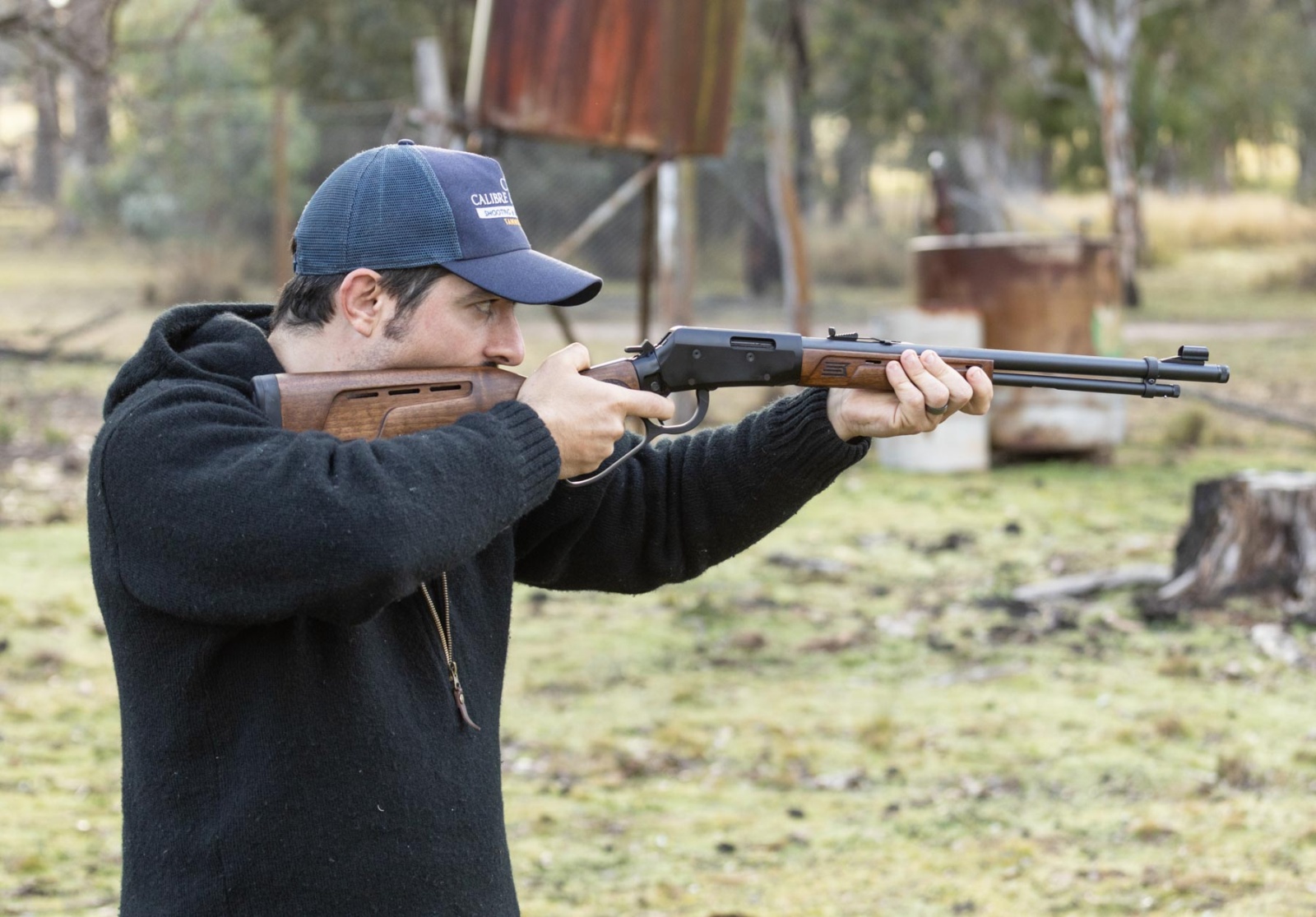
I’m far from a large man, being 172cm tall and drawing 71cm (28”) on my compound bow, and for me, cycling the lever smoothly was a touch too difficult because of how long the stock is. This is hardly a dealbreaker, and I got around it by slightly lowering the forend of the rifle when I cycled new rounds, but it’s worth being aware of.
This test is much more about how the rifle feels and functions and less about overall accuracy, as that is entirely dependent on how good your eyes are and your ability to shoot with open sights. Still, I was up for the challenge of putting some holes through paper that might be indicative of the potential of the rifle in the hands of someone who is reasonably competent.
The design of the iron sights is better than the traditional old-school buckhorn and lining up the top of the front post with the top of the rear sight was about as repeatable as one could hope. Adjusting them is like any other lever-action, with various notches under the rear sight for elevation changes, and a few light taps with an appropriate tool to adjust windage in either direction. I made a couple of adjustments for some of my shooting situations and it never took more than a few seconds.
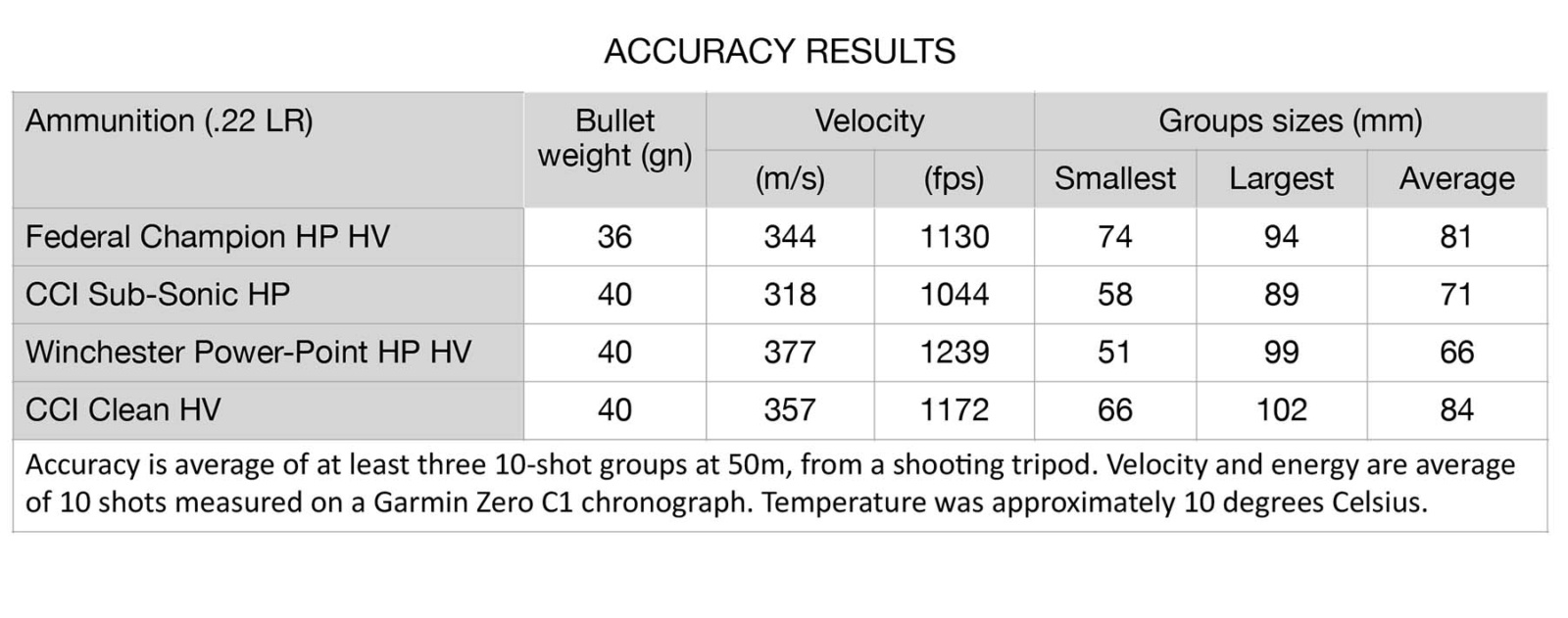
I plinked away at some cardboard boxes and I shot a couple of 10-shot groups that came in just over an inch at roughly 25 metres. For the proper accuracy testing, I was ambitious and shot multiple 10-shot groups at 50 metres, hoping the results would indicate that the rifle was capable of shooting ‘minute of rabbit’ at that distance. I used a solid tripod rest and spent a couple of hours shooting in my front yard while enjoying a cup of tea and some sunshine after a weekend snowstorm.
I tested four kinds of ammunition and the average group sizes were between 66mm and 84mm (2.6” and 3.3”) at 50 metres. That pleased me. The data is all in the table for you to see and the numbers are a good guide. While the Winchester Power-Point HV gave the two best groups at 50-53mm (2.0-2.1”), and CCI Clean gave the largest group at 100mm (4”), I don’t feel that any ammunition performed demonstrably better than another and the differences in group sizes are likely flukes or a result of a brief gust of wind. Still, it’s good for you to know that groups around the 75mm (3”) mark are perfectly achievable with iron sights at that distance.
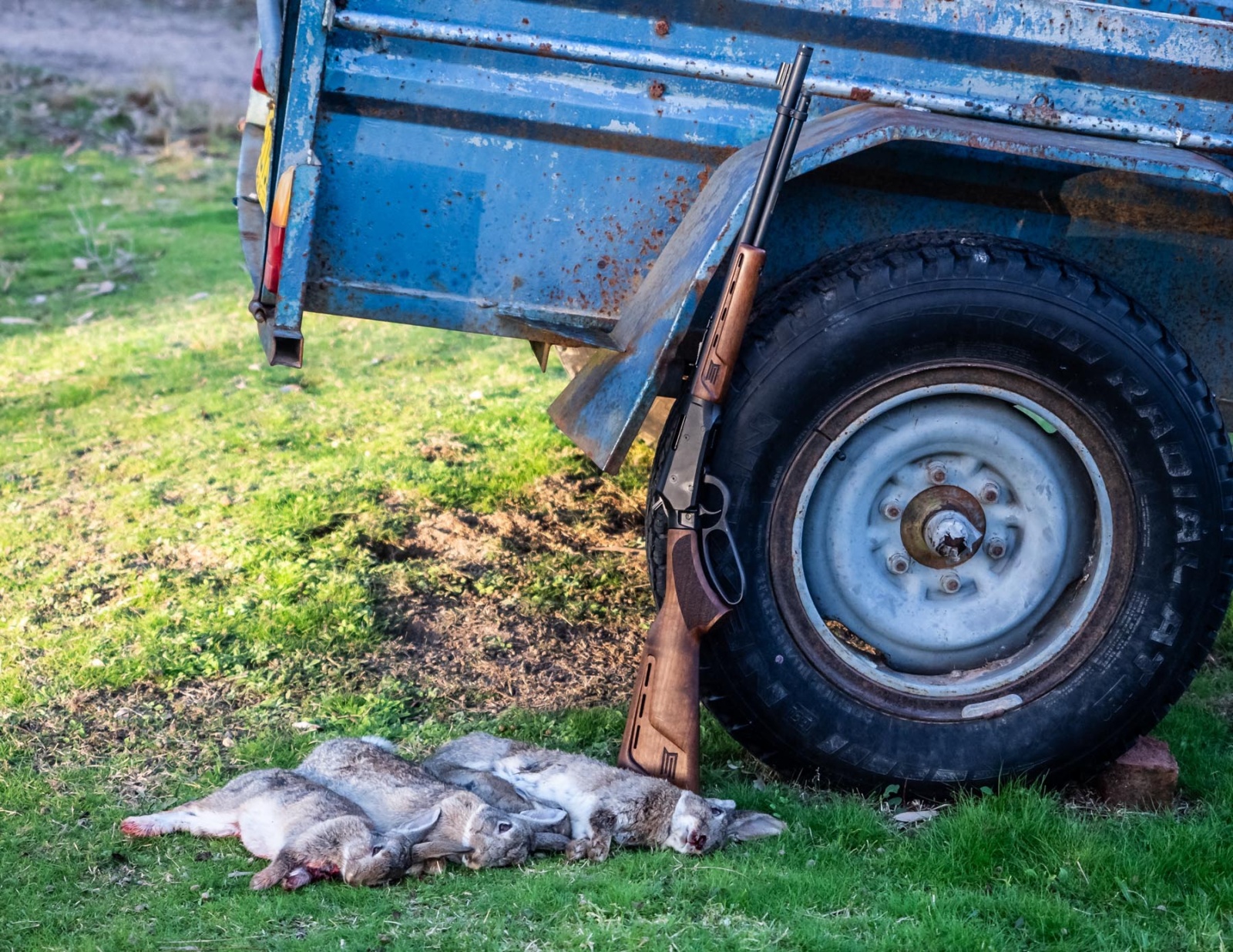
This rifle was as much fun as any lever-action rimfire I’ve used. I know it’s a cliché, but I’d genuinely forgotten just how much fun it can be to walk around interesting country and try to hit small targets off-hand inside realistic distances. I’m fortunate now that there is an abundance of rabbits at some of my hunting spots, so I poked around for a couple of afternoons and enjoyed thinning them out in beautiful farm surroundings.
It’s all the better when the action is slick and the sound of it opening and closing gives you the warm and fuzzies. It’s much lower stakes than shooting centrefires as it’s cheaper, is less problematic with noise, and every shot is a fun challenge, so you feel good when you get it right.
I think anyone who buys this rifle will be pleased with how it performs, especially at the price point.
Thanks to Calibre Country in Tamworth for support with ammunition and transfers for this review.
SPECIFICATIONS
- Manufacturer: Savage Arms, USA
- Action: Lever
- Calibre: .22 LR (tested), .17 HMR, .22 WMR
- Barrel: 45cm (18”) threaded ½x28
- Stock: Walnut
- Finish: Blued
- Magazine: Tubular, holds 12 rounds of .22 LR
- Safety: Cross-bolt and half-cock
- Trigger: Single stage, 1.2kg (2.6lb)
- Sights: Iron sights
- Length of pull: 375mm (14.85”)
- Weight: 2.95kg (6.5lb)
- Length: 940mm (37”)
- Price: Around $1100
- Distributer: NIOA


0 Comments