


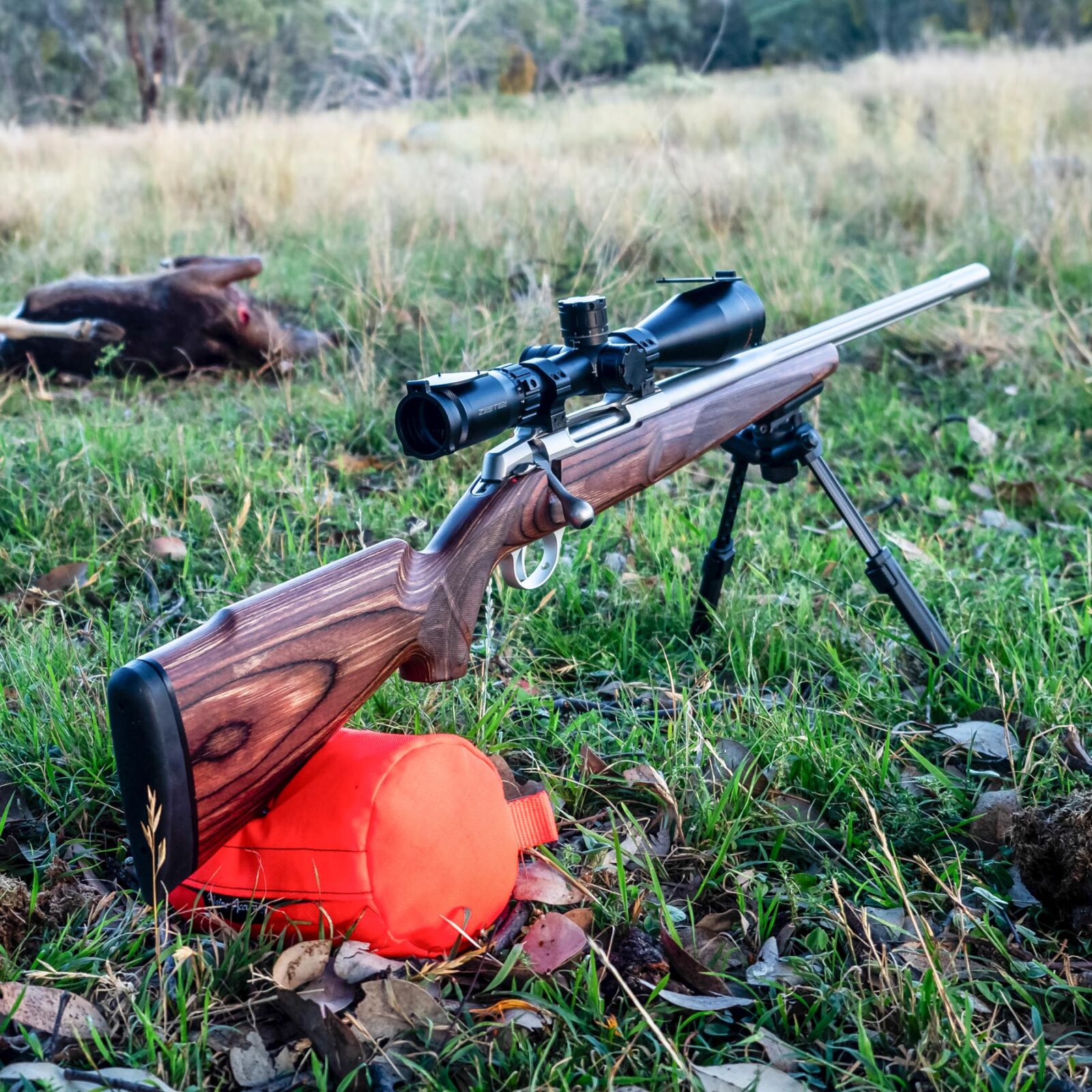



Sako has been producing varmint rifles for decades, offering shooters smart, functional firearms that perform well at the range or in the field. The 75 and 85 model varmints were popular among target shooters, professional shooters and enthusiastic hunters. The new 90 Varmint Laminated Stainless follows the same trajectory of previous models, with some useful upgrades that I think shooters will be pleased with. It is described as a classic rifle model with advanced features for varminting.
First impressions show the rifle looks like previous models, and that’s not a bad thing. There have been some changes in the factory chamberings; the .204 Ruger is no longer available and the .260 Remington has been replaced with the increasingly popular 6.5 Creedmoor. Besides this, the same chamberings are on offer, between .222 Remington and .308 Winchester, which covers most of the bases people might want to use this rifle for.
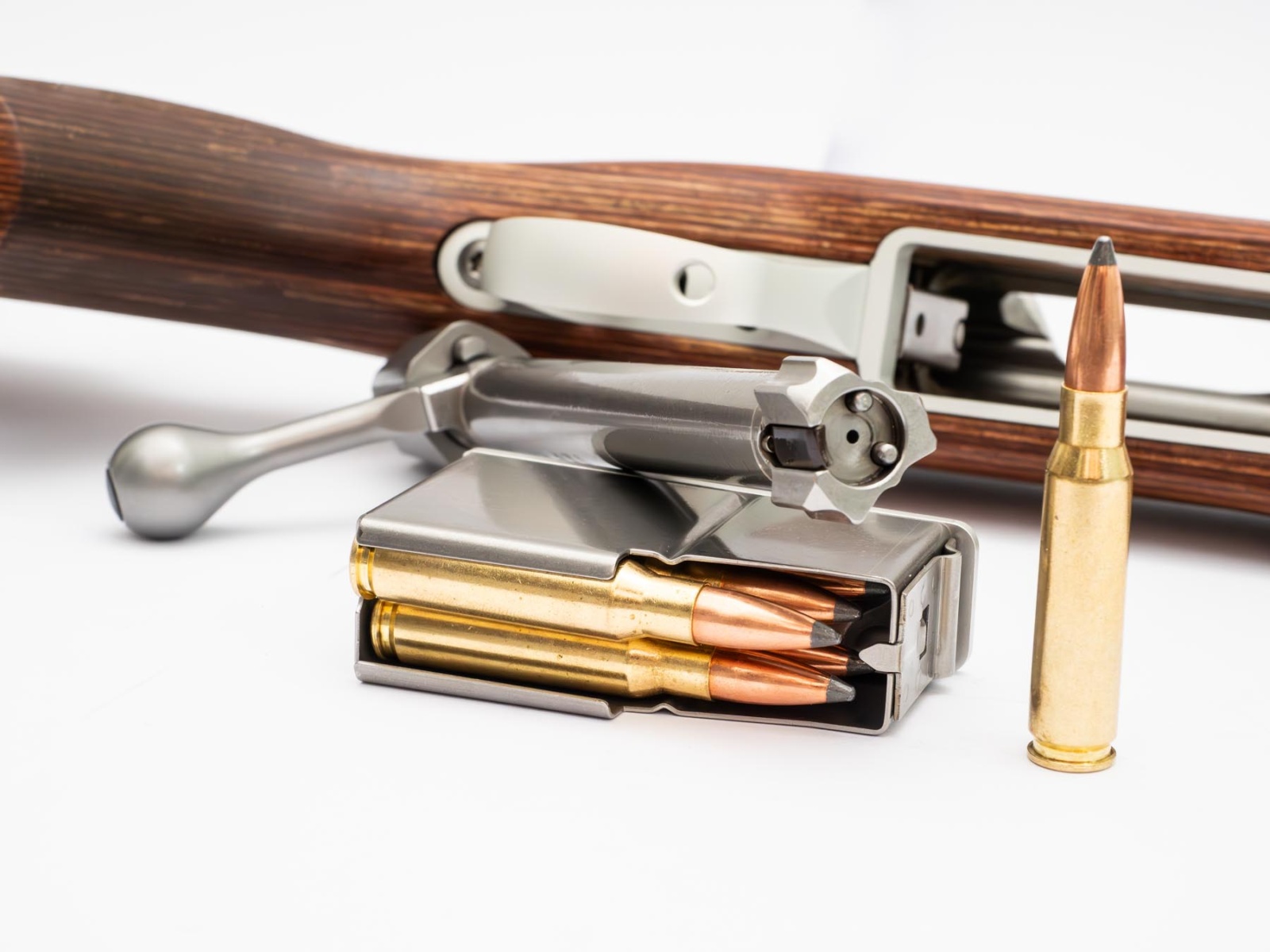
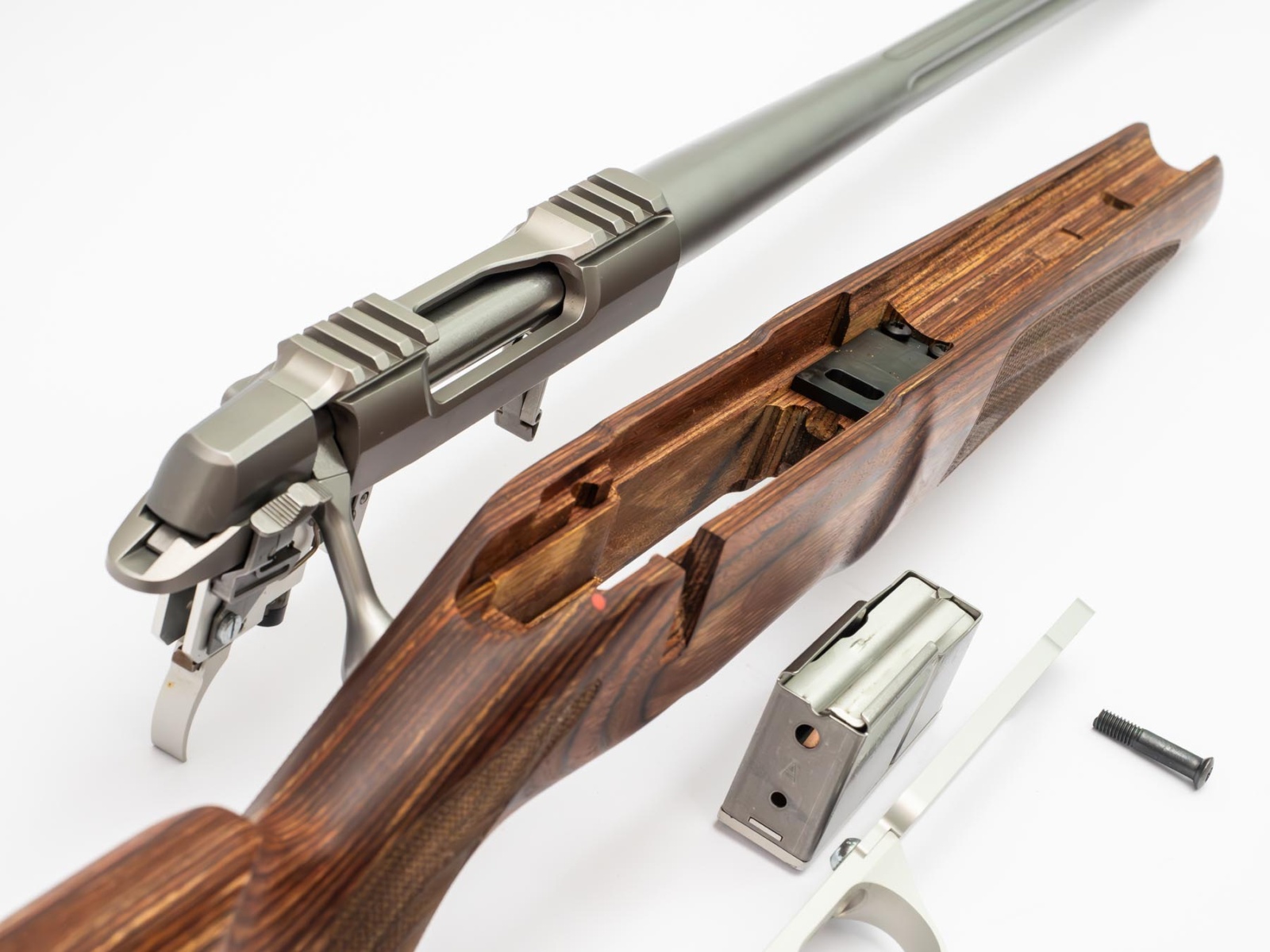
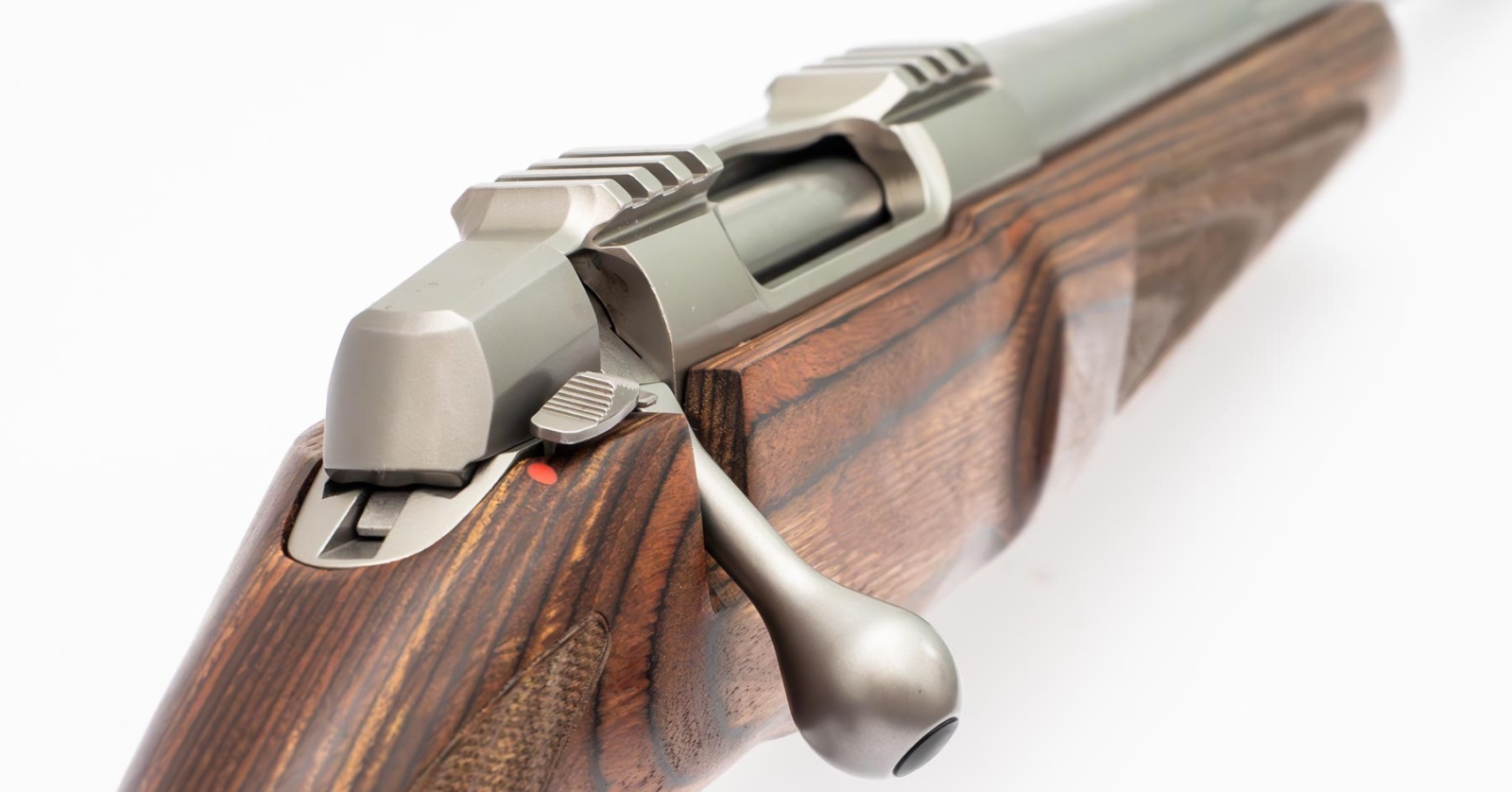
The action is stainless steel. The rifle comes apart easily for cleaning. Everything goes back together without hassle and it didn’t feel like I needed to place it ‘just right’ to have it sit in the stock properly. The bolt now has dual plunger-type ejectors and besides that, it’s basically the three-lug Sako 85 bolt.
The action now has a built-in Picatinny rail which adds a bit of strength, and obviously saves the need to buy bases; there are also Tikka-spec dovetails underneath it. Sako has slightly closed the top of the action at the ejection port so the cases eject out to the side more positively, as this was a concern with some of the 85 models. The safety is two position but there is a bolt release at the front that allows you to lift the bolt and unload the rifle while the safety is engaged. The red indicator at the back of the safety switch shows you whether the rifle is ready to fire or not.
The drop-box magazine needs to be pushed while releasing the lever, to prevent losing it when it gets bumped. Despite the top of the receiver being redesigned, there is still enough room to top load the magazine, which is the dual stacker that we’ve come to be familiar with in previous Sakos. It works just as well as all the others I’ve tried. It sits nice and flush with the bottom of the rifle, which is easy to move around when shooting off rests; it looking nice, too.
All chamberings are offered with 60cm (23.7-inch) fluted barrels, but you can also get the .223, .243 and .308 with 51cm (20-inch) barrels. The one I tested was the longer option in .308 Winchester. All the Sako 90 rifles feature match-grade cold hammer forged barrels. This varmint profile boasts some nice fluting, and tapers from 26mm down to 21.9mm.
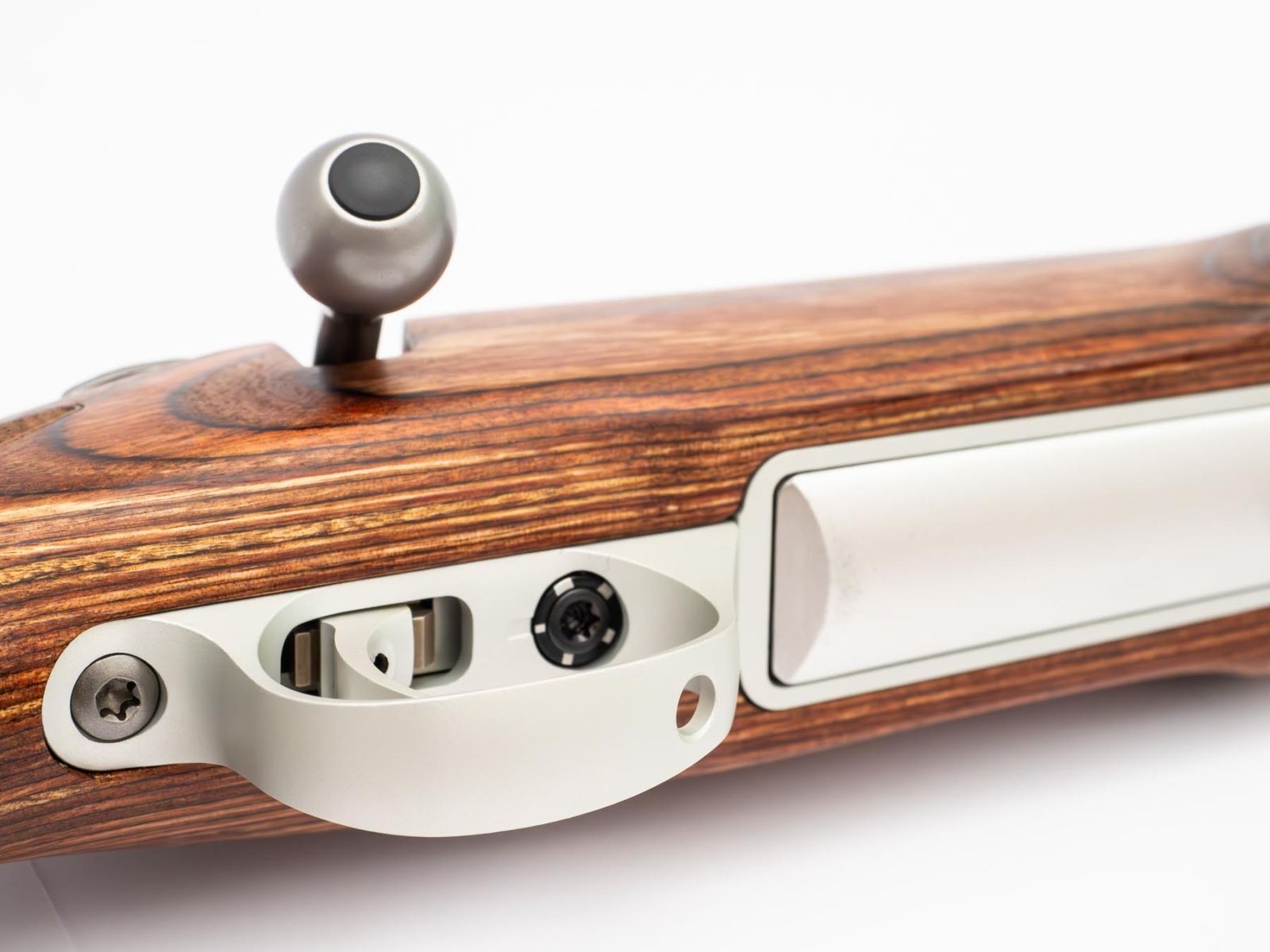
The trigger has a nice, wide aluminium blade on it that I came to really like. There is a new screw in the front of the trigger and access hole in the trigger guard that allows the pull weight to be adjusted without disassembling the rifle. There are five settings available, advertised as being from 900 to 1900 grams. The rifle I tested pulled an average of 700 grams on the lightest setting and 1600 grams on the heaviest setting. I kept it at the lightest setting for my testing and found it to be perfect for all field and target use.
You also have the ability to slide the trigger blade forward or backwards with roughly 7mm of adjustment, which enables you to really fine-tune the position of your shooting hand and compensate a bit with the length of pull if you choose.
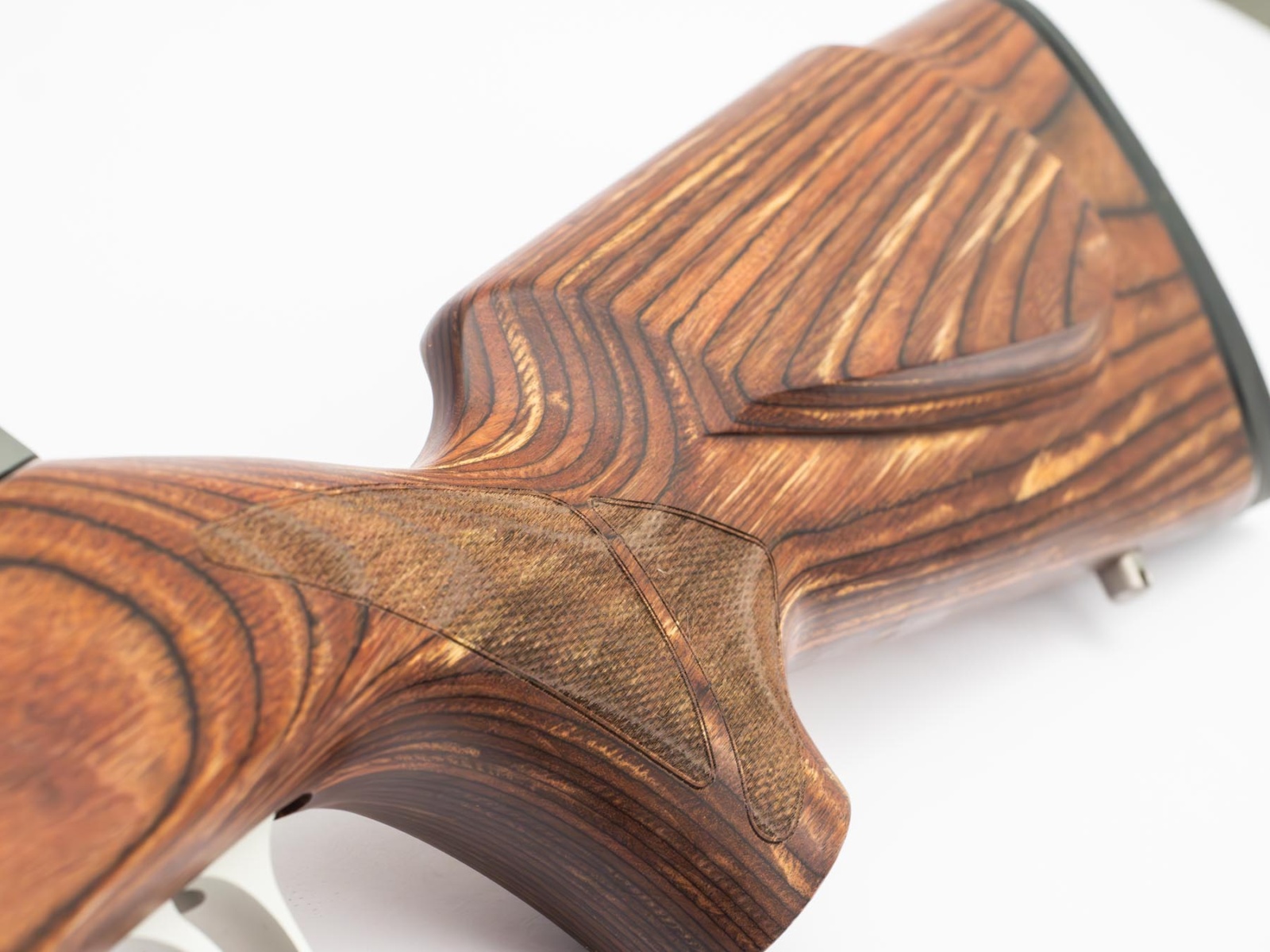
The stock is laminated birch, and I think it may be a little bit darker than previous offerings. The lines are clean and it feels great in the hand, as well as stable off the bench. There is a raised cheek piece to bring your eye to the level of a scope quickly. The wider fore-end and slightly vertical pistol grip make shooting from prone optimal.
It has sling-swivel studs to give you the option of carrying around if that’s what you want to do with it, but I only used the front one to attach a bipod for my tests and hunting.
The etching on the bottom of the grip looks very smart, and the texture on the grip and fore-end let you get a good hold on it. The .308 cartridge is no heavyweight and in a rifle like this it was always going to be comfortable to shoot, but the rubber butt pad does work well. The bare rifle is 4kg on the nose, and with my bipod, scope and ammo, it was close to 5.5kg, so I was expecting it to be pleasant to shoot, which it was.
The recoil lug is as we’ve seen on Sako 85 models. It is a plate which has a slot at the rear, into which a lug on the bottom of the action fits; and up front, it has its own lug that extends down into a slot in the stock. This system ensures there’s a lot of meat in the stock between recoil lug and magazine well, for extra strength. In addition, the plate improves the integrity of the bedding by providing a greater bearing surface between the receiver and the stock.
My first opportunity to put the rifle to work was in the field. After getting it on paper at 100 metres with the Sako 150gn Gamehead factory loads I shot a three-shot group of just under 18mm (roughly .64in at 100yd), using a Magpul bipod and Alpine Accuracy lightweight rear bag. Potential like that makes me want to go hunting!
After grabbing the velocity data from my Garmin Xero C1 chronograph I quickly worked out my elevation adjustments to get out to 400 metres, made a couple of shots to confirm, and decided to hit the hills. Who’d want to hit the hills with such a heavy rifle? Well, me, but I did plan on finding some good spots to sit and wait rather than drag the rifle around on one of my usual death marches.
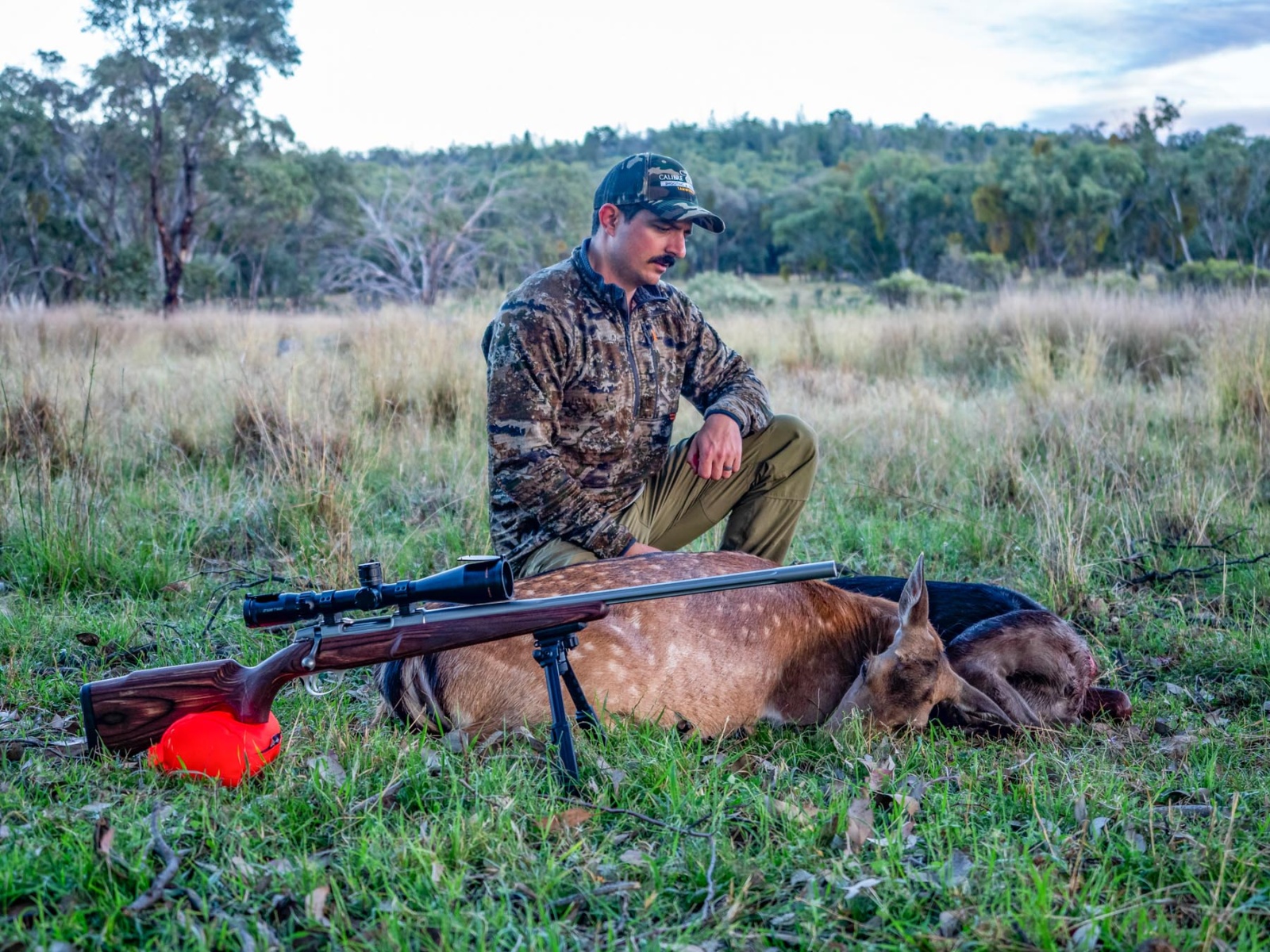
My first critter down with the rifle was a mature billy goat at 15 metres, while walking a creek line on last light with my mate who was chasing the goats with his bow. This certainly wasn’t the ideal hunting situation for this rifle, but despite its heft, it swung and pointed well. The ZeroTech 3-18x50mm scope is about the size of optic you’d expect to see on a rifle like this but there is enough weight in the stock to keep everything balanced, despite a big objective lens and the weight in the barrel.
The following morning I walked up to a small rise where I was confident I’d see deer out on some flats. Once I’d located a couple I waited until there was enough light that I could be confident in my shots and I got two from roughly 200 metres without issue, again using the bipod and rear bag. It was very simple hunting and well within the expected capability of the rifle, but it was the first time in ages I’d laid down and made some nicely controlled shots. Having the rifle zeroed at 100 metres is new for me, too, as I’d normally sight a little high to give myself a further maximum point blank range. With this being my first crack at this style of shooting, I still wound the scope between shots to not only prove the concept, but get a feel for the ergonomics of the stock as I moved behind it on the ground. It was a breeze.
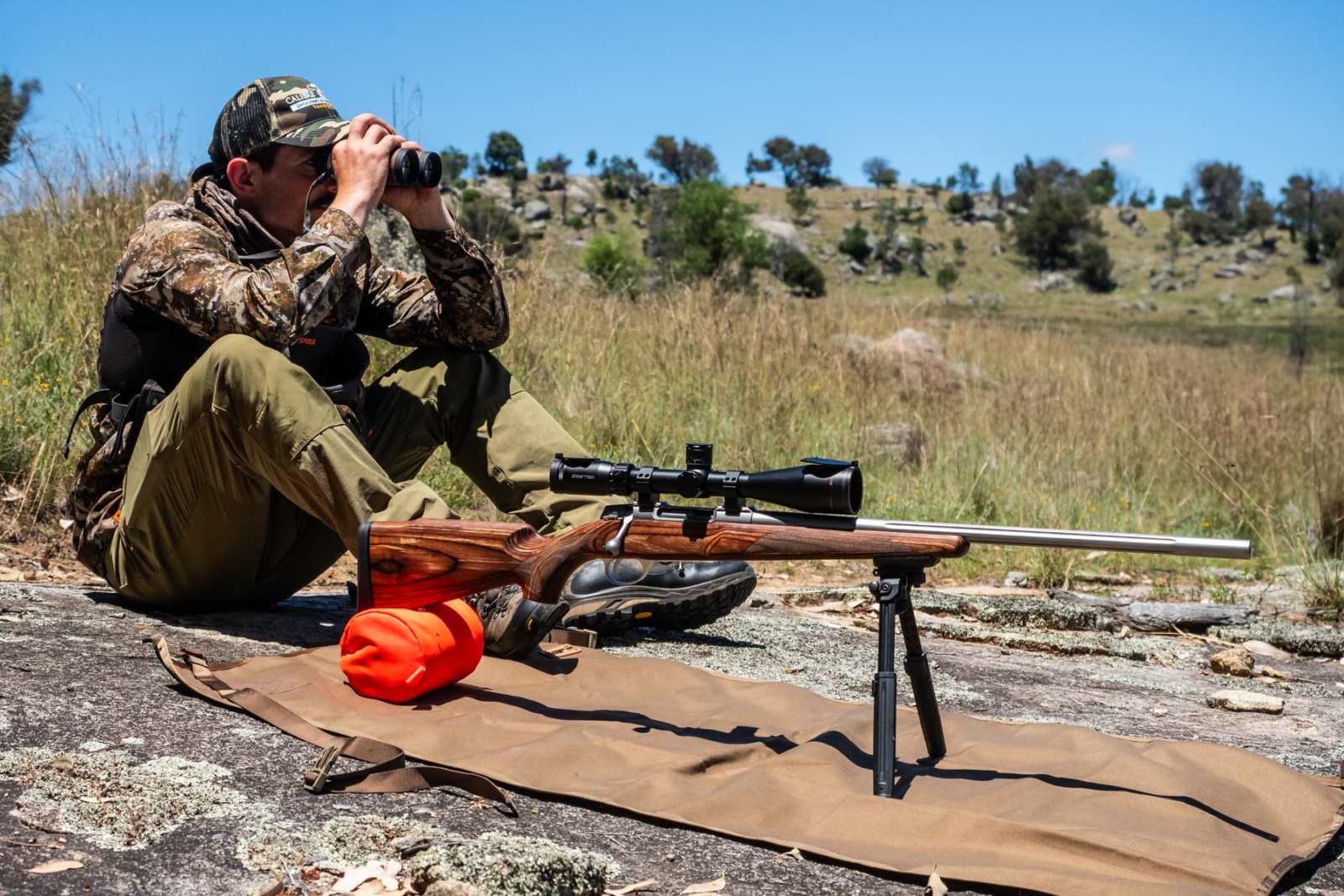
Later that day I found a good spot in some shade to sit over a dam and hopefully get some goats coming to water in the heat. This was very much the type of hunting I could see this rifle being used for, as the combination of accuracy and stability allows you to make confident shots out to medium ranges, and further if you are capable. Of course, carrying a heavy rig such as this can be done if you desire, but there are far more comfortable choices out there.
Over the course of the day I shot plenty of goats out to around the 300-metre mark and I felt assured in all of my trigger pulls that this rifle was more than capable of that style of shooting. Sako boasts that the 90 VLS has an exceptionally fast lock time of less than 1.3 milliseconds, and that its trigger built to very high tolerances and with great precision. It certainly gives that impression, with no creep and superb crispness.
I also shot some goats using the bonnet of my LandCruiser as the rest. I’ve spent many hours shooting animals from a vehicle with Sako 75 Varmints and there is no reason to believe the new 90 would perform any less admirably.
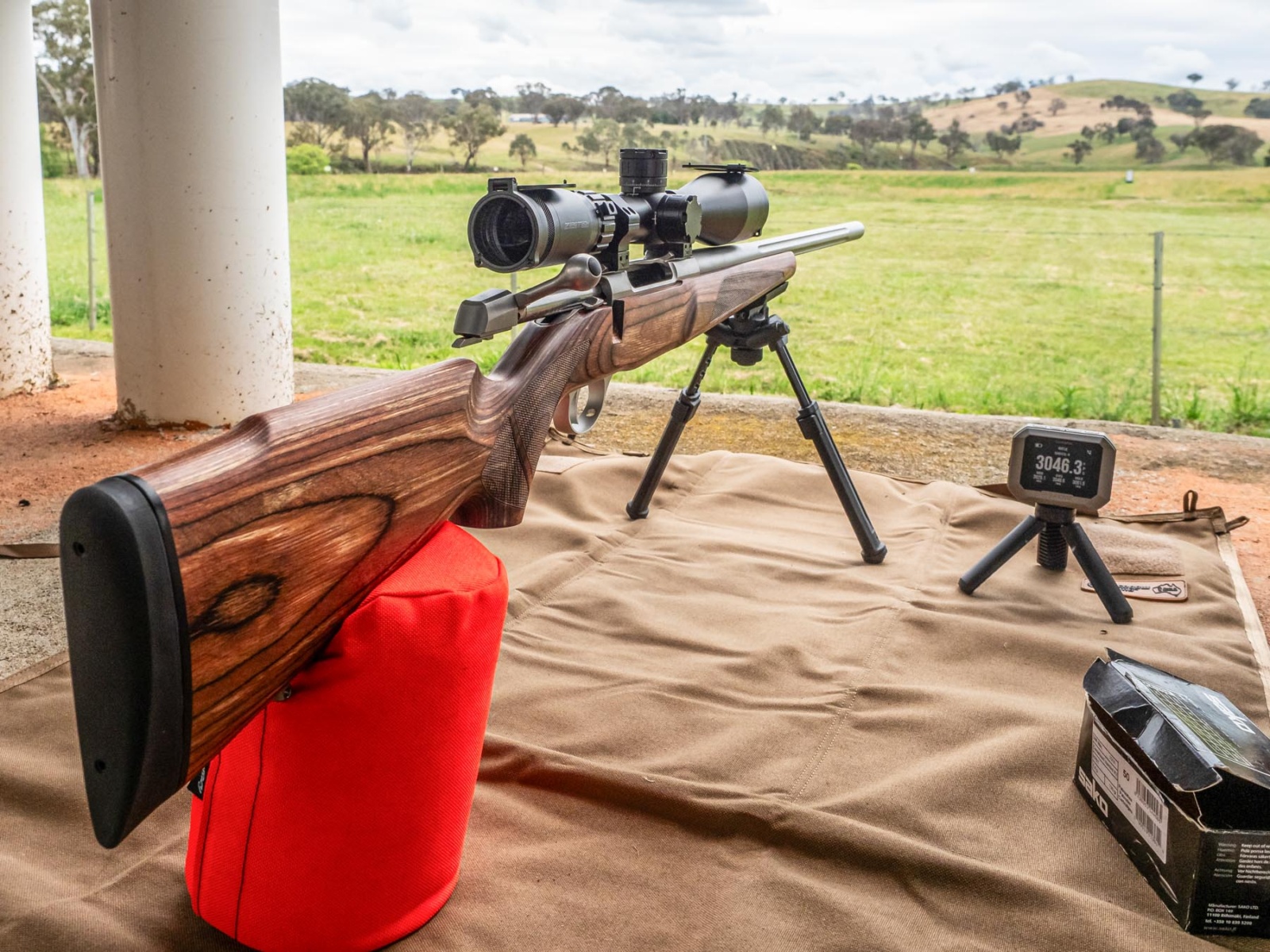
The following weekend I was able to take the Sako to a range and really get a feel for what sort of accuracy a shooter might hope to get from it. The guys at Calibre Country in Tamworth sorted me out with a variety of factory ammunition and the rifle proved to shoot everything very well. Everything averaged sub-MOA with five-shot groups. (The Deer Season in the accuracy table was actually 0.96 MOA, just under the 1.0 we’ve rounded it to.)
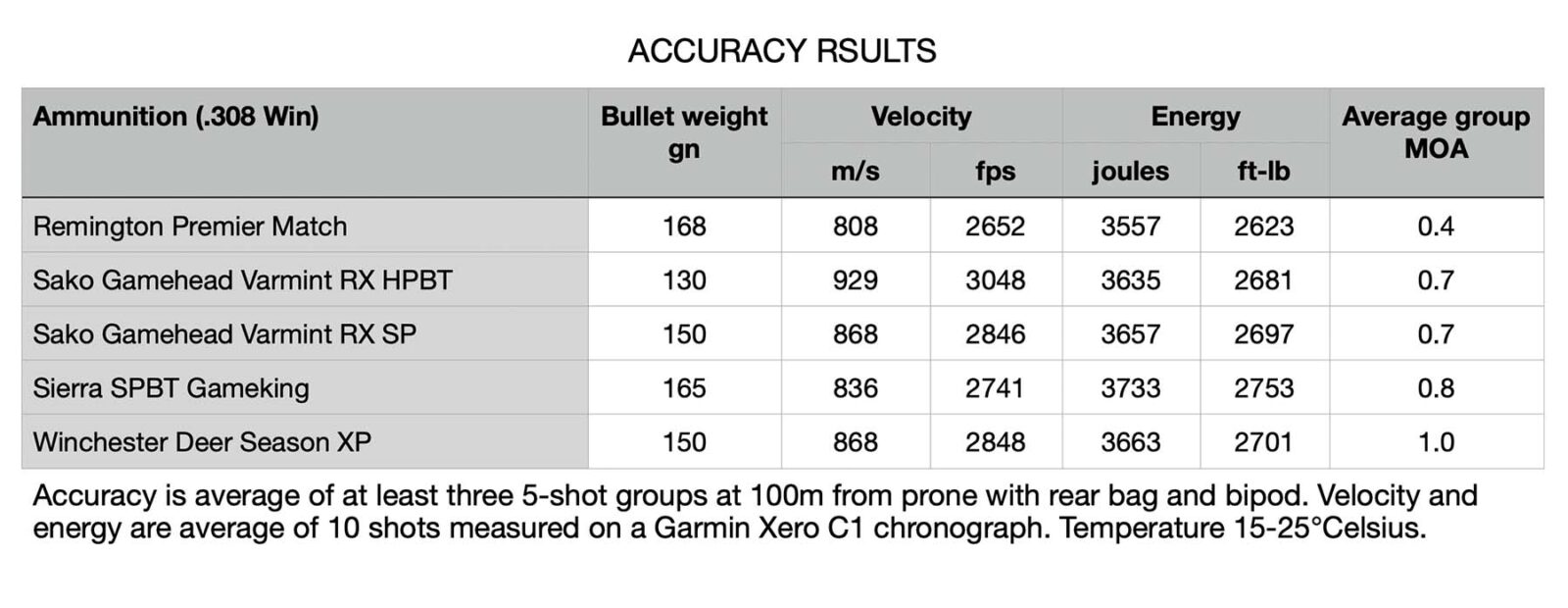
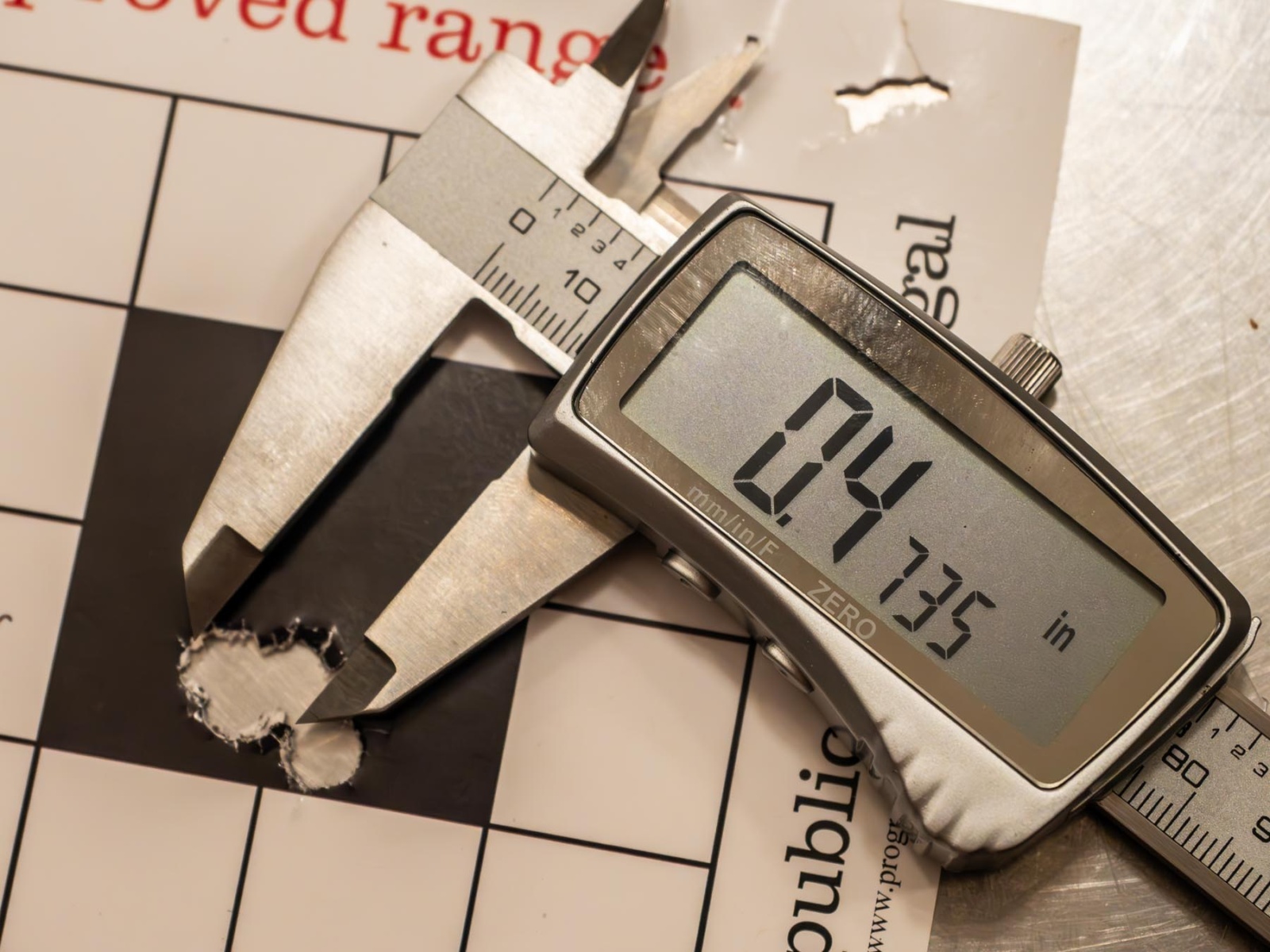
Both Sako loads performed about the same and I believe they are what Sako uses to test the accuracy in its rifles, so there are no surprises there. The obvious standout was the Remington Premier Match 168gn BTHP, which averaged an honest half MOA with five-shot groups at 100 metres. For the sake of confirming some of my scope marks I tested in the field I also shot the 150gn Sako ammo at 300 metres and the three-shot group went 65mm (2.5 inches). I was blown away by the ease which which I could shoot sub-MOA groups and I got a sense that I was only scratching the surface. Honestly, I didn’t expect anything less.
Many rifles these days bridge the gap between target work and long-range hunting. The Sako 90 VLS is more of a classic varmint rifle that we’ve all come to be familiar with and appreciate. As a rig to sit with while whistling foxes and dispatching small game, it would be hard to find one better. It would also work well on pigs, either sitting over crops or swinging from a vehicle.
I got a great deal of enjoyment out of shooting animals at medium-range distances with this rifle, and it was no slouch on paper at the range either.
Of course, if you want a nice Sako you’re going to pay top dollar for it, but this rifle is definitely worth the big price tag. It’s of heirloom quality that will give many years of service.
SPECIFICATIONS
- Manufacturer: Sako, Finland
- Action: Bolt
- Calibre: .222, .223, .22-250, .243, 6.5 CM, 7mm-08, .308 (tested)
- Barrel: 60cm varmint profile, fluted, 1:11 twist
- Finish: Stainless
- Stock: Laminated birch, varmint profile
- Magazine: Detachable
- Safety: 2 position with extra bolt unlock
- Trigger: Single stage
- Sights: None; received profiled for scope mounts
- Length of pull: 35cm (13.7in)
- Weight: 4kg
- RRP: $3599 to $4199
- Distributor: Beretta Australia


0 Comments