


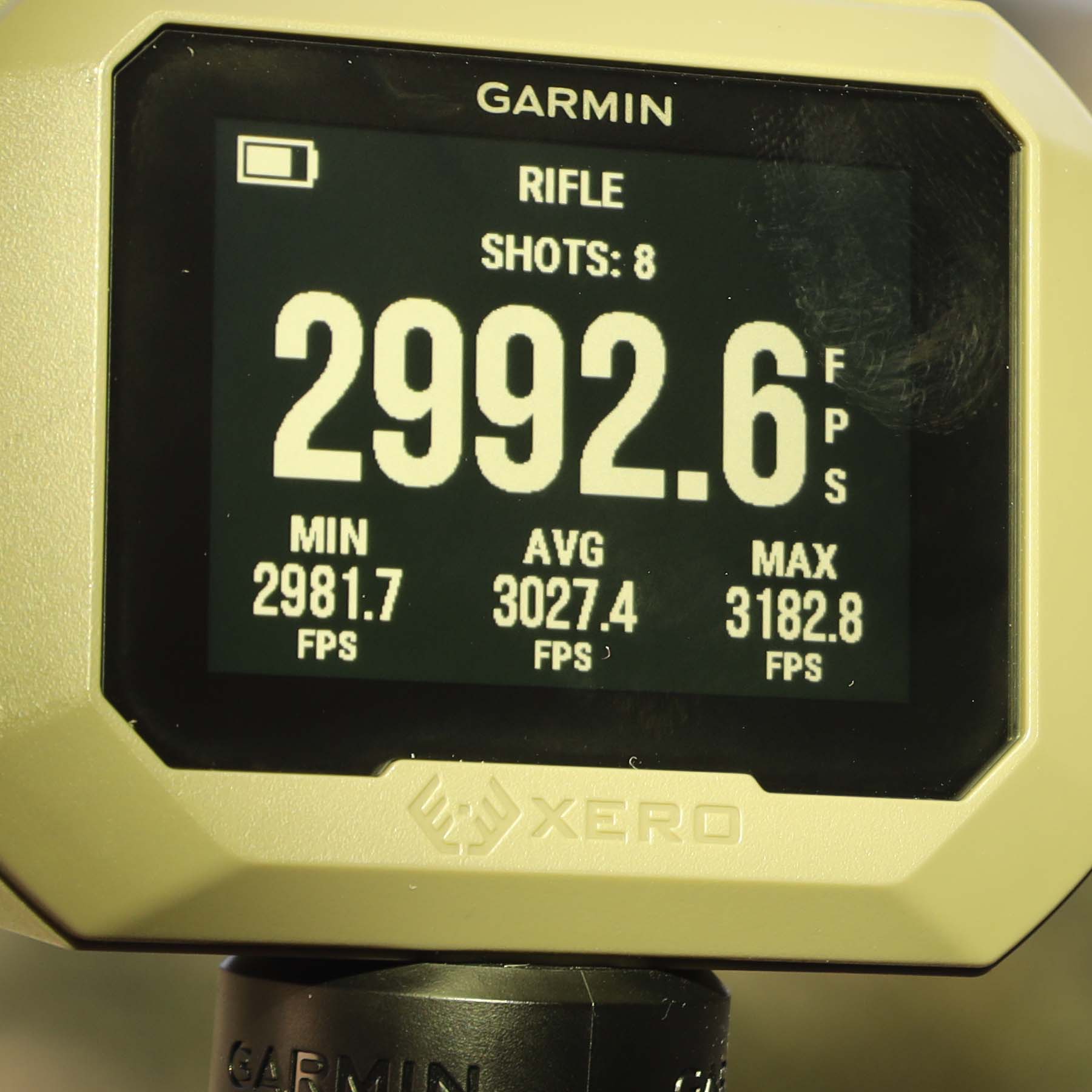
Q: There are several things in the field of ballistics that I find puzzling. Maybe you can enlighten me? They are:
- Why are there variations in velocity even between guns of the same make, model and calibre?
- Why is there so much difference between the data in reloading manuals?
- Why does the velocity of factory ammo with the same weight bullets differ?
Desmond Hancock
A: There are several reasons for differences between ballistic tables and the performance of similar cartridges and loads.
First: powders vary from lot to lot and the moisture content and temperature can vary too. Also, the position of the powder in a large capacity case can be different.
Second: Bullets come in numerous styles and shapes, materials, jacket types and thickness, and amounts of bearing surface, so there has to be variation. Seating depth, too, can affect velocity, sometimes by as much as 30m/s (100fps).
Third: Primers differ from one manufacturer to another and can vary from lot to lot. primer seating depth may be slightly different as well as the firing pin’s impact being lighter or heavier.
Fourth: Barrels can have a major effect upon velocity. Not only their condition and cleanliness, but rifling, overall length, throat length, angle, bore size and many other factors can bring changes in velocity.
Finally: Case condition and capacity, loading density and bulk density, whether or not the charge is compressed, and the ambient temperature — all have an effect on the velocity.


0 Comments