




Ignorant legislation introduced to NSW Parliament by Labor Premier Chris Minns in the aftermath of the Bondi terrorist attack will essentially ban all firearms with a magazine capacity over 10 rounds in the state, along with effectively banning all pump-action firearms (including those in .22 LR), straight-pull firearms (even historic designs), and button or lever-release guns by moving them to Category C, well out of reach of the overwhelming majority of shooters — including hunters and target shooters.
This article covers some of the historic firearms which are likely to be affected by the laws proposed by NSW Parliament and, at time of writing, likely to pass – although whether they end up being implemented in their present form, perhaps due to legal challenges or the like, is another matter and not something anyone can predict at present.
This is not, and cannot be, an exhaustive list, but it identifies the major historic firearms produced from 1901 to the mid-late 20th Century for which ammunition is still available, and which will be essentially banned under NSW’s proposed laws. It’s also worth keeping in mind that modern reproductions of these rifles, if they retain the same action or magazine capacity, will also be affected.
At this stage it appears firearms held on collector’s licences are not subject to magazine or action restrictions, but obtaining a collector’s licence in NSW is quite a bit of work, with significantly increased secure storage requirements that simply may not be possible for many shooters to meet.
STRAIGHT-PULL RIFLES
K-31
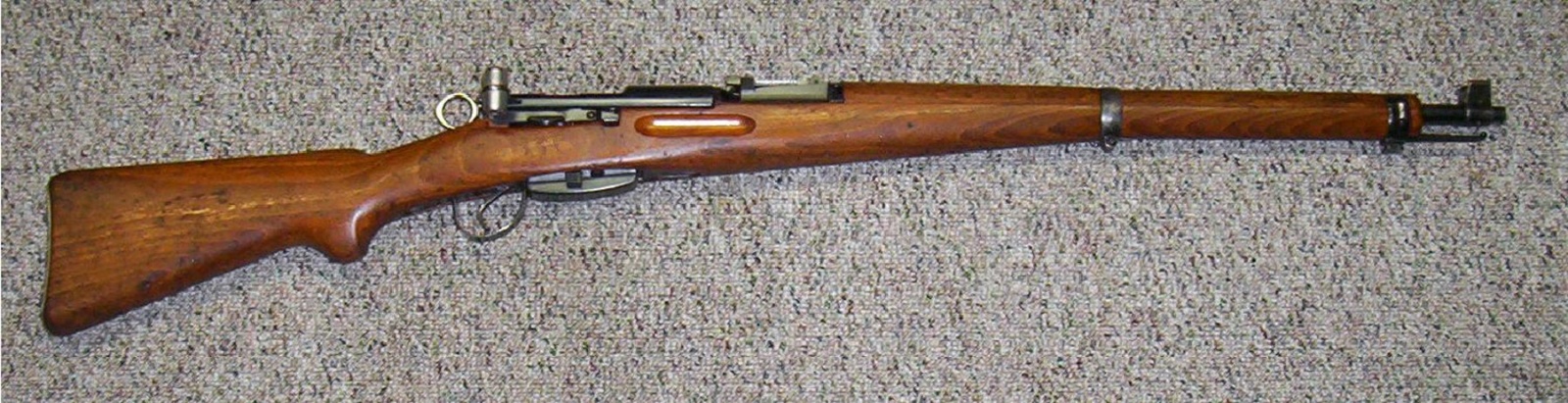
The Swiss K-31 is probably the most common straight-pull centrefire rifle in Australia, and has been a favourite of service rifle shooters and hunters who use vintage rifles for many years.
Chambered in 7.5×55 Swiss with a six-round magazine, these rifles were adopted by the Swiss military in 1931 and are essentially an updated version of the 1880s and 1890s vintage Schmidt-Rubin rifles which were Switzerland’s standard service rifles.
The rifles are extremely accurate and reliable. Large numbers have been imported from Switzerland since the late 2000s and every one of them in NSW is at risk of being banned for regular shooters should the new laws be implemented.
Schmidt-Rubin rifles
These Swiss straight-pull rifles are the forerunners to the K-31, with the most common in Australia being the K-11 (chambered in 7.5×55 Swiss) which was first introduced in 1911; and the Schmidt-Rubin 1896, which was later upgraded in 1911 when the K-11 was introduced.
Like the K-31 they have a following among service rifle shooters, all of whom are going to be prevented from owning the rifles on regular shooter’s licences if NSW’s laws pass.
Ross Rifle
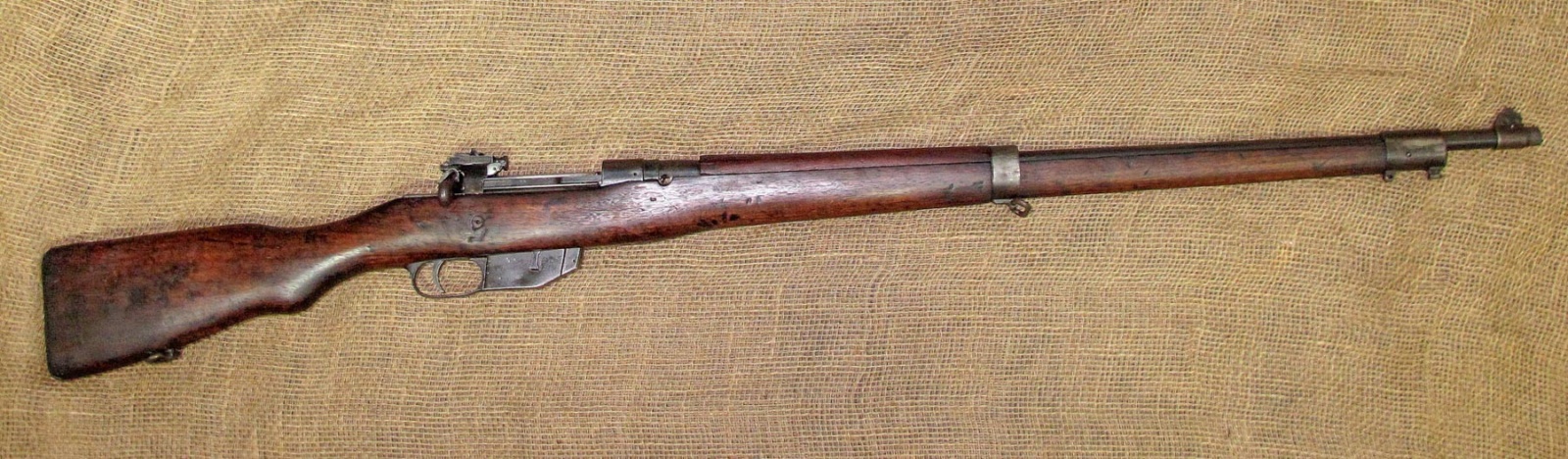
The Ross Rifle Mk III was the standard Canadian infantry rifle during WWI, and is probably the best-known historic straight-pull rifle design. Developed in the early 1900s as a sporting rifle firing a proprietary .280 Ross round, the Ross Mk III fires the standard .303 British cartridge from a five-round magazine and is renowned for its accuracy under range conditions.
Ross Rifles are very uncommon and highly sought after by service rifle shooters in Australia on the rare occasions they are available on the market – which is likely to be even more rarely if the laws in NSW pass.
Steyr-Mannlicher Model 1895 and Model 95/30
The Steyr-Mannlicher Model 1895 is a straight-pull design that was the standard service rifle of the Austro-Hungarian Empire during WWI and remained in use with Austria until the end of WWII. It fires either a 8x50mm Mannlicher, 8x56mm Mannlicher, or 7.92x57mm Mauser cartridges depending on which model it is, loaded via five-round en-bloc clips.
The design is the most widely produced straight-pull rifle in history – more than 3.5 million were made – and there are a few in Australia, but neither 8x50mm Mannlicher or 8x56mm Mannlicher ammunition is commercially available here, meaning service rifle shooters (and anyone else who wants to fire one) need to make their own ammo – which may not be a concern for those in NSW much longer, if the laws being proposed are enacted.
PUMP-ACTION RIFLES
Colt Lightning
The Colt Lighting was the first commercially successful pump-action rifle, and was introduced by Colt in 1884 and made for about 20 years. Most of the rifles produced were chambered in .32-20 or .44-40, although .22 LR versions were also made. Despite being more than 120 years old, these rifles are (alongside all over pump-action rifles) set to be moved to Category C and effectively banned for regular shooters in NSW under the laws proposed.
Winchester Model 1890/1906/Model 62
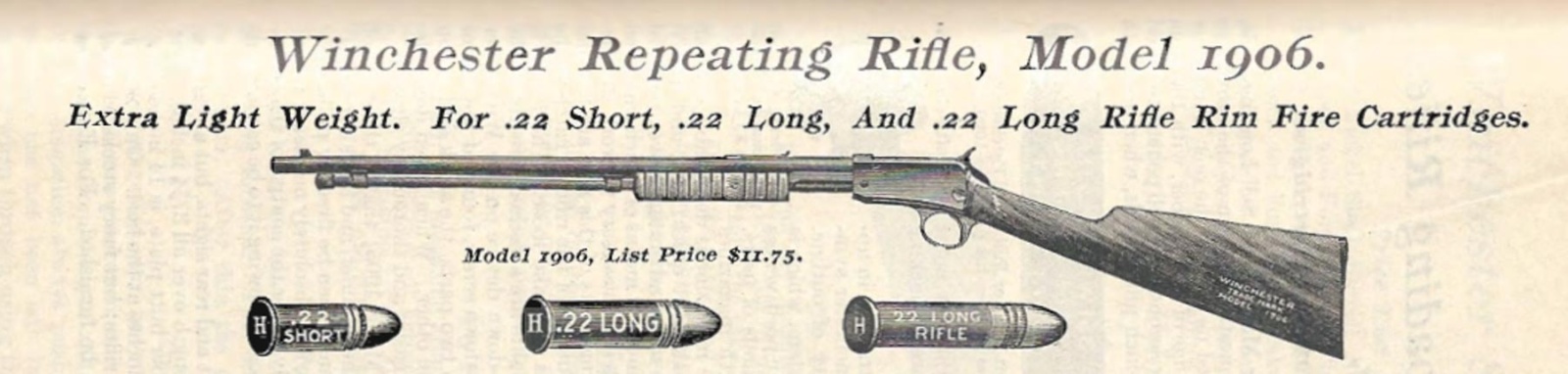
There are countless Winchester Model 1890/1906/Model 62 pump-action .22 rifles in Australia. They are all essentially the same gun; the name was changed over its production span as small developments were made. They have a distinctive design where the entire top of the action opens (somewhat like on a traditional Winchester lever-action rifle design) to eject the spent cartridge while the new round is fed into the action from a tube magazine.
Despite being extremely popular as bunny rifles, gallery guns and for general recreational shooting in Australia, their pump-action operation means they will be banned under NSW’s proposed laws.
Browning Trombone
There are a few Browning Trombone pump-action .22 LR rifles in Australia, and as its name suggests it was developed by John Moses Browning and manufactured by FN Browning from 1922-1974 or so. It holds 10 (in some cases 11) rounds in a tube magazine under the barrel and unlike the Winchester Model 1906 etc, has an internal hammer.
While not as accurate as some other rifles, and having a particularly stiff trigger, they are still effective bunny rifles – but will not be an option for NSW shooters if the laws pass.
Remington Model 12/121/Remington 572 Fieldmaster
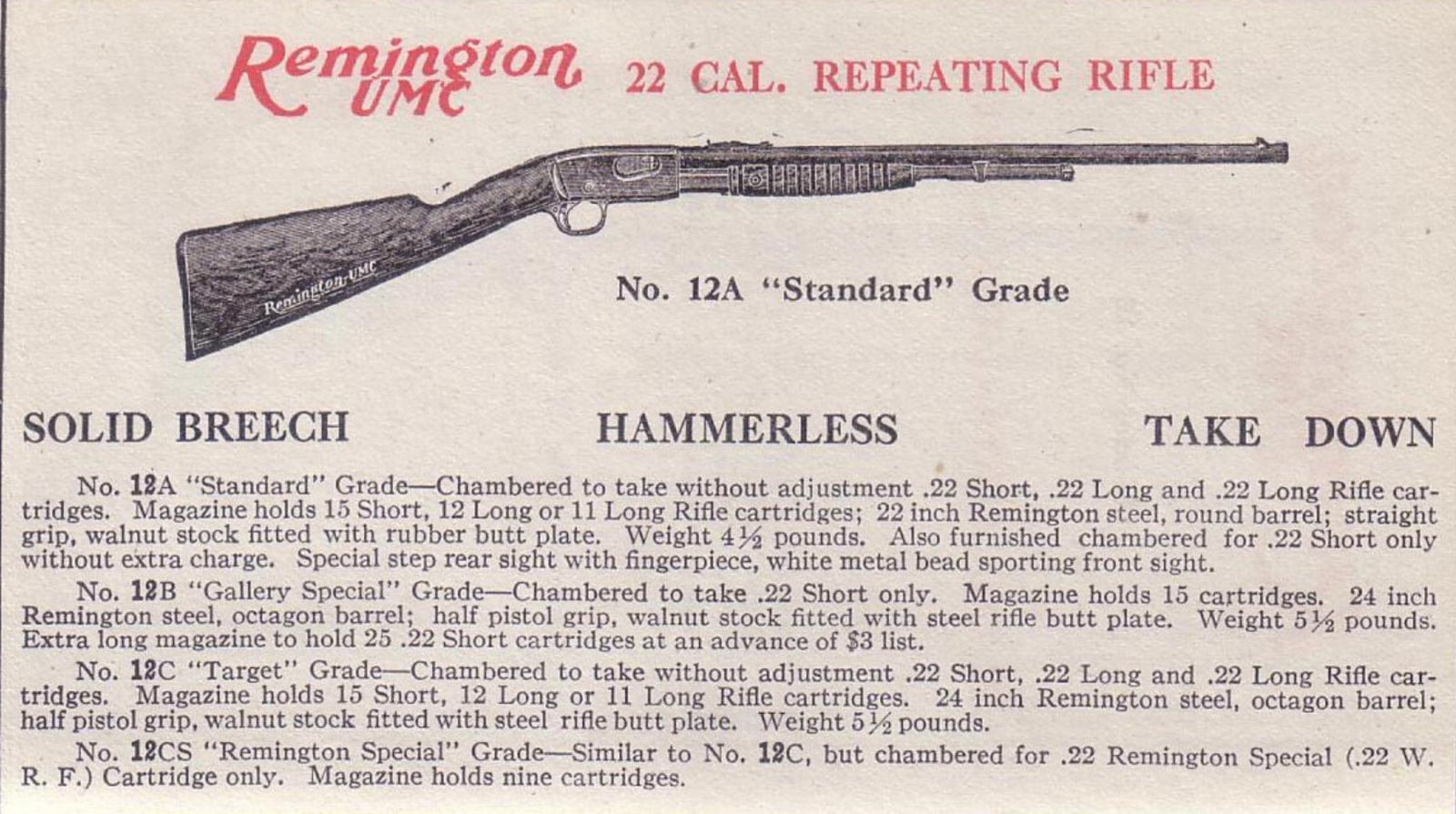
The Remington Model 12 was a pump-action .22 LR rifle introduced in 1909 and produced (with modifications) until 1954, before being redesigned again and continuing in production until 2005 as the Remington 572 Fieldmaster.
They are accurate and reliable guns, and being popular bunny, small game and plinking rifles, there are a lot of them in Australia — but they will no longer be available to most shooters in NSW should the proposed laws be enacted.
Remington Model 14/Model 760
These centrefire pump-action rifles were introduced by Remington and produced initially from 1912 to 1950 in a number of cartridges, notably .38-40 and .44-40. The rifle was redesigned in 1952 to create the Model 760, which was chambered in more effective hunting cartridges including .223 Remington, .243 Winchester and .30-06, as well as feeding from a box magazine rather than a tube.
This design was produced until 1982 before being replaced with the Model 7600 series, which is still in production today – although none of the assorted Remington pump-action rifles (regardless of vintage or calibre) will be available for regular NSW shooters should the planned laws come into effect in their current form.
IMI Timberwolf
The IMI Timberwolf is one of the very few pump-action rifles produced in “modern” revolver cartridges, and was made by Israeli Military Industries in the 1980s. They were chambered for .357 Magnum and .44 Magnum, with a 10-round magazine. While extremely desirable, they were only imported into Australia in small numbers and are extremely valuable collectible firearms nowadays – with their already small numbers likely to shrink further thanks to proposed NSW firearms laws.
Sportco Model 90/93
The Sportco Model 90 and Model 93 were Australian-made pump-action .22 LR rifles which were unusual in that they fed from a detachable box magazine rather than a tube under the barrel.
Produced in the 1960s and 1970s, they are still very effective hunting rifles today, and a unique piece of Australian firearms history which is now threatened thanks to the planned NSW law changes.
MAGAZINE OVER 10 ROUNDS
BSA Sportsman 15
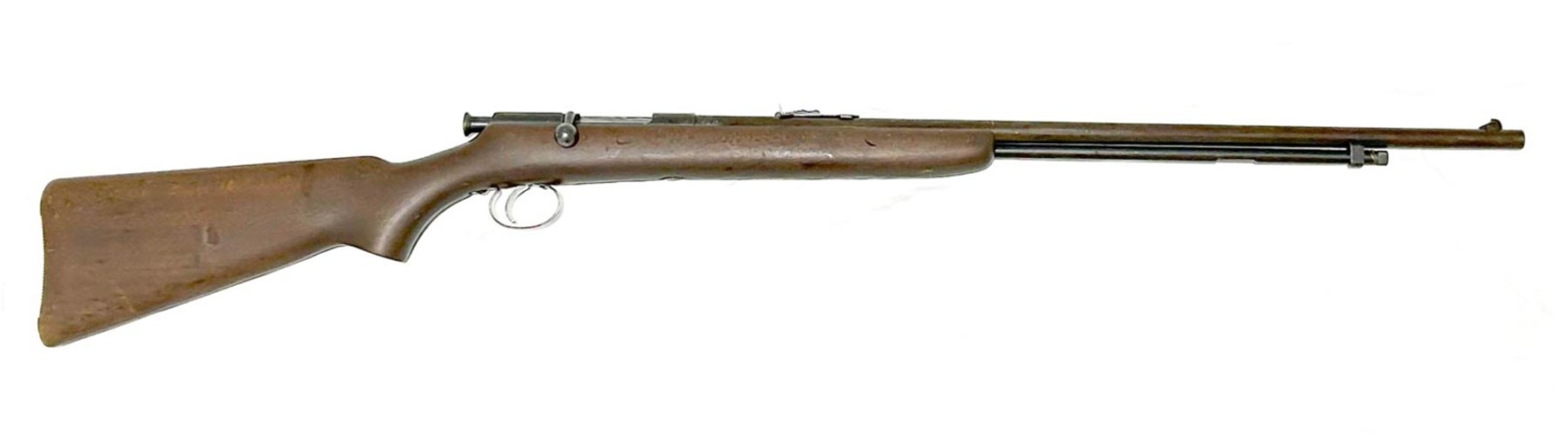
BSA’s most successful sporting rifle was the BSA Sportsman 15, a bolt-action .22 LR design fed from a 15-round tube magazine and produced between 1950 and 1955. The rifles are extremely popular in Australia and still commonly encountered more than 70 years after production ended, although that is likely to change in NSW if the proposed bans become law.
Erma Werke EG-71
These West German .22 LR lever-action rifles were introduced in 1976 and designed to externally resemble the .30-30 Winchester Model 1894. They were popular, cheap rifles, with several making their way to Australia. As with many tube-fed .22 LR rifles, they have a 15 round magazine, essentially banning them for most NSW shooters under the planned laws.
Marlin 39A
The .22 LR Marlin 39A lever-action rifle holds the record for longest continuously produced firearm, with the first models appearing in 1891 and regular production continuing until 2020. The rifles are famously accurate – Annie Oakley once put an entire tube worth of .22 rounds into a ragged-hole group at 11m – and are widely considered the best lever-action rimfire rifles ever made. Unfortunately for Marlin 39A owners, the guns have a 19-round magazine, meaning they will be on the verboten list if NSW’s laws are implemented in their current form.
Sportco Model 15
The Australian-made Sportco Model 15 .22 LR rifle was very similar to the BSA Sportsman 15, and filled a similar role. Although not as popular as the BSA, and rarely encountered nowadays, they are still an important part of Australian firearms history, but facing the crusher thanks to NSW’s ill-informed laws.
Winchester 9422
These .22 LR rifles were introduced in the 1970s and were Winchester’s rimfire version of the iconic Model 94 lever-action rifle. The rifles were extremely well made and highly regarded until production ended in 2005 – but unfortunately, the 15-round magazine capacity of the rifle means it will be banned under the new laws NSW intends to bring in.
Winchester Model 72
This .22 LR tube-fed bolt-action rifle was produced by Winchester from 1938-1959 and was similar in most respects to the BSA Sportsman 15 and other bolt-action tube-magazine .22 LR rifles of the era. While not commonly encountered in Australia (where the BSA and Sportco equivalents are more numerous), its 15-round magazine means it is on the banned list if NSW implements its new laws.
Winchester Model 1873 and Winchester Model 1892 Musket and Sporting Rifles
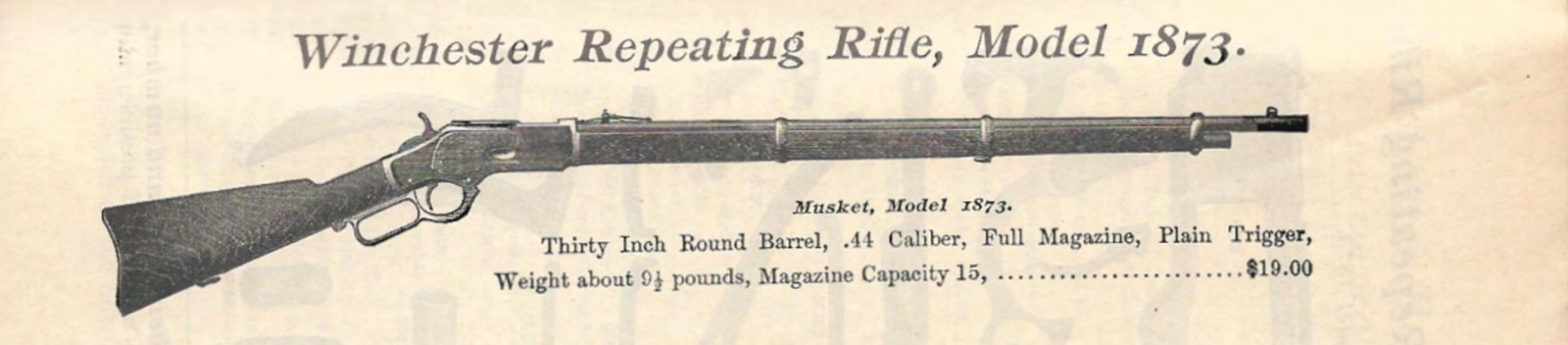
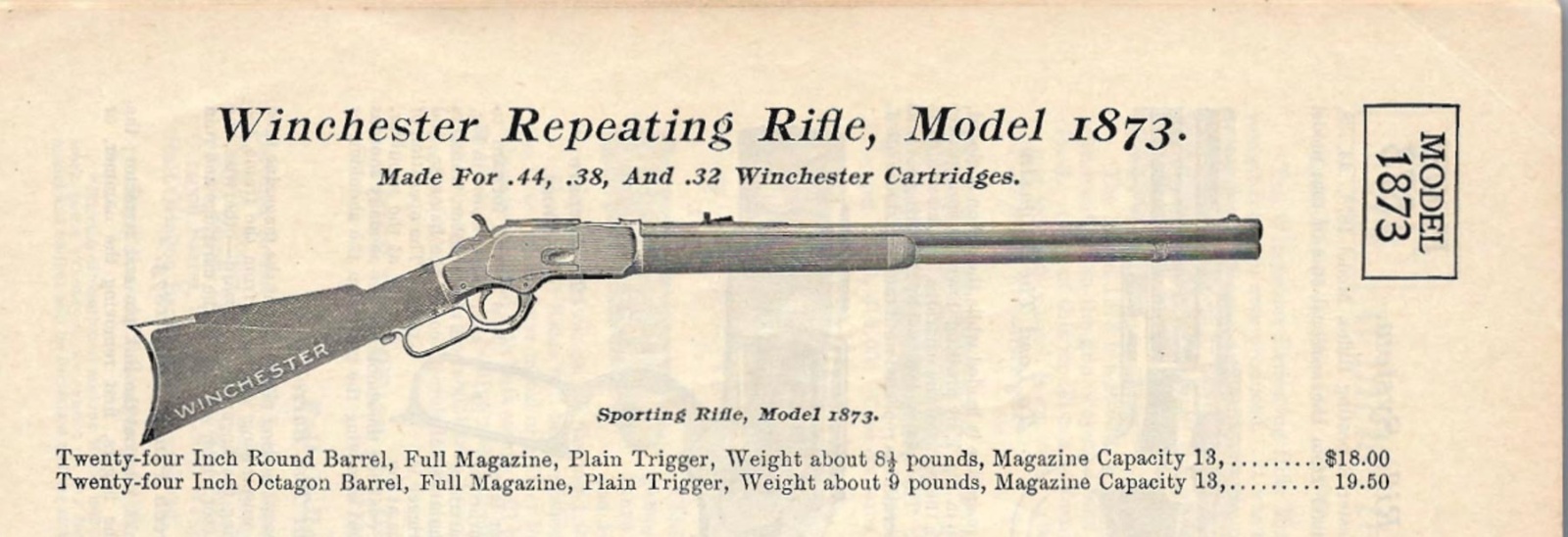
While these iconic rifles are generally encountered in a carbine configuration with a magazine capacity below 10 rounds, there were a number of “Musket” and “Sporting Rifle” configurations made in the 19th and early 20th Centuries with long barrels and magazines to match, including a Musket configuration intended for military export, which had full woodwork similar to that of other military rifles of the time. As these rifles hold more than 10 rounds, under NSW’s laws, they will be prohibited for hunting and target shooting use; although the carbine versions (with magazines holding 10 or fewer rounds) will remain legal.


0 Comments