


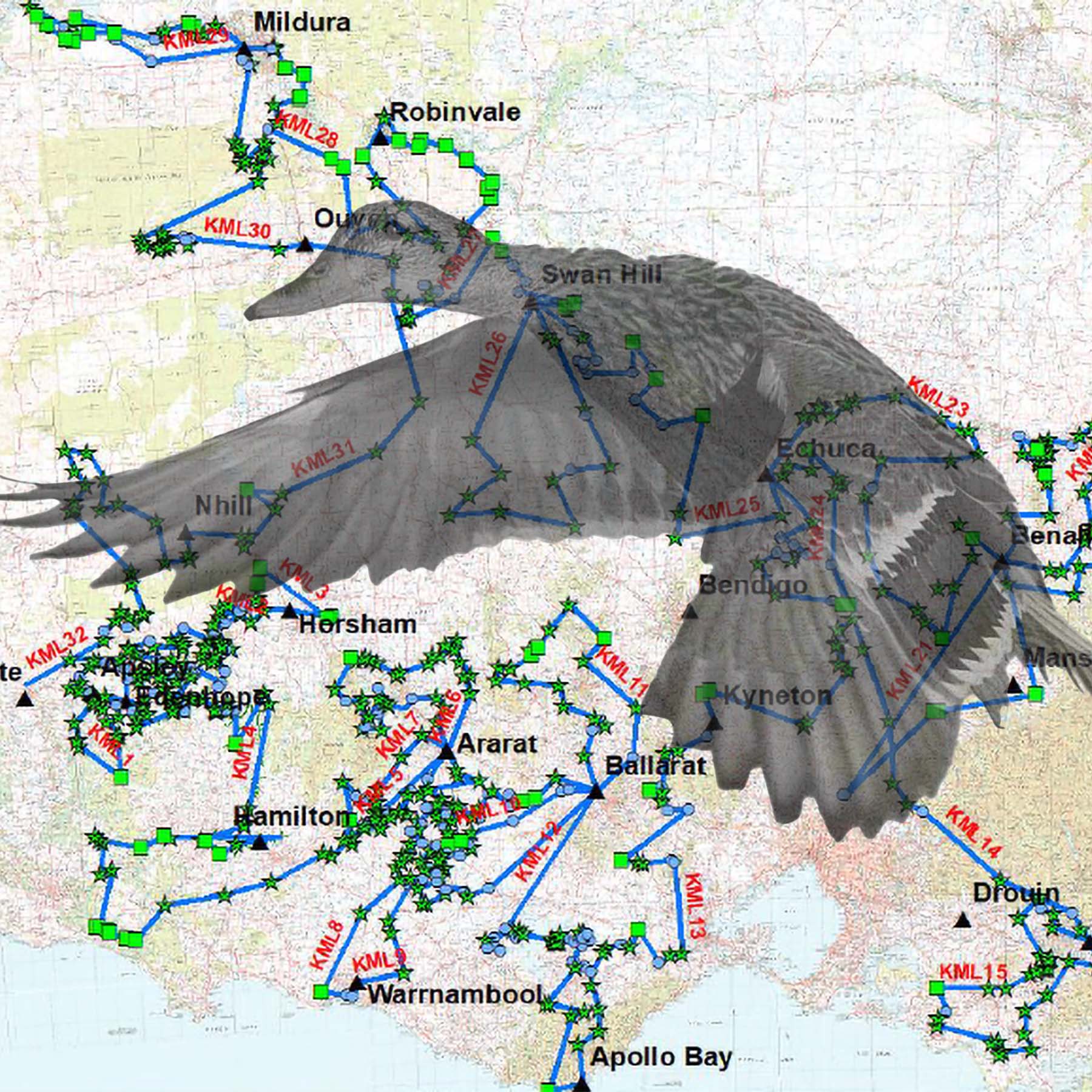
The Game Management Authority of Victoria (GMA) will be conducting its annual waterfowl population surveys across the state from later this month.
The surveys, conducted via a combination of helicopter observation and ground observation, will take place between Thursday, 21 October and Friday, 8 November.
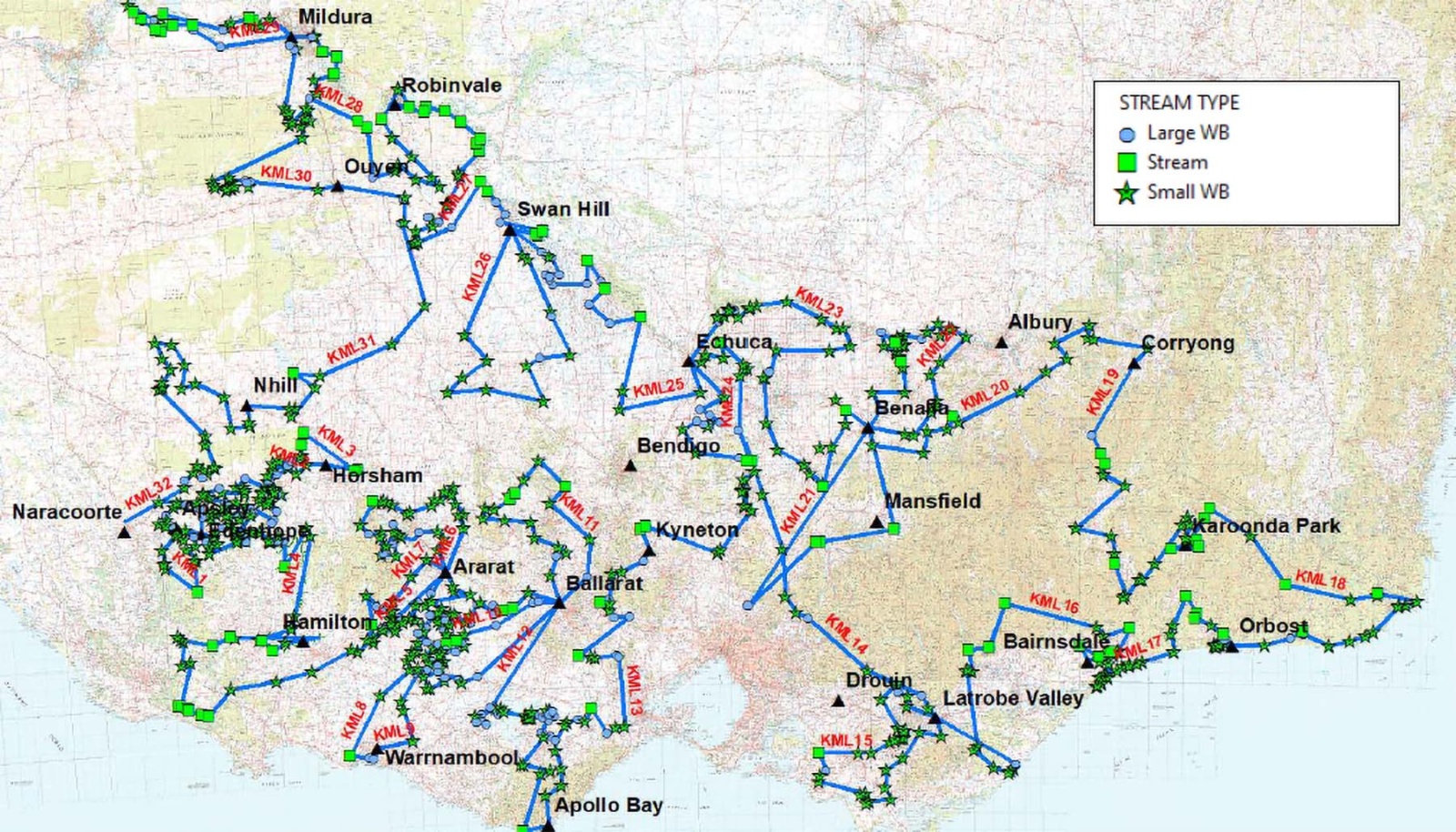
GMA has said its wildlife biologists will be surveying more than 850 sites across the state, including wetlands, lakes, rivers and farm dams, as part of its scientifically rigorous monitoring of waterfowl numbers, which help inform bag limits and season lengths for the state’s duck hunting season.
According to the GMA, helicopters approach water bodies between 30-50m in the air at a speed of 75-90km/h, with the aim of flushing ducks airborne so the individual species can be identified via differences in size, plumage and flight patterns.
“The survey method uses a ‘double-observer’ system where two experienced counters simultaneously observe and record (on a specialised keypad) the number of individuals and each species of game ducks sighted at each waterbody,” the authority’s FAQ on the subject said.
The GMA has also said that in areas where helicopters are not feasible — due to sensitive livestock, powerlines, buildings or other issues — counts are taken by a team of observers on the ground instead.
Satellite imagery is also used to help understand water levels in game duck habitats, which would further assist in estimating waterfowl populations in Victoria.
Given farmers are understandably concerned about strange helicopters flying low over their properties and potentially startling livestock, the GMA has moved to reassure landowners that the helicopters will only be flown over farm dams “for a very short time and for no longer than is necessary”.
“It will take no longer than a minute or two to survey a typical-sized farm dam. The survey team will only record data on the number of ducks and the species present and wetland characteristics, such as how full the dam is and whether any vegetation is present.
“No other information is recorded when flying over the property.”
GMA research principal Dr Jason Flesch said regularly collecting data was critical to understanding what drove the “abundance and productivity” of game duck populations.
“Results from this survey will help to accurately estimate total game duck abundance, based on the environmental conditions at the time,” he said.
“This research is the most comprehensive survey of game ducks undertaken in Victoria. It benefits wildlife conservation by increasing our understanding of the ecology of Victoria’s game duck populations and the health of their habitats.”
For more information on the aerial duck survey program, visit: https://www.gma.vic.gov.au/research/duck-research.


0 Comments