


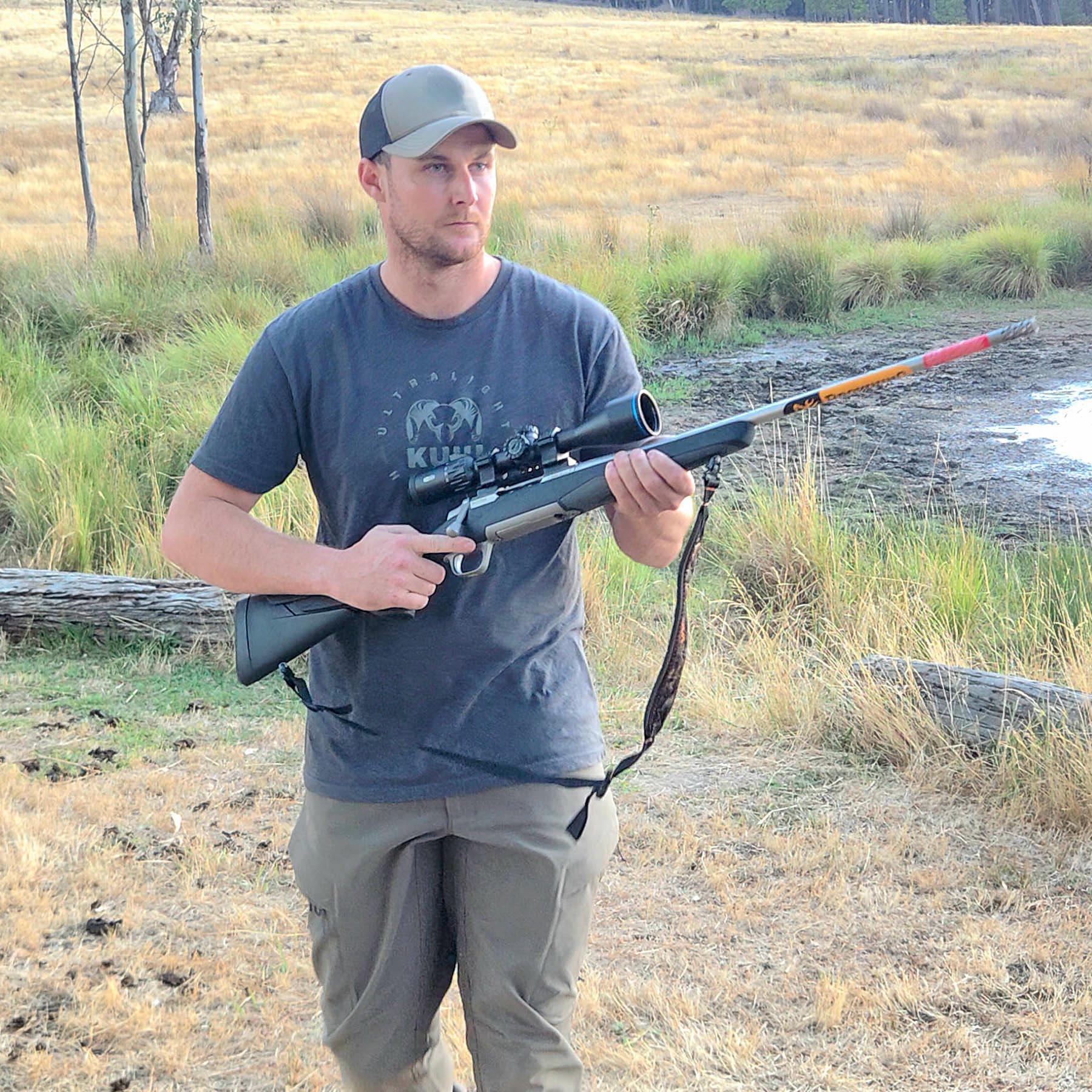

The Browning X-Bolt 2, in Composite Stainless form, is not a rifle built to impress across a gun counter. Its intent is far simpler and more relevant to most of us hunters — to be out in the elements, to be wiped down rather than pampered with maintenance, and to maintain accuracy across changing conditions.
Where many modern rifles chase modularity, extreme lightness or tactical crossover appeal, the X-Bolt 2 Composite Stainless remains firmly anchored in the hunting world.
Stainless steel and composite are not aesthetic choices here; they are durability decisions.
Browning’s aim is clear with this one; reduce variables and maintenance to create a rifle that performs consistently over years rather than mere seasons.
This configuration is well suited to Australian conditions, where humidity, dust, rain and temperature swings are routine wherever you hunt. From alpine gullies to coastal forest, from inland dust to wet grass at first light, this rifle is built with a mindset that the conditions will not be ideal and the hunter still expects their rifle to perform consistently throughout.
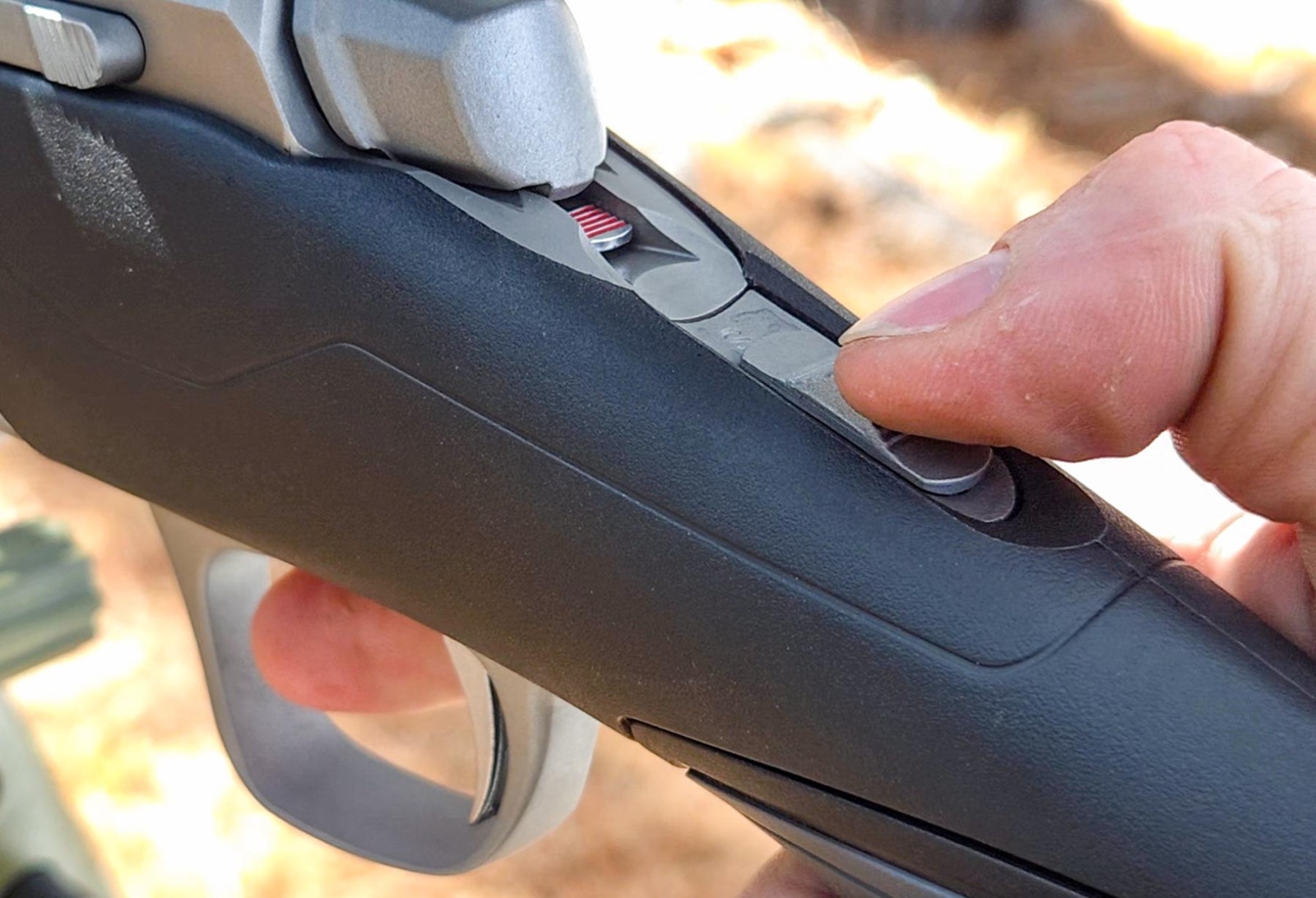
The X-Bolt 2 Composite Stainless is a traditional turn-bolt hunting rifle, but with modern refinements applied where they matter. A three-lug bolt, stainless-steel barrel, weather-stable composite stock, detachable rotary magazine, tang-mounted safety and user-adjustable trigger define the platform. Nothing here is a radical new interpretation. That’s the point.
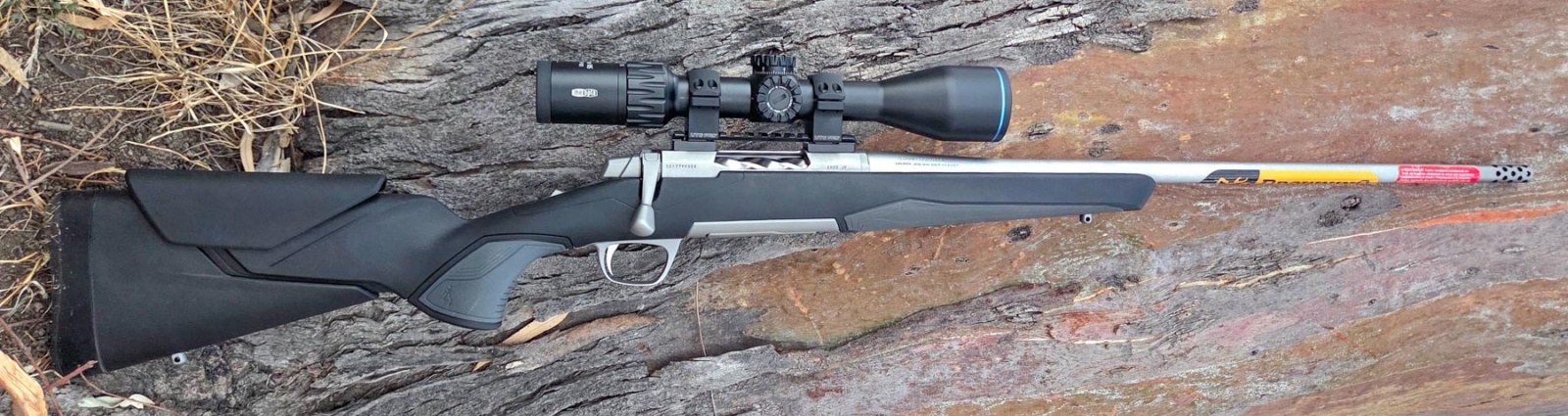
The X-Bolt 2 action builds on Browning’s long-running X-Bolt lineage with incremental refinement, rather than wholesale redesign. The bolt is a narrow 60-degree lift, improving scope clearance and allowing fast follow-up shots without excessive movement. This feature is most obvious when cycling the rifle from field positions, rather than a bench.
Bolt travel is smooth and controlled, with positive primary extraction and consistent feeding from the rotary magazine. I had no hang ups or failure to cycle over my time with the rifle. The action does not feel loose or over-polished; it feels as it should for a hunter — purposeful. It is designed to function when dirty, wet or cold, not just when clean on the bench.
Lock-up is solid and repeatable, even when hot from cycling five 150gn .308 Win rounds through it.
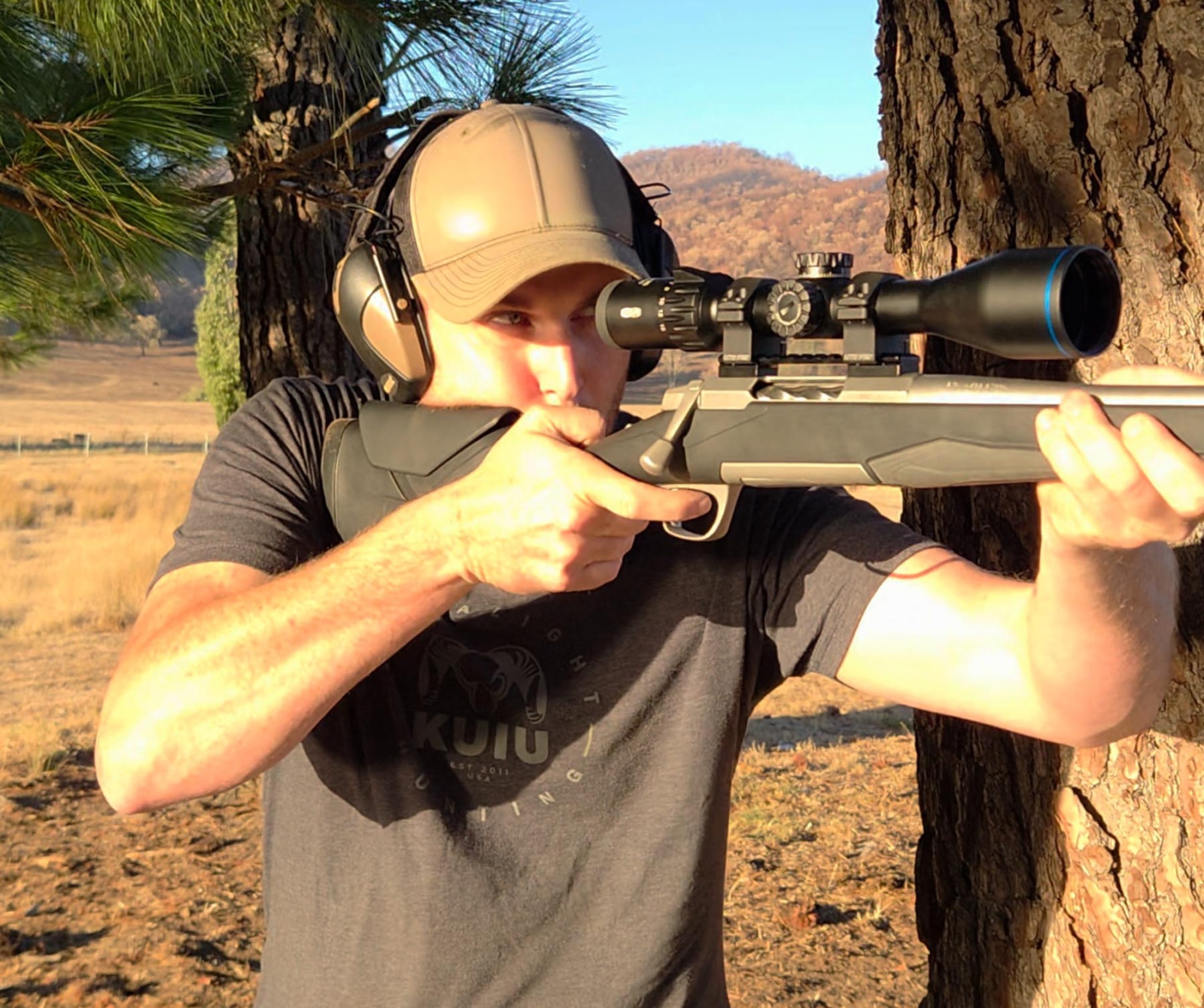
The stainless-steel barrel is the defining feature of this model, and it is more than a marketing checkbox for us hunters. In practical terms, stainless steel provides increased resistance to corrosion — a big win. Reduced sensitivity to short-term neglect, and greater tolerance for adverse environments are something I speak highly of when hunting places like the NT for buffalo or NZ for tahr.
For a rifle likely to see rain, condensation, wet grass and variable storage conditions, this matters far more than cosmetic finish. On top of this, the barrel finish is non reflective, reducing shine in the sun or scaring game with flashes of light.
The Vari-Tech composite stock is deliberately practical. It does not attempt to mimic timber or carbon-fibre aesthetics. Instead, it prioritises rigidity, weather resistance and repeatable bedding behaviour.
Composite stocks remove a major variable from the system: movement. Timber stocks can be excellent, but they respond to moisture and temperature throughout the years. Even subtle swelling or contraction can influence bedding pressure and point of impact. Composite stocks largely eliminate this, allowing the rifle to maintain its zero across seasons and environments.
The stock and bedding become particularly relevant when a rifle is zeroed in winter and hunted in summer, or when it transitions between dry conditions and damp coastal or alpine environments. The composite stock on the X-Bolt 2 keeps the system stable regardless of where or when it is used.
Another consideration, or lack thereof, is that you don’t mind if this stock gets scratched or chipped. It’ll perform the same and I’m not too fussed with marks on a synthetic stock.
A side note here, the bedding on the X-Bolt 2 appears a bit rough to the eye, but the action does feel securely supported and I can’t knock it for aiding in the accuracy results.
Ergonomically, the stock provides good neutral grip geometry, a stable fore-end for field rests, and secure handling. The rifle shoulders naturally and points well, which is often undervalued compared to raw accuracy figures. A rifle that mounts consistently is a rifle that gets shot well under pressure.
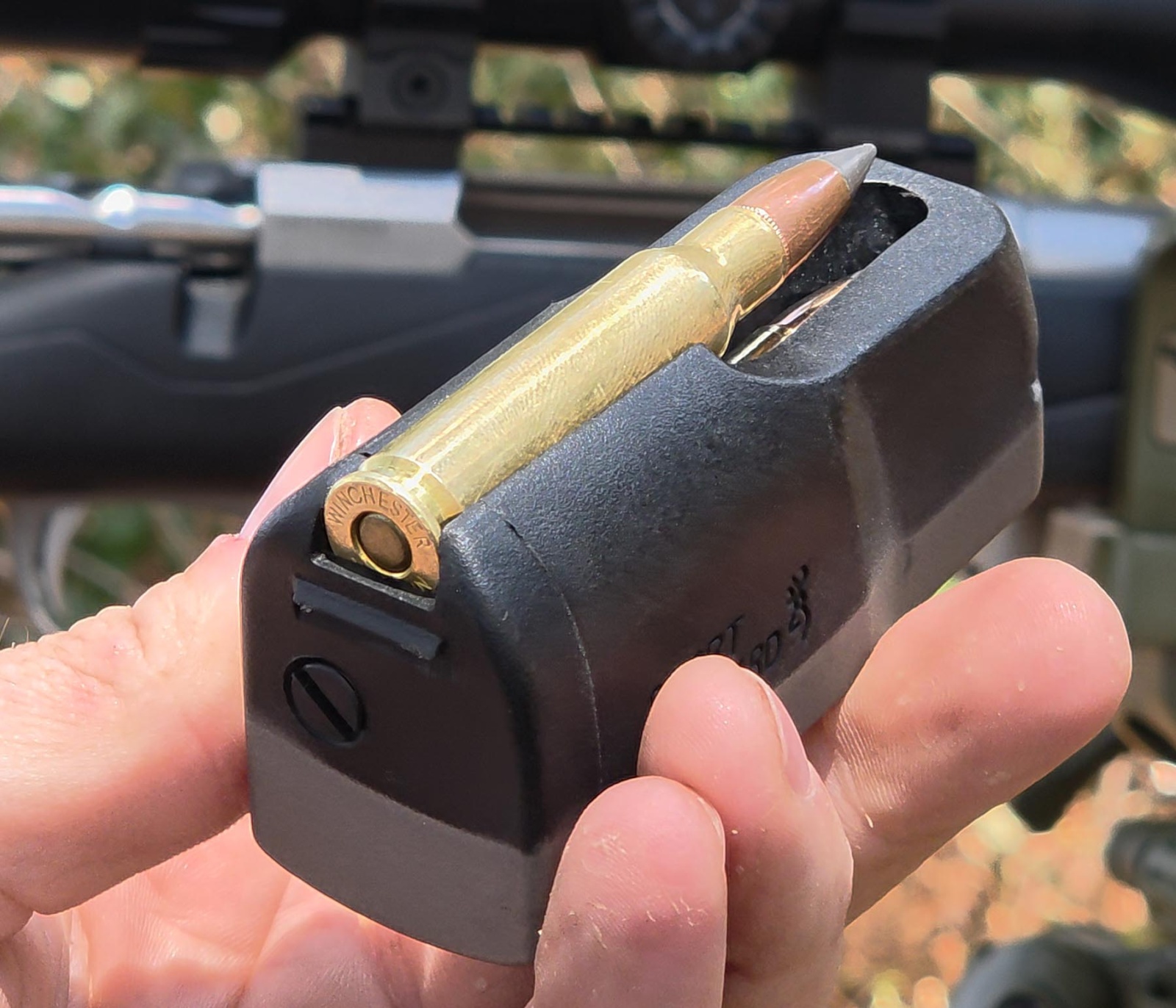
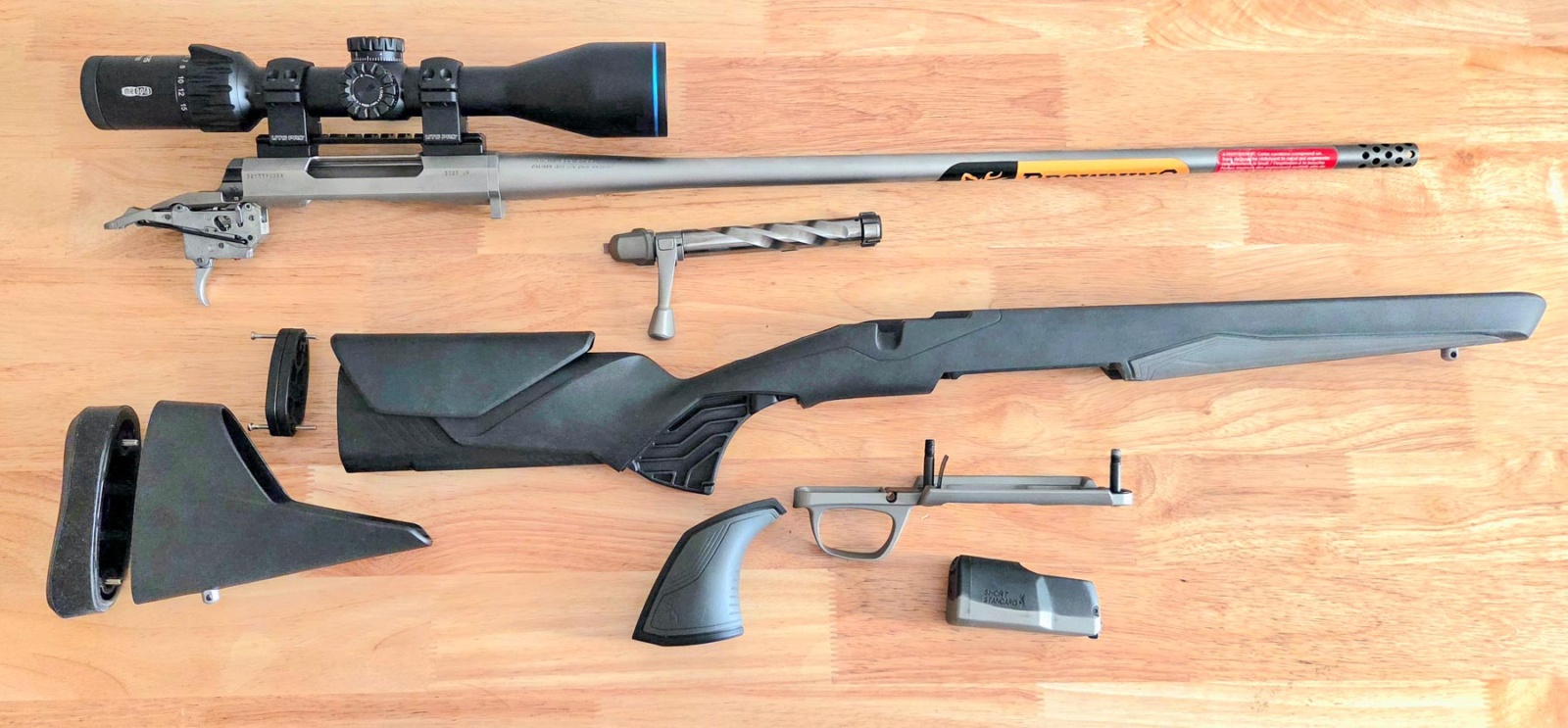
The stock does allow for adjustments in the length of pull by adding or subtracting spacers; and this is an easy process, and the comb height can also be altered to better fit you. Browning also offers you two interchangeable grips, for those who choose a more traditional line and those who would like a more modern 90-degree style grip.
Browning’s DLX trigger is a practical, field-oriented design. It has a clean break with no perceptible creep and a consistent pull weight. Importantly, it does not feel like an immediate upgrade liability. While dedicated precision shooters may still prefer aftermarket options, most hunters will find the factory trigger entirely adequate for ethical field shooting. However, it’s only adjustable from 1.3-1.6kg (3-3.5lb), which to most hunters might be on the heavier side; the 0.91.2kg (2-2.5lb) range will feel more comfortable to hunters and shooters alike.
The detachable, four-round rotary magazine sits flush with the stock and feeds reliably, a big win here. If a rifle doesn’t feed well, it doesn’t usually come into the field. Browning’s rotary system avoids protruding box magazines, maintaining clean lines and preventing interference when carrying or shooting from improvised rests. It clicks in firmly and drops out well, and feeding remains consistent across varying cartridge lengths within the 308 spec.
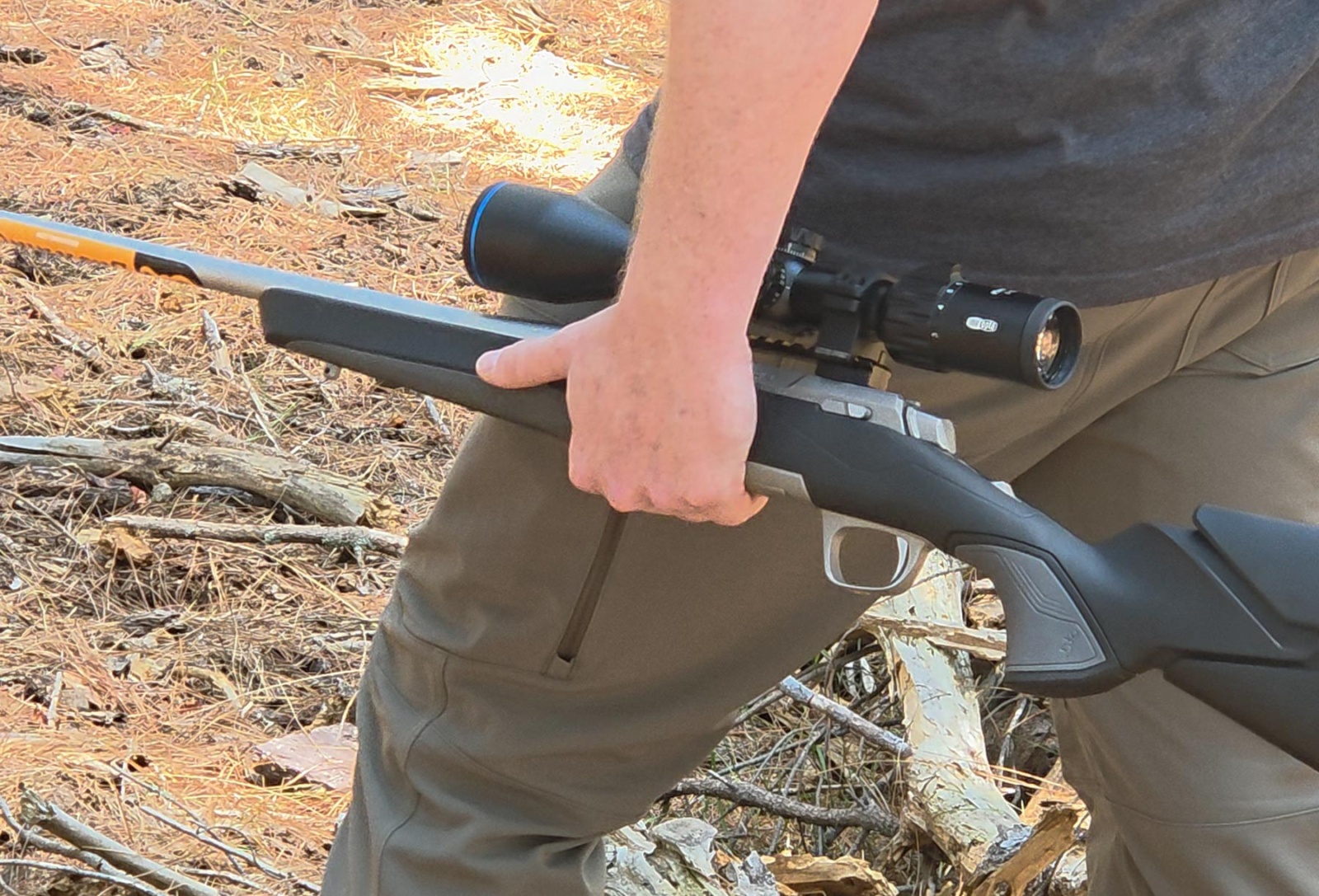
The X-Bolt 2 Composite Stainless carries like a hunting rifle should. Balance is neutral, neither muzzle-heavy nor overly light at the front. This contributes to steadiness in unsupported shooting positions. The rifle feels composed rather than acting like a super light rifle which can be inherently harder to keep on target, which benefits real-world shot execution more than extreme weight savings.
The X-Bolt 2’s weight comes in at around the 3kg mark, or just over 6lb. Not super light, but also not in the super heavy category; and with a 22’’ barrel that’s not too bad. With a lightweight scope and rings it’d feel quite comfortable and not a struggle to carry around the bush.
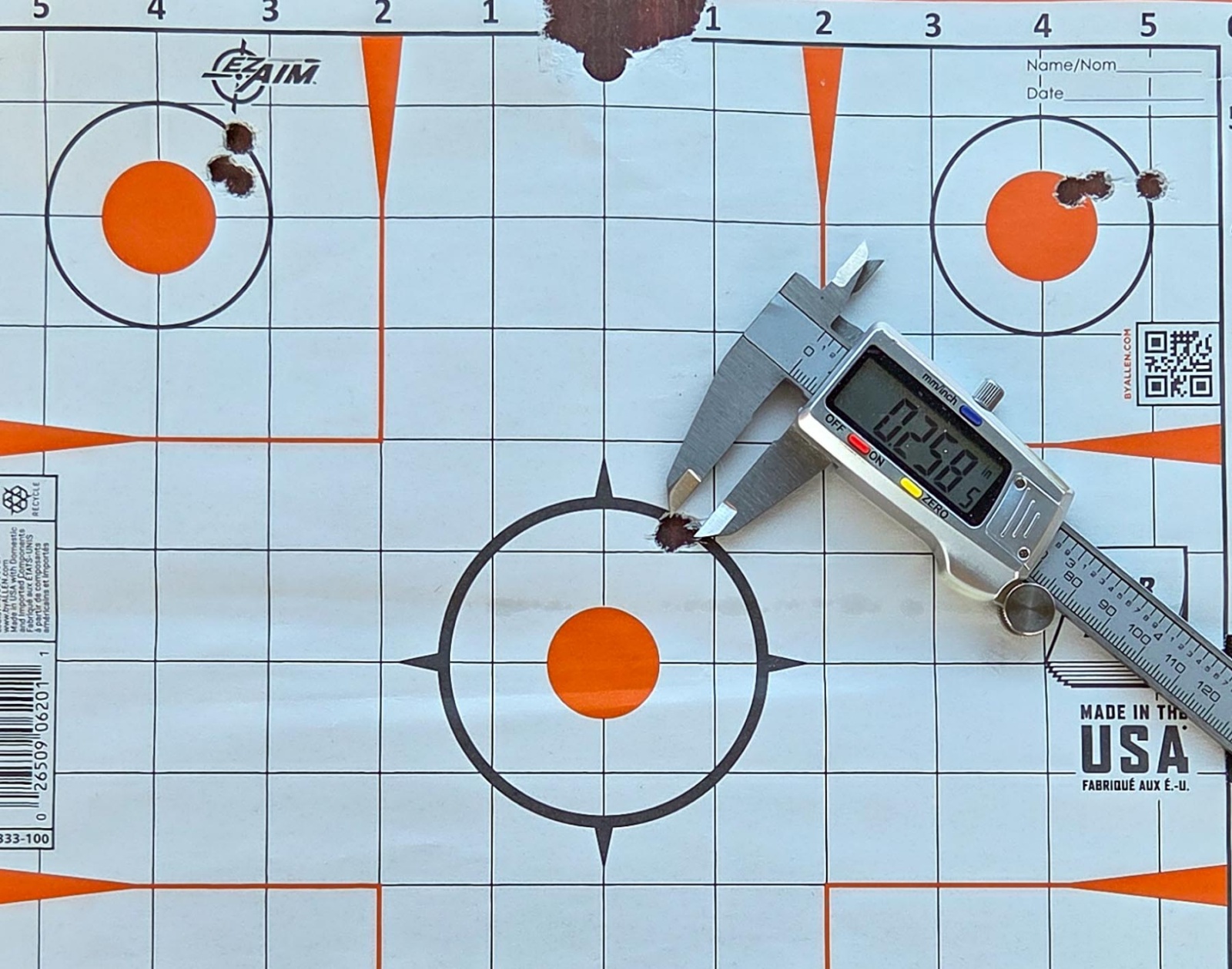
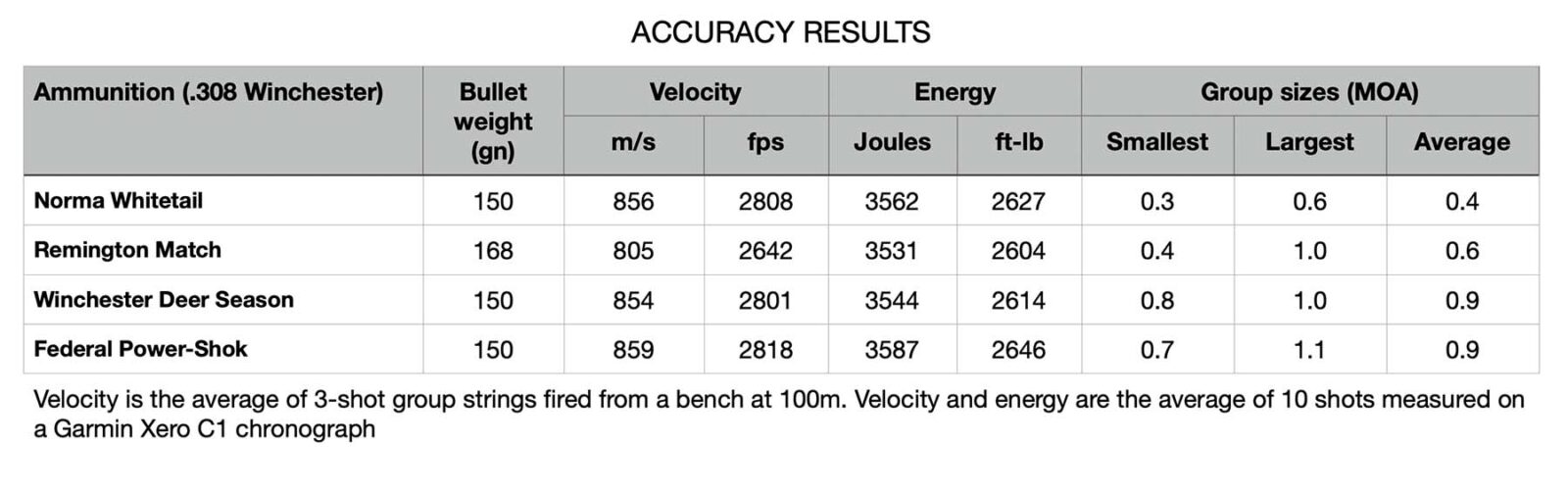
From a functional standpoint, the rifle behaves as expected of a modern Browning hunting platform: predictable accuracy, stable point of impact, and little sensitivity to moderate environmental changes.
The X-Bolt 2 platform is offered in several variants, each aimed at a slightly different hunter. The Composite Stainless as tested sits at the practical end of the range, but it is worth understanding where it fits within the broader lineup.
The standard X-Bolt 2 Composite has a blued barrel and composite stock, offering the same handling and action characteristics at a lower entry price, but with higher maintenance demands in wet and humid conditions. This variant typically retails in Australia at around $1650, depending on chambering and retailer.
The X-Bolt 2 Hunter uses a blued barrel paired with a walnut stock, targeting traditionalists who value aesthetics and classic lines. While attractive, it requires greater care in adverse conditions and is best suited to drier climates or hunters willing to maintain their rifle meticulously. Australian pricing generally sits around the $1595 to $1725 mark.
The X-Bolt 2 Speed and Speed LR variants introduce Cerakoted barrels, lighter profiles and more aggressive styling, aimed at hunters seeking reduced weight and modern finishes. These rifles offer better rust resistance when coatings remain intact and typically retail between $2300–$2500 and run a little higher depending on configuration.
At the top end, carbon-stocked or long-range-oriented X-Bolt 2 variants push further into specialist territory, with prices exceeding $2500. These rifles offer performance advantages for certain applications but move away from the simple, workhorse philosophy that defines the Composite Stainless.
The X-Bolt 2 Composite Stainless generally retails in Australia around the $2000 to $2195 region, placing it squarely in the middle of the range. It is not the cheapest option, but it arguably offers the best balance of durability, simplicity and long-term practicality for hunters who prioritise use over appearance.
In practical terms, this rifle is best suited to hunters who value reliability, repeatability and resistance to the elements. It is a rifle for people who hunt in the weather, not around it. It rewards consistent use, forgives occasional neglect and maintains its performance across seasons and conditions.
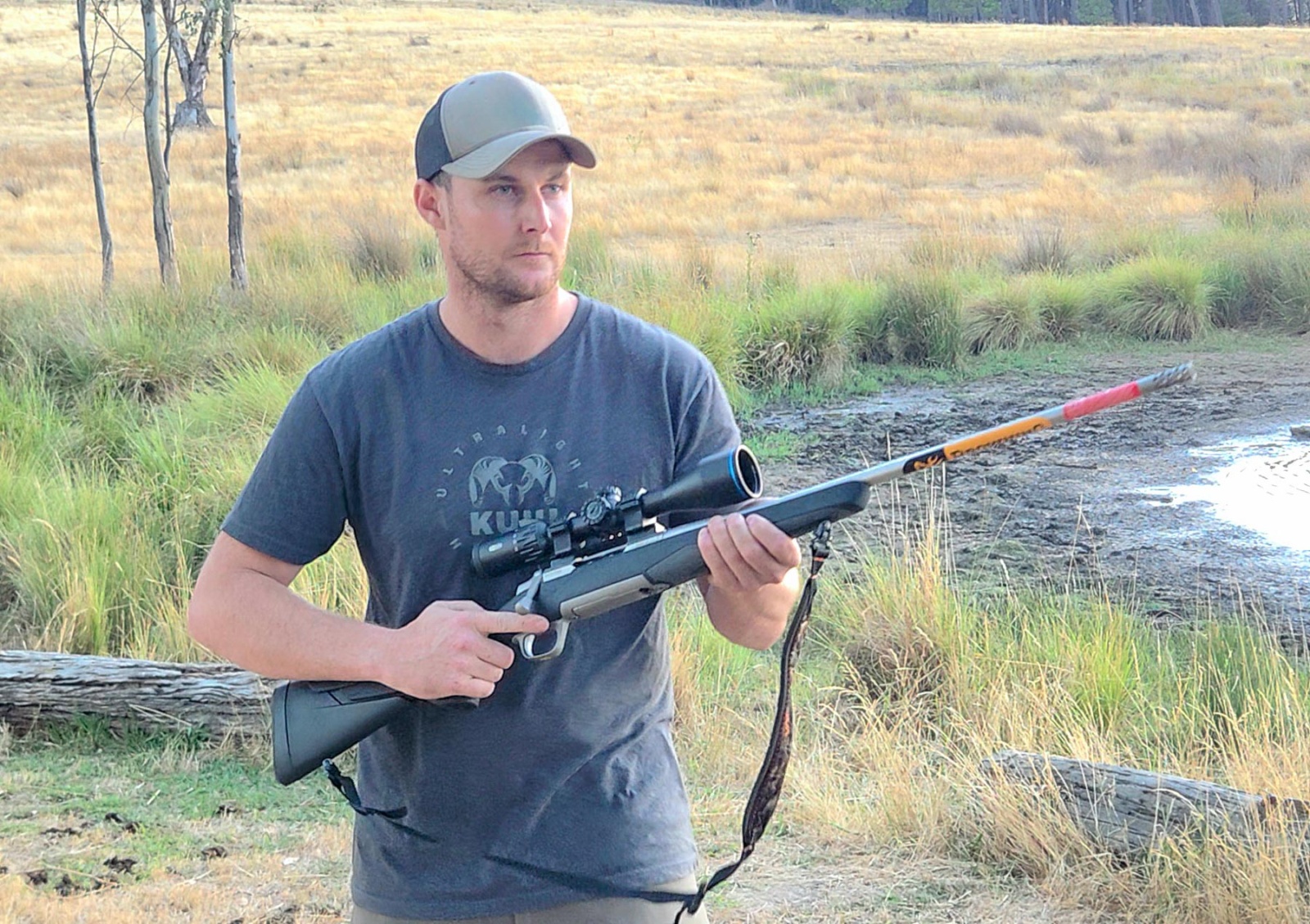
It does not attempt to redefine what a hunting rifle should be. Instead, it refines what already works and removes unnecessary vulnerabilities, like timber stocks or blued steel. The stainless barrel and composite stock combination is not exciting in a marketing sense, but it is very sensible in the field. The trigger, once again, can use some refinement — lowering its let-off weight would be appreciated — but otherwise this rifle packs in the value.
For hunters who want a rifle that can be carried hard, stored wet, cleaned when practical and trusted implicitly when it matters, the Browning X-Bolt 2 Composite Stainless makes a compelling case. It is a tool built to endure, and in that sense, it succeeds with quiet assurance.
SPECIFICATIONS
- Type: Bolt-action repeater, three lugs, 60° lift
- Calibres: .243, .270, .308 (tested), .30-06, 7mm PRC, .300 Win Mag, .300 WSM
- Action: Stainless steel
- Barrel: 56cm (22”), hammer forged, stainless, 1:10 twist, threaded with brake
- Trigger: DLX, adjustable 1.3-1.6kg (3-3.5lb)
- Safety: 2-position with bolt release
- Magazine: 4-round rotary (3 in magnums)
- Sights: None; drilled and tapped for scope mounts
- Stock: Vari-Tech composite, adjustable
- Length: 103cm
- Weight: 3kg
- Price: $2195 (as of 2026)
- Distributor: Winchester Australia


0 Comments