


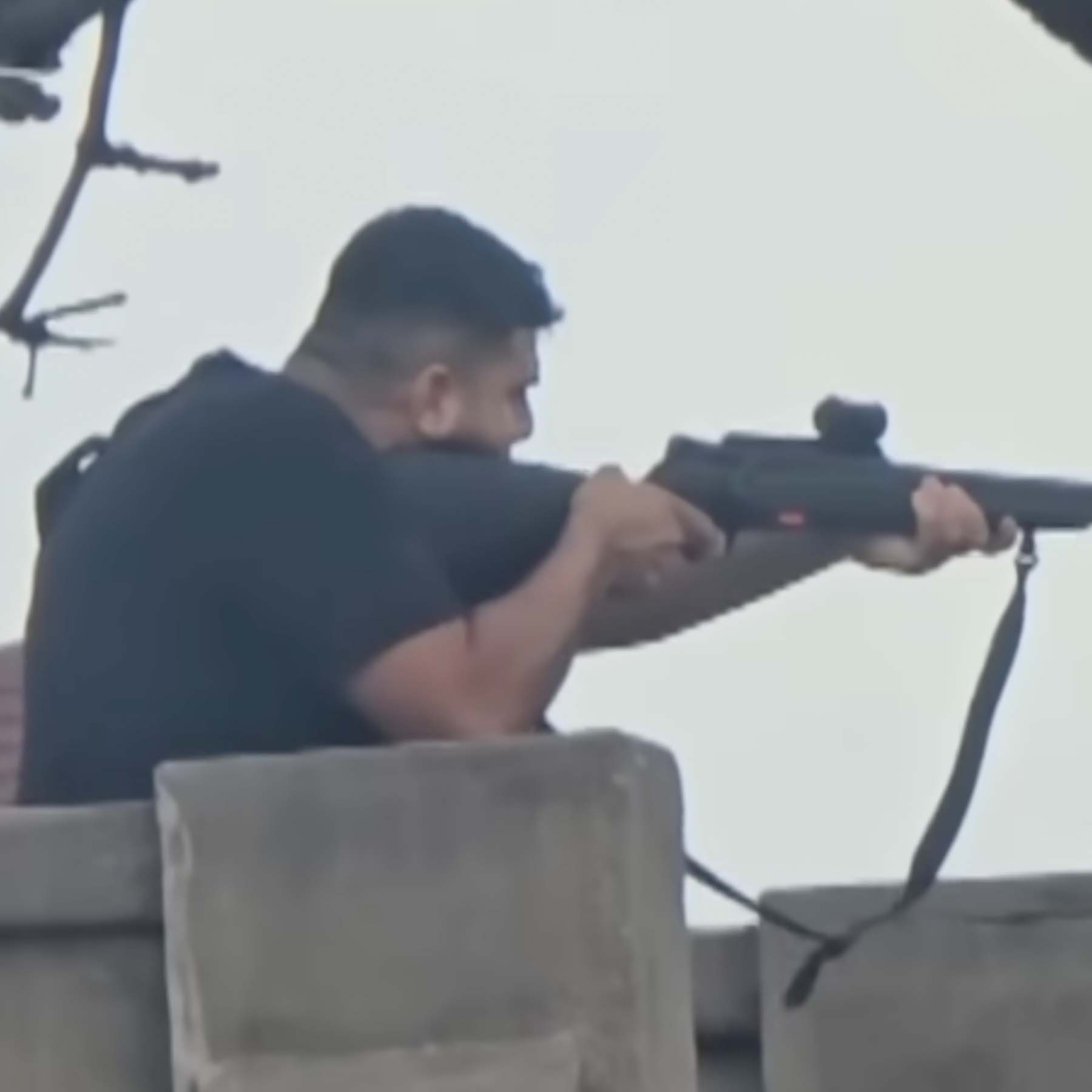


Most major shooting incidents in Australia over the past decade have resulted from weaknesses or outright failures in policing and security, and none from flaws in existing firearm laws, according to even a brief assessment of them.
In the Bondi Beach, Porepunkah, Floreat, Wieambilla, Darwin and Osmington shootings, fewer than half of the shooters held firearm licences and in each case those licenses could and should have been revoked before the incidents occurred, and the guns removed.
Since the nation’s current regime of gun laws was introduced in 1996, gun deaths have fallen steadily and continue to do so, with a gun-related homicide rate of just 0.09 per 100,000 people in 2023-24, the most recent figure; those include gangland killings.
The Bondi Beach terror attack should not inform future firearm laws in Australia for two major reasons.
First, the one licensed shooter could and should have had his license and guns taken from him. Australian security authorities knew he and the other terrorist had undertaken military-style training overseas only the previous month. Even before that, under our current gun laws, he should not have had a licence. After all, police refused Kyle Sandilands a licence for having dodgy mates (to quote a high-profile example). How did someone with a son, who lived with him and was on an ASIO watchlist, get a licence after the terrorism connection was known or suspected?
Second, the attack was a premeditated act of terrorism, not a random shooting, and could not have been stopped by any laws. The fact that they had improvised explosive devices underlines the point.
Let’s look at the other major gun-related incidents in Australia over the past decade, in no particular order:
1. Osmington murder-suicide
In 2018, licensed shooter Peter Miles shot dead his wife, daughter and four grandchildren before killing himself. Miles was allowed to keep his license in spite of reportedly being part of a family with a history of suicide, violence, mental illness, dysfunctionality and, in the lead-up to the familicide, serious financial and legal pressures.
2. Darwin murders
In 2019, a man on parole, with suspected outlaw motorcycle gang connections, murdered four people and injured one with an unregistered pump-action shotgun. Of course, he had no gun license. This doesn’t necessary show failures by police but it is also nothing that firearm laws could have prevented.
3. Wieambilla murders
Two police and a civilian were killed in 2022 by conspiracy theorists who did not legally possess firearms. Previously licensed, they had smuggled the firearms across a state border, an incident that had apparently been reported. NSW police had also given their Queensland counterparts a heads-up. Failure in police communication, intelligence and tactics, not guns laws, contributed to the deaths of these people.
4. Floreat murders
In 2024, a licensed pistol owner murdered a mother and daughter. The killer’s own family had begged police to take his guns away but had been brushed off. Police failed to act, despite having had the power to do so. Senior police even tried to deny that this power had existed. An investigation later found a number of police officers had failed to perform their duties and should have removed the firearms.
5. Porepunkah murders
In August 2025, Dezi Freeman used a home-made firearm to kill two police officers. Freeman was known to police, who had already revoked his licence and removed his firearms but Freeman managed to concoct his own rudimentary but lethal gun. Again, not necessarily a failure of policing but nothing laws could have averted, either.
We have not included the many public drive-by shootings and gangland murders committed over that time, particularly in Sydney where they seem rife. These are quite clearly purely criminal incidents that fall well outside the control of any firearm laws.
Australia does not have a problem with its firearm laws.
Australian shooters, who are demonstrably law-abiding and already heavily regulated, must not be punished for the failures of governments and authorities to stop a terrorist act.


0 Comments