


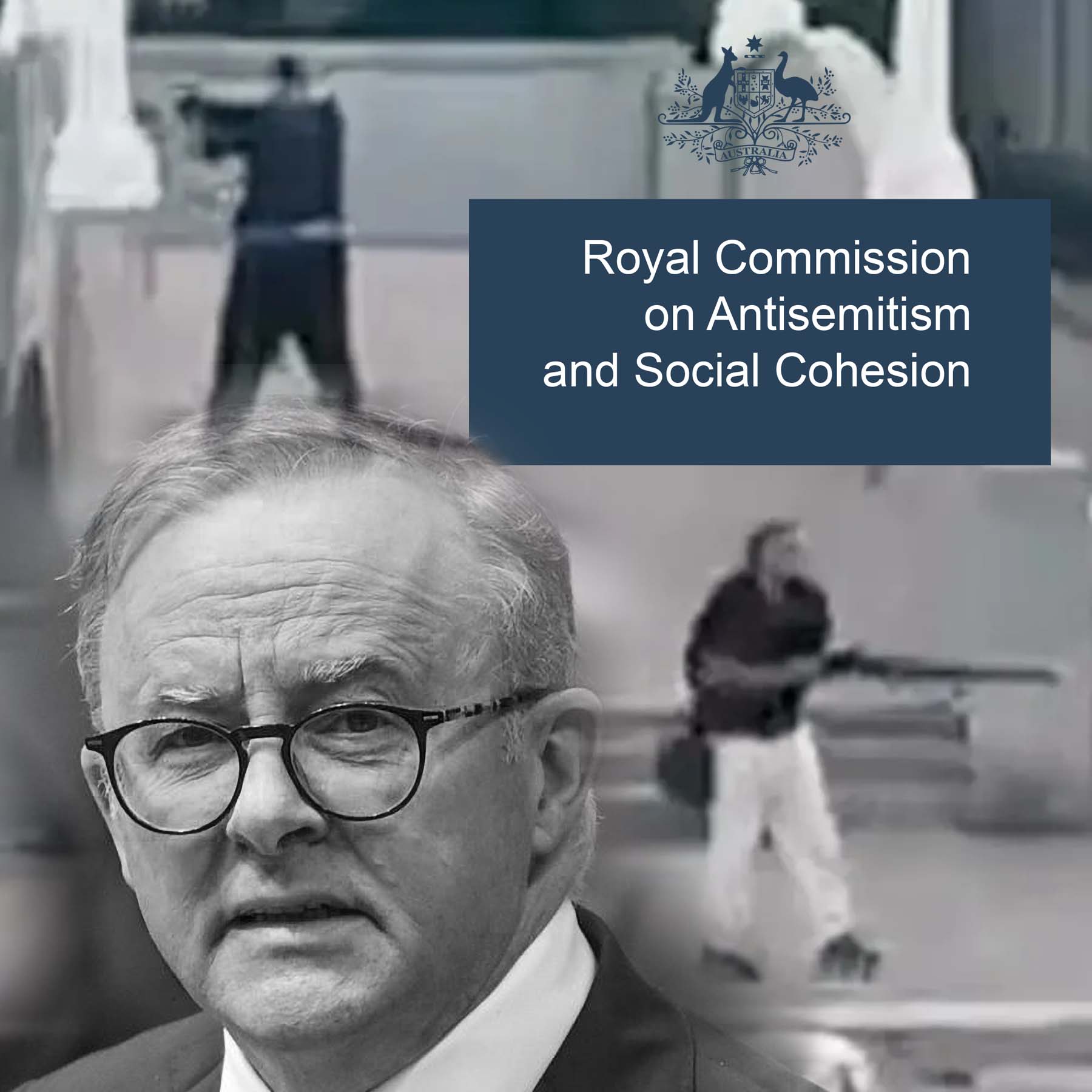


The interim report of the Royal Commission into Antisemitism and Social Cohesion appears to prioritise political optics over genuine public safety reform.
The report claims there were “no pressing legislative failures” prior to the attack, yet it immediately contradicts this by proposing sweeping changes to firearms legislation.
It is deeply concerning that the Commission has chosen to hide critical findings behind classified recommendations, effectively shielding government agencies from public scrutiny regarding intelligence and interagency communication breakdowns.
The Australian public deserves to know how the alleged gunmen were granted lawful access to firearms despite at least one individual being known to intelligence agencies for their extremist links. By failing to address this, the report ignores the most critical systemic failure of the entire incident.
Recommendations 13 and 14 call for a nationally consistent National Firearms Agreement (NFA) and a “National Gun Buyback Scheme.” However, the report fails to provide evidence as to how these measures would have prevented the Bondi tragedy. None of the findings make any effort to address the impact such legislation may have on law abiding firearms owners or businesses.
The Shooting Industry Foundation of Australia (SIFA) identifies three primary concerns with these recommendations.
First, the lack of evidence provided in the publicly available recommendations for how an updated NFA would have prevented the attack, or similar attacks.
Notwithstanding the limitations of classified recommendations, the evidence provided does not meet or balance its security objectives with the economic impact suffered by the shooting industry. It fails particularly against the backdrop of existing known legal mechanisms that were not fully used to pursue the alleged attackers.
Similarly, the economic impact on taxpayers is not addressed: a gun buyback is estimated to cost several billion dollars, with no measures as to the composition of its funding nor any clarity about what weapons it would specifically capture. At the time of writing, NSW is the only state to fully support the buyback.
SIFA believes that the shooting industry and lawful firearm owners are being forced to bear the brunt of a state and federal response that refuses to look in the mirror. Issues surrounding radicalisation and failed intelligence sharing are at the very core of the Commission’s mandate. These elements, however, are either again hidden in the report’s confidential recommendations or not included in the Royal Commission’s investigation.
Australians deserve institutions that serve their stated purpose: strengthening social cohesion and countering extremism. Instead, this interim report leans on the tired strategy of penalising an already compliant industry to distract from the failures of government.
SIFA calls on the Royal Commission to ensure its final report addresses the actual mechanics of the Bondi attack to protect the community and ensure fair treatment of those affected by any legislative changes introduced to do so.


0 Comments