



Trigger control is the most important single factor in accurate shooting. There are two sides to this: the quality of the trigger and your skill in using it.
A good trigger allows you to control the moment of firing so that the bullet leaves the muzzle in that instant when your aim looks right and the rifle is holding steady.
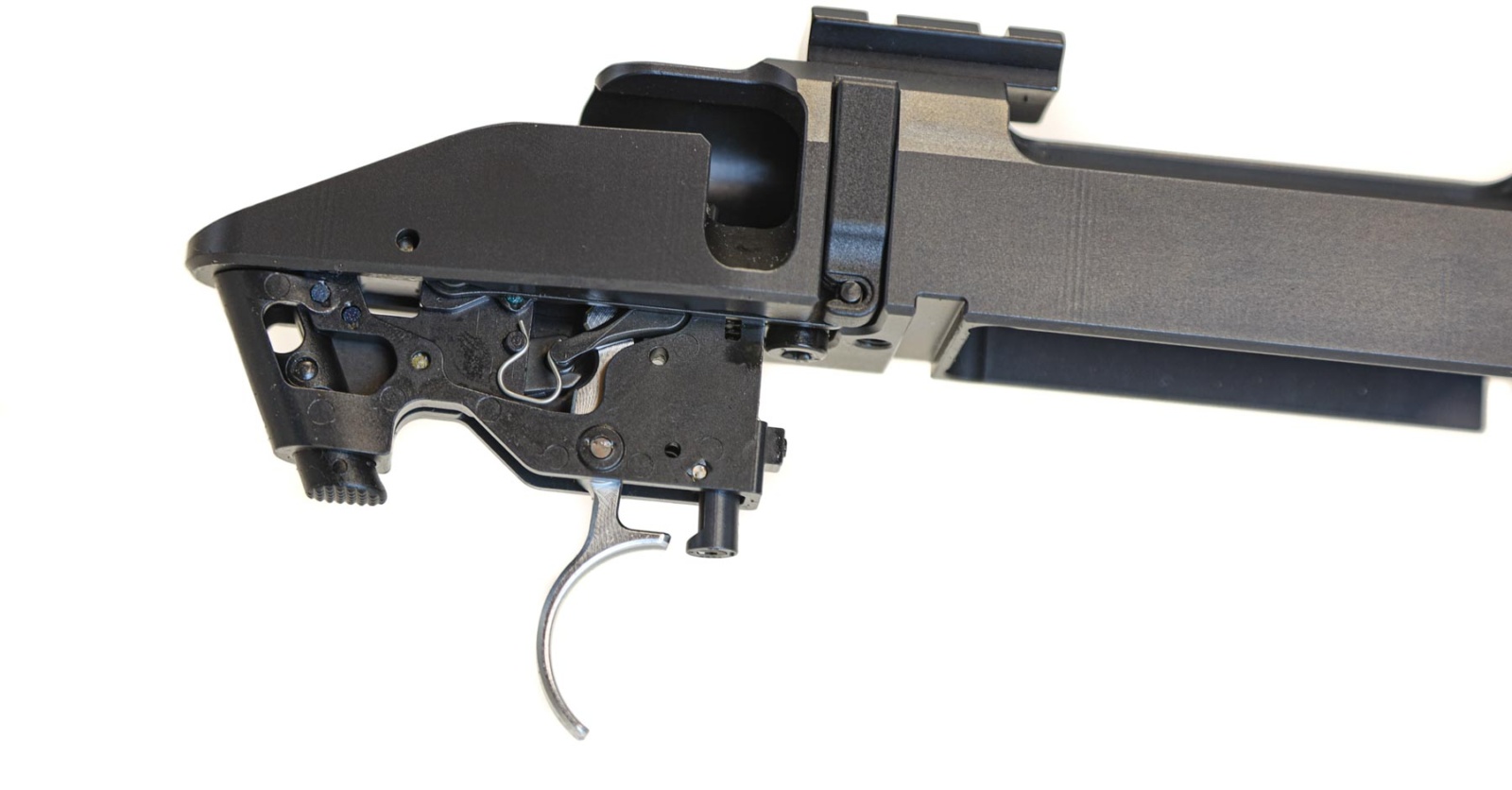
Proper trigger control is not possible unless your trigger has been properly adjusted to give a crisp, totally inert let-off. A trigger that creeps and jerks is going to disrupt your aim, whether you are shooting at game or targets.
You might have excellent muscular coordination and steady nerves so you can hold as steady as a rock, but the finest accuracy cannot be obtained unless your trigger’s pull is crisp and manageable.
There is a wide variation in the designs of triggers fitted to the average sporting rifle.
Some have double-stage, military-type pulls, while others have single-stage triggers. A few come with too heavy a pull and are non-adjustable, but the majority of modern sporters have single-stage triggers that are fully adjustable for weight of pull, and in many cases for creep and over-travel, too.
A few European rifles are still being furnished with that anachronism, the double-set trigger, which initially sounds like an ideal solution, since you can use it unset when you’re in a hurry to shoot at jumped game or set it on a hair-trigger for a slow, deliberate shot when you encounter a standing, unwary animal at long range. However, the drawbacks of such a trigger far outweigh any theoretical advantages it may offer.
The worst feature as far as accuracy work is concerned is the considerable time lag that takes place between let-off and ignition due to having two separate sets of sears. When the set-trigger is touched off, the cocked mechanism is released and slams against a second sear mechanism in the unit before the firing pin is released. This heavy blow sets up unwanted vibrations which are transmitted to the barrel, having an adverse effect on its harmonics even before the cartridge is fired. This goes against the basic principle of having a ‘vibration free’ trigger — a highly desirable feature of modern varmint/target rifles.
Even the best available trigger is no guarantee of fine accuracy, but no one can shoot his best with a lousy trigger.
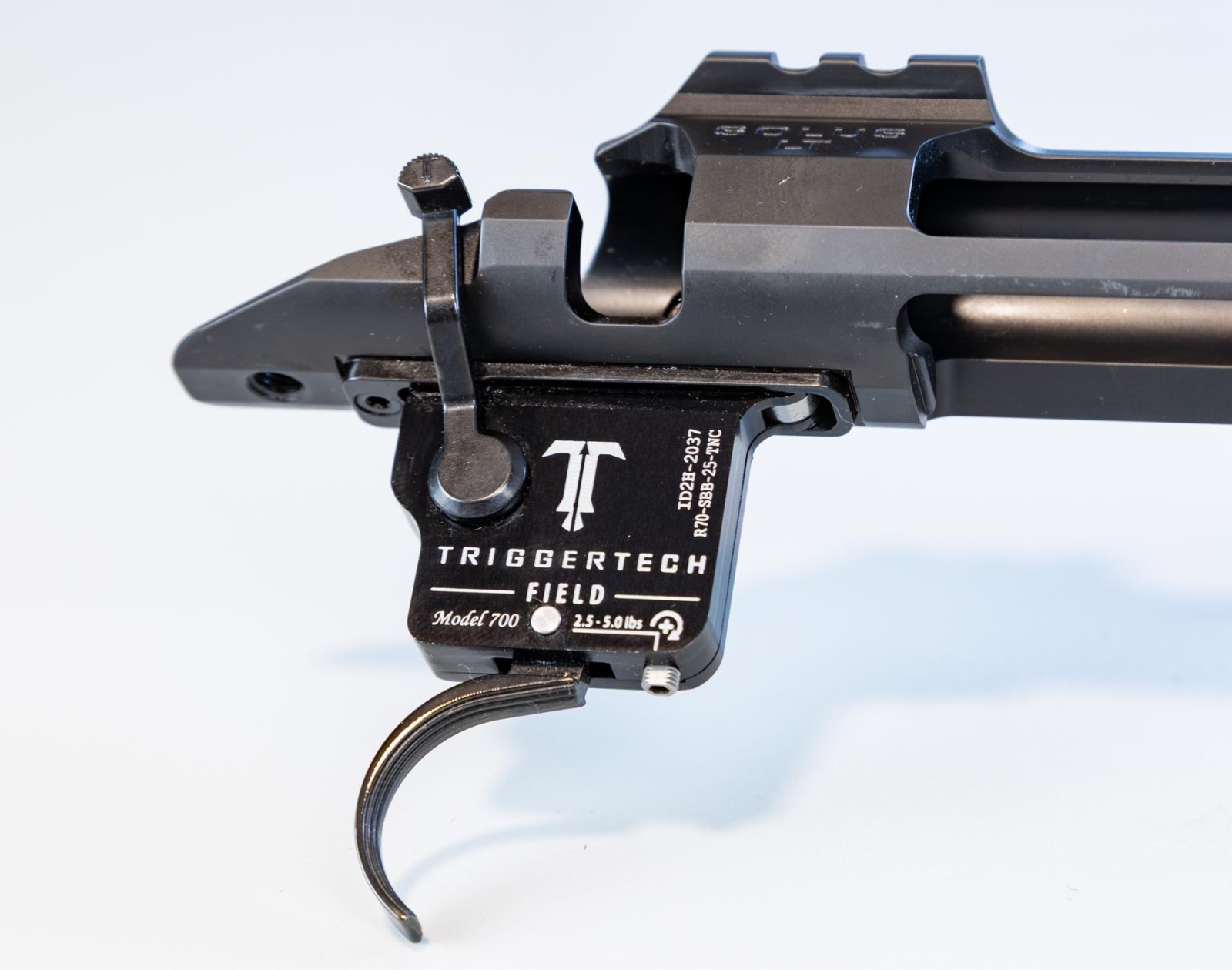
I believe that a good trigger is even more important on a hunting rifle than a target rifle because the rifleman is more deliberate when shooting a bullseye and generally has more time to overcome a bit of creep in the trigger. When shooting at game, you’ve often got to get your shot away fast without the slightest hesitation.
A good single-stage trigger can be adjusted to give a fine, crisp let-off and break cleanly, but for big game hunting it shouldn’t be pared below 1.1kg, and 1.36kg (3lb) is better — close to ideal, I’ve found.
Even for varmint sniping, a trigger pull of about 700 grams (1.5lb) is light enough.
In all cases, many factory rifles still come with triggers set much heavier than these weights. Owing to the threat of public liability suits in America, years ago, many rifle manufacturers began fitting their rifles with non-adjustable triggers set for a 2.2kg (5lb) pull or heavier.
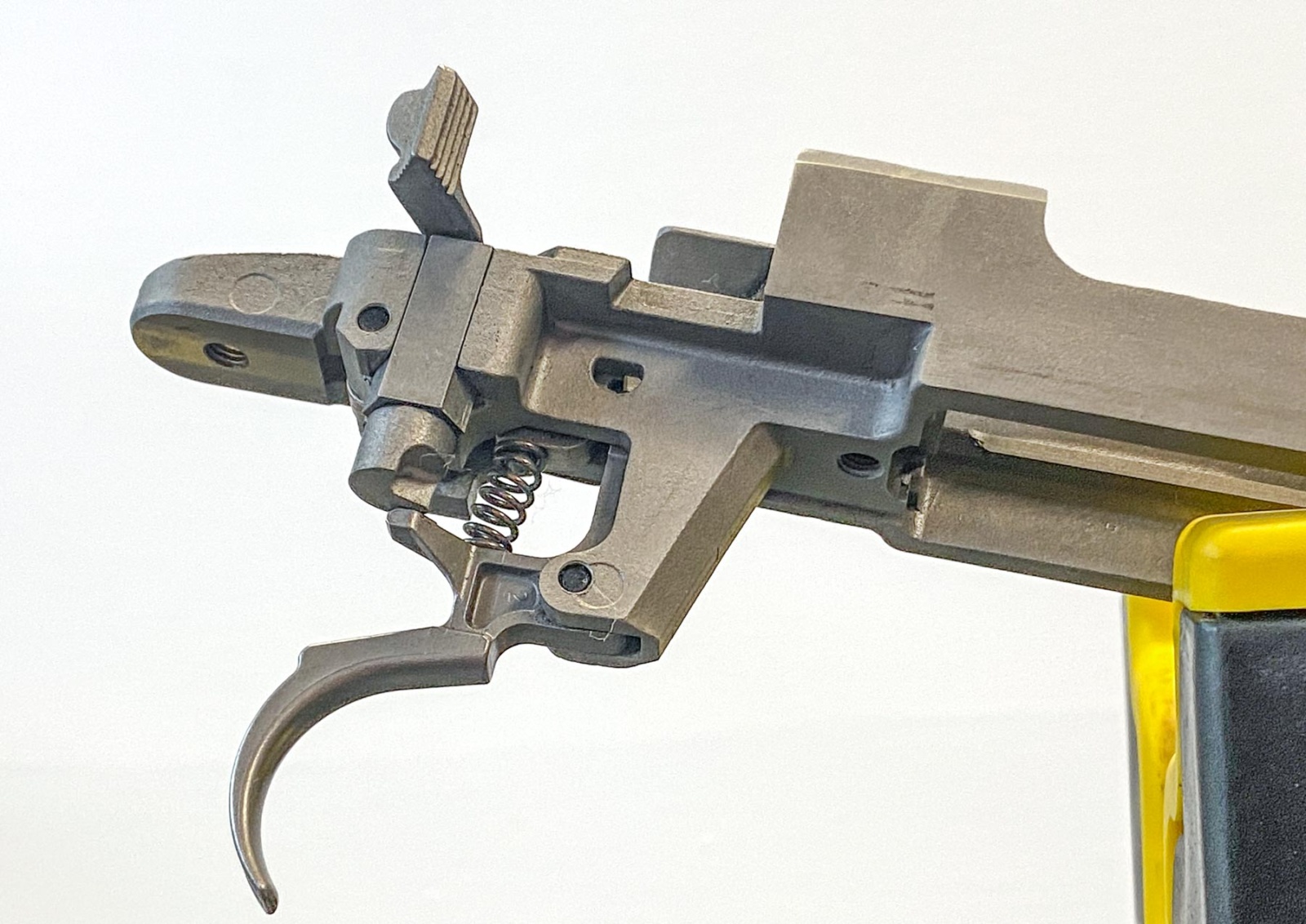
Thankfully, this period seems to have passed and companies like Ruger and Savage, for example, are now equipping their rifles with excellent triggers; the Savage AccuTrigger is a good example of this. Remington and Winchester have almost always fitted their rifles with an excellent adjustable trigger. They may be set for a heavy pull when you get them, but it’s relatively easy to adjust them to be lighter and clean breaking, totally devoid of any creep or over-travel.
Actually, a trigger’s weight of pull is less important than its crispness. A 1.8kg (4lb) let-off is far to be preferred over one of 1.1kg (2.5lb) that feels spongy or creepy.
A perfect mechanical trigger action is a theoretical impossibility, since it would have no motion whatsoever, and something has to move in order the release the striker. However, so close an approximation of perfection is possible that our rather dull human reflexes can be fooled.
The perfect trigger action has been described as being akin to the snapping of a glass rod; this means that a good trigger should be totally inert and feel like a thin glass rod being snapped in half, and not show the slightest trace of any movement or reaction to pressure until it suddenly and instantaneously breaks.
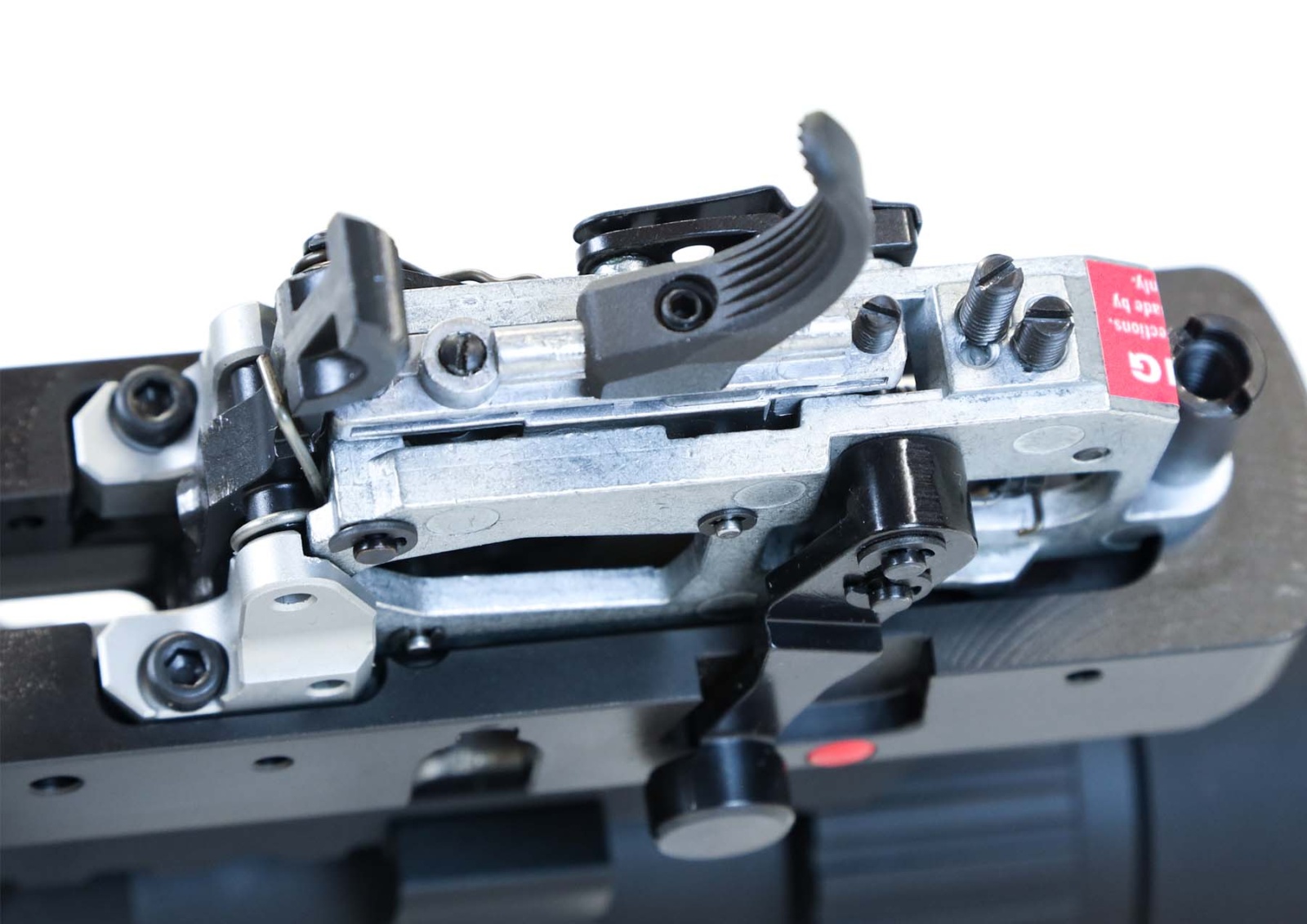
A trigger action like this cannot cause a shift in aim or put your nerves on edge wondering whether your rifle will go off on the second creep or the third.
If a perfect let-off was the only consideration, the problem would be relatively simple, but it is important that the trigger mechanism also be safe. It should be designed and constructed so that it cannot be jarred off by a sudden blow or accidentally fired while chambering a cartridge or releasing the safety catch.
These things have been known to occur when a trigger has been adjusted too light. A safe trigger is one that will only fire when we want it to.
Any trigger movement after sear release can disturb your aim while the bullet is still in the barrel, which will affect accuracy. The trigger should come to full stop the instant the sear is released. Most modern firearms designers know the importance of a trigger stop, and American and Finnish rifles in particular are equipped with excellent units that incorporate a series of levers which reduce the chance of an accidental discharge when the unit is adjusted to have minimum weight and travel.
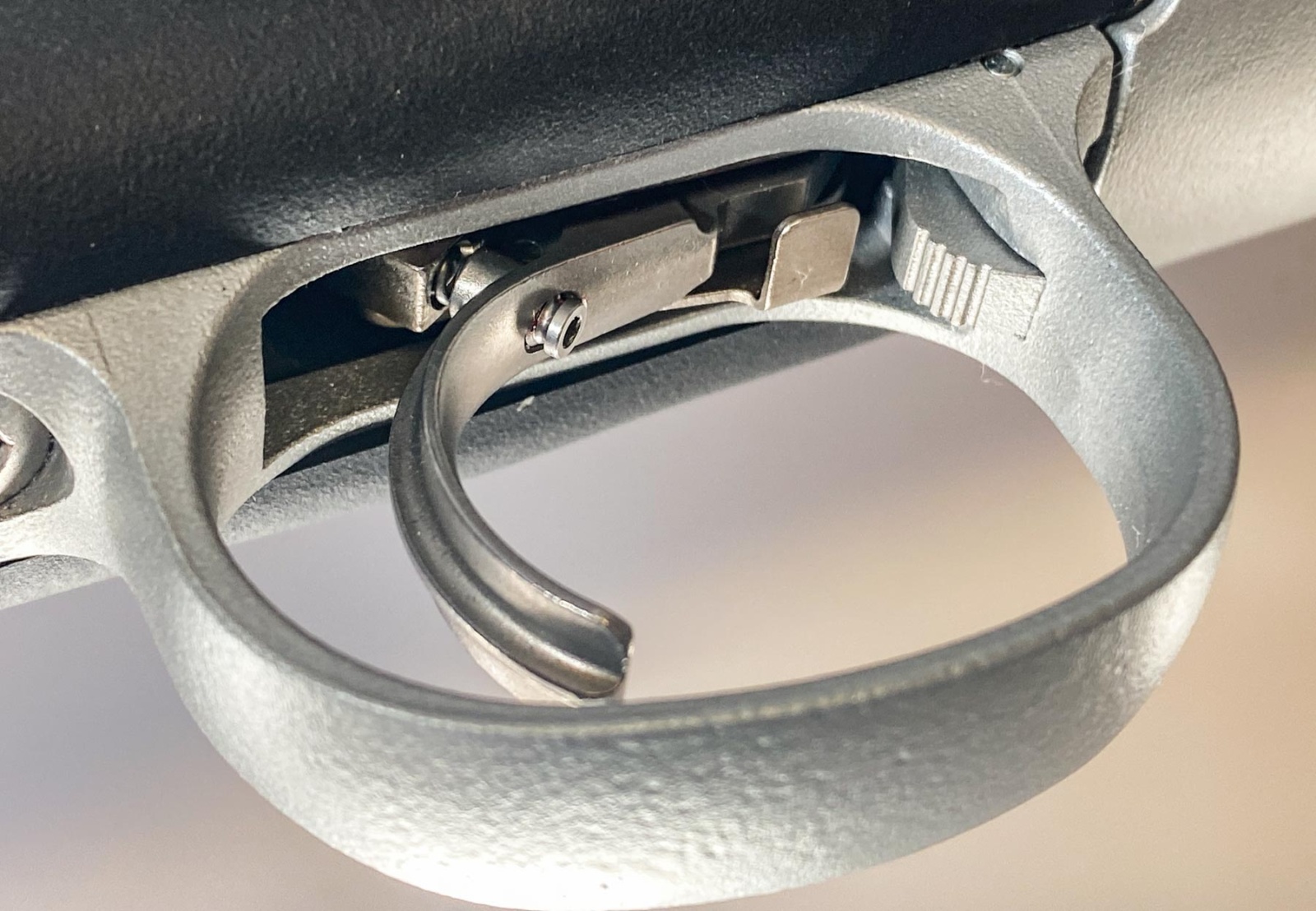
While additional levers do increase lock time by increasing the interval, the difference seldom amounts to more than a few milliseconds and normally lock time varies from about 2.2ms for the Remington Model 700 to about twice as long (5.2ms) for an old ex-military Mauser 98, while the old German double-set triggers often exceed 10ms.
Fast lock time is a highly desirable feature since it gets the bullet out of the barrel in the shortest possible interval before you have had time to shift your aim enough to make a critical difference.
Having too light a trigger pull is just as bad, and often worse than having one that is too heavy. You cannot exercise proper control over a trigger that has no ‘feel’ and therefore it is necessary that a certain amount of resistance is felt by the trigger finger.
The trigger on a rifle (or handgun) must be pressed. It should never be squeezed, pulled or jerked. Pressure is applied against the properly adjusted trigger while you concentrate on keeping your sight perfectly aligned on the target.
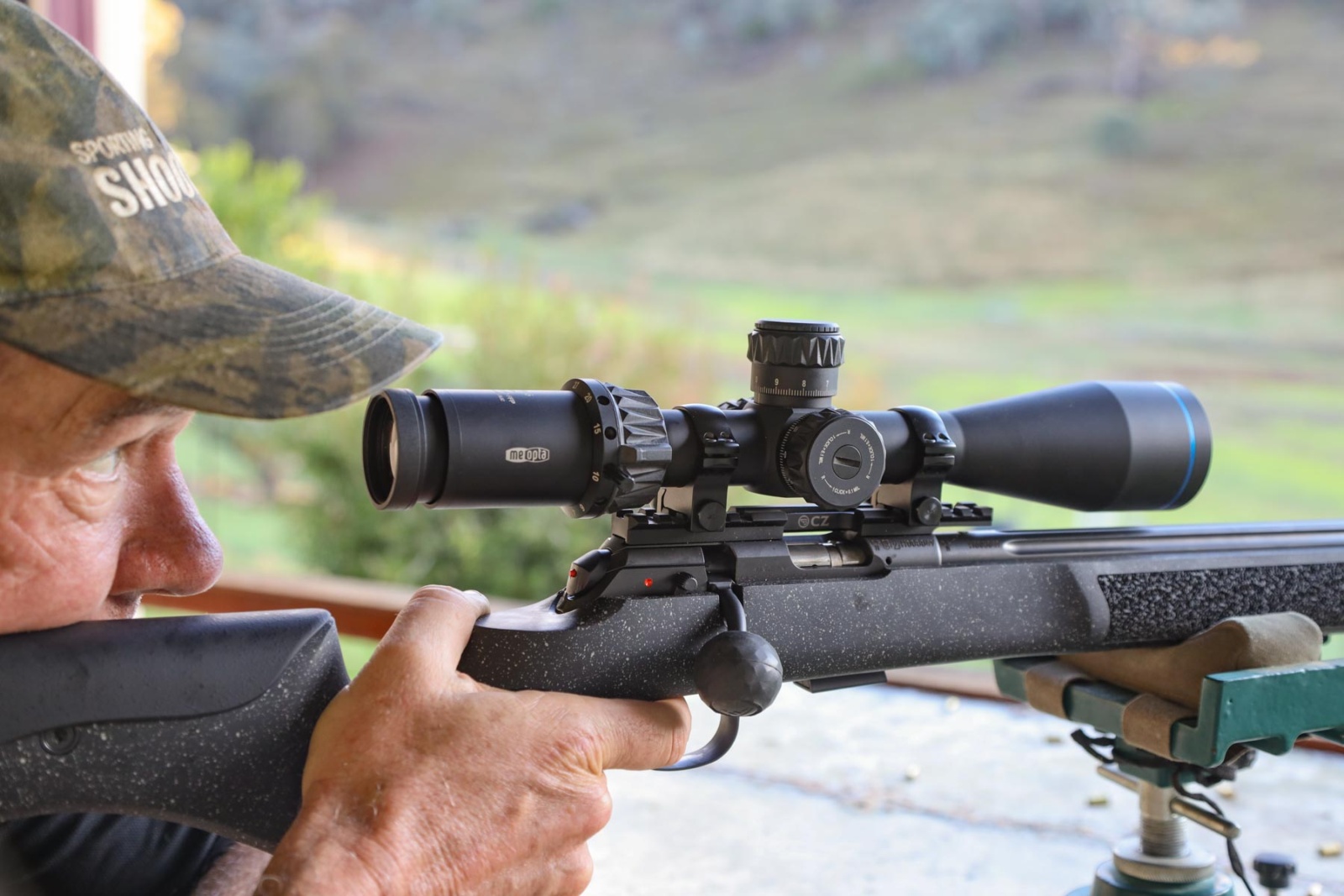
This pressure is applied in a series of start and stop movements. With my preferred 1.36kg trigger, when the sights come to bear on the target area, I take up the first 1kg of the pull. The rifle may shift slightly, allowing the reticle in the scope to wobble off the aiming mark, so I adjust my hold accordingly, maintaining the same pressure on the trigger. Then as the reticle comes back into line I take up another couple of hundred grams.
The process may have to be repeated a third or fourth time before the rifle goes off. But trigger pressure is not released entirely throughout, just put on hold; neither lightened or increased, simply held in check.
The experienced shooter will know the exact instance when the rifle will fire and, more importantly, where the bullet is going to land.
In the field it may take only a few seconds to get the shot away, while on a target it may take 20 seconds or more.
It is impossible to overestimate the contribution a good, crisp trigger makes to good marksmanship, but while trigger control is critical you also have to learn how to call your shots. Both of these techniques are indispensable skills to becoming a good field shot.


0 Comments