



There is a compelling case for the Mauser Model 1893 being one of the most significant and influential rifle designs in firearms history. There is, after all, a reason that “Mauser design” sums up the majority of the world’s bolt-action military rifles from the 1890s until well after WWII.
No, not the Mauser Model 1898 – even though that’s the best known and most widely built, but it’s predecessor upon which this article focuses.
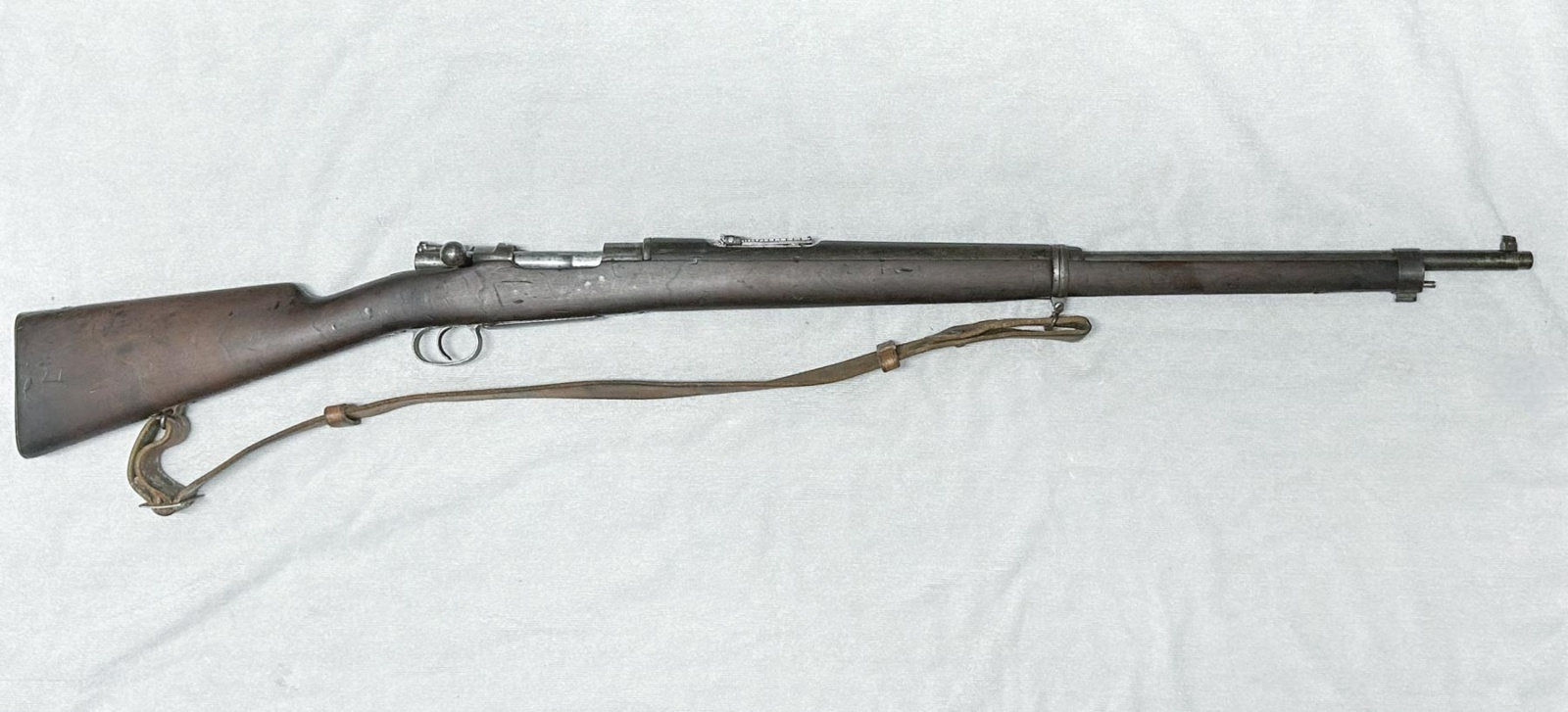
The Mauser Model 1893 was developed in (as its name suggests) 1893 at the behest of the Spanish government, which wanted a new rifle to replace its single-shot Remington rolling-block rifles. The process took some time, and the original plan was for Spain to adopt the Mauser Model 1891 rifle, but by the time they’d gone through the trials and tests, Mauser had developed the Model 1893, which the Spanish saw and immediately said, “Yes, we want that please”.
Earlier Mauser designs, such as the Model 1889, 1890 and 1891 featured an external magazine. The Model 1893 had internal magazine, as well as a redesigned bolt and improved charger loading.
The Spanish Model 1893 also introduced the 7x57mm Mauser cartridge featuring a 173gn projectile with a muzzle velocity of 700m/s (2296fps). It was incredibly accurate, flat shooting and long-ranged, as would become apparent very soon after in some notable conflicts.
Even today, the design is very clearly a Mauser rifle, with many of its features and general styling carrying over to the Chilean Model 1895 rifle (essentially a modified version of the Model 1893) and the Model 1896 Swedish Mauser, before culminating in the iconic Model 1898.
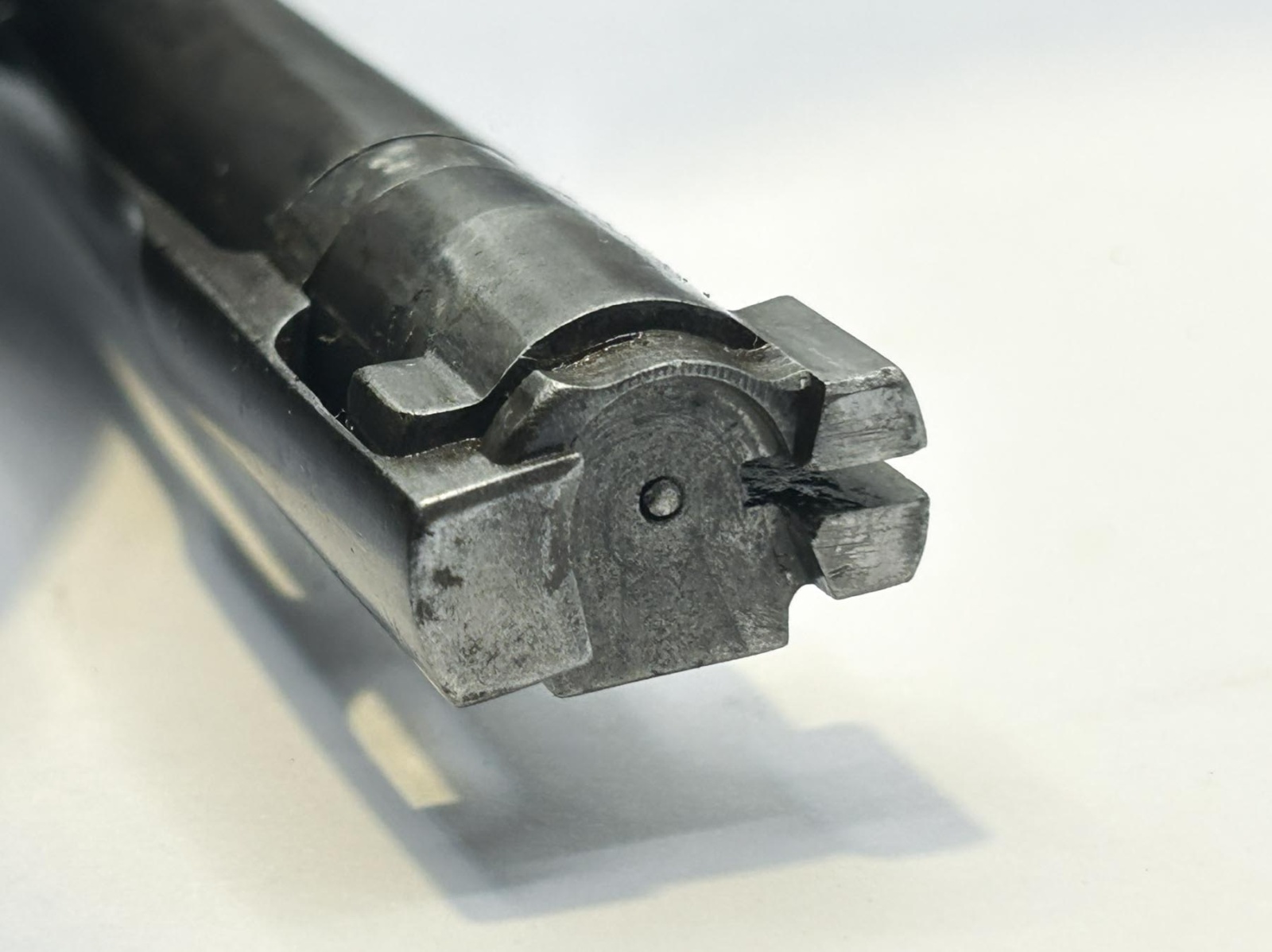
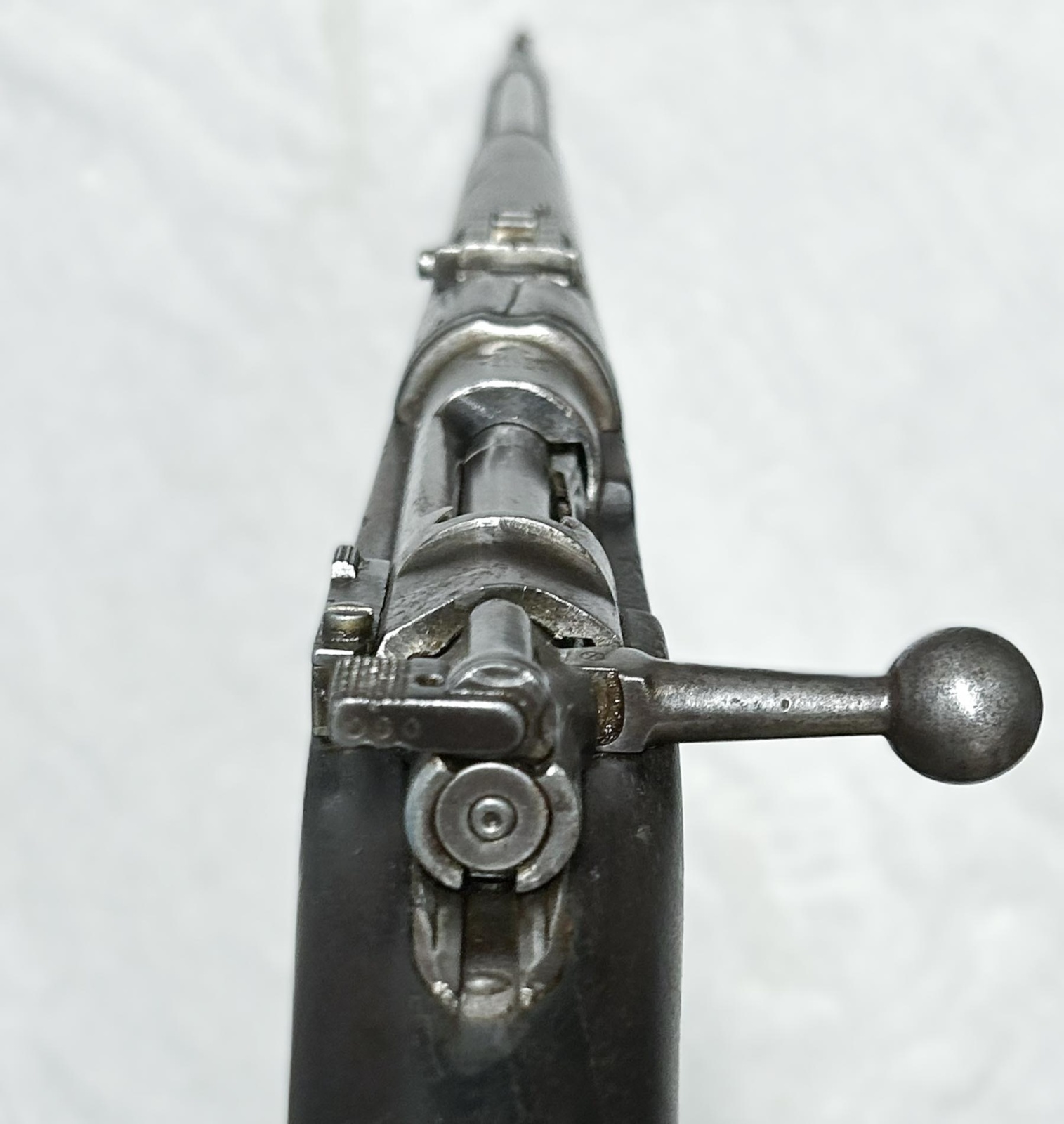
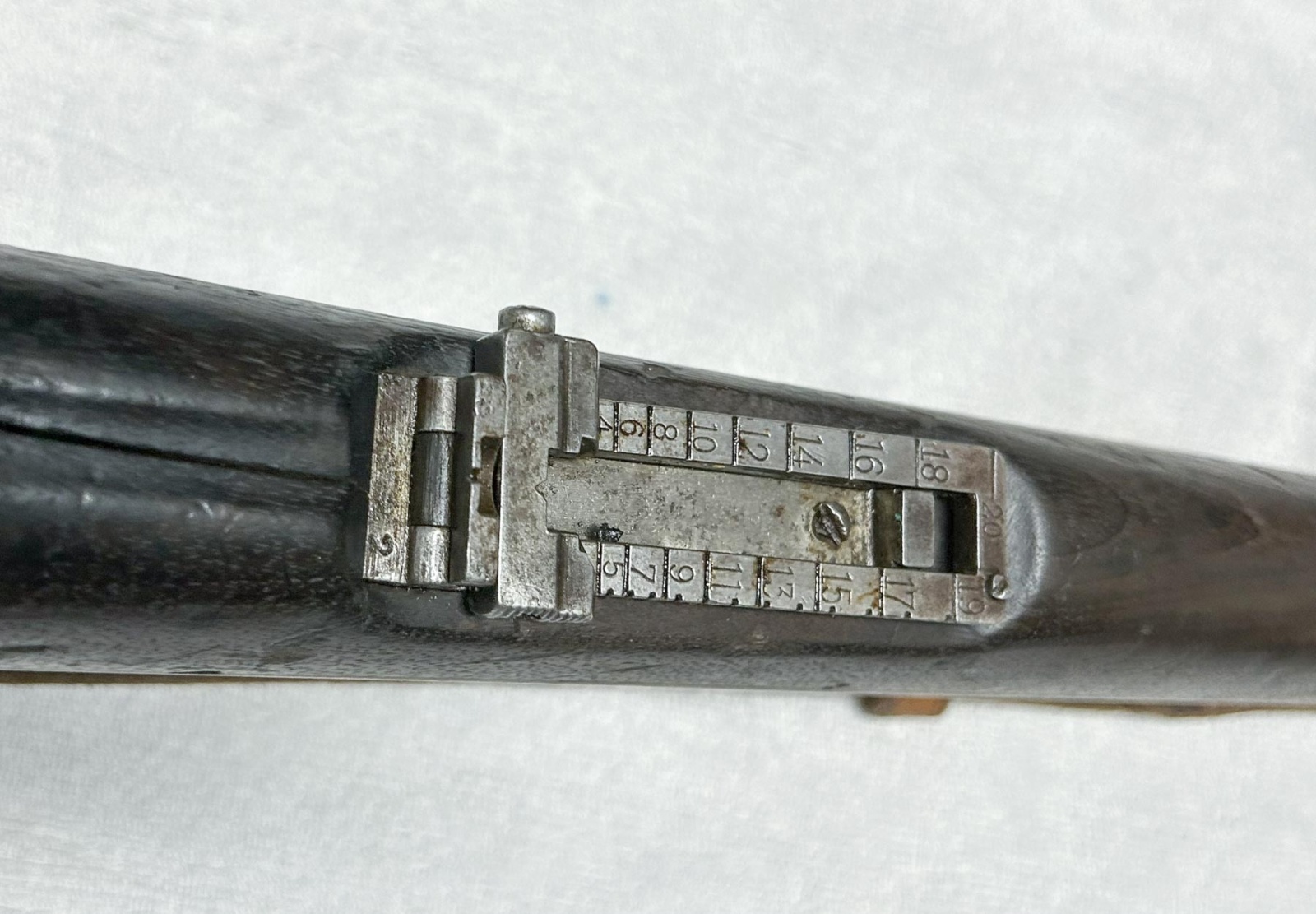
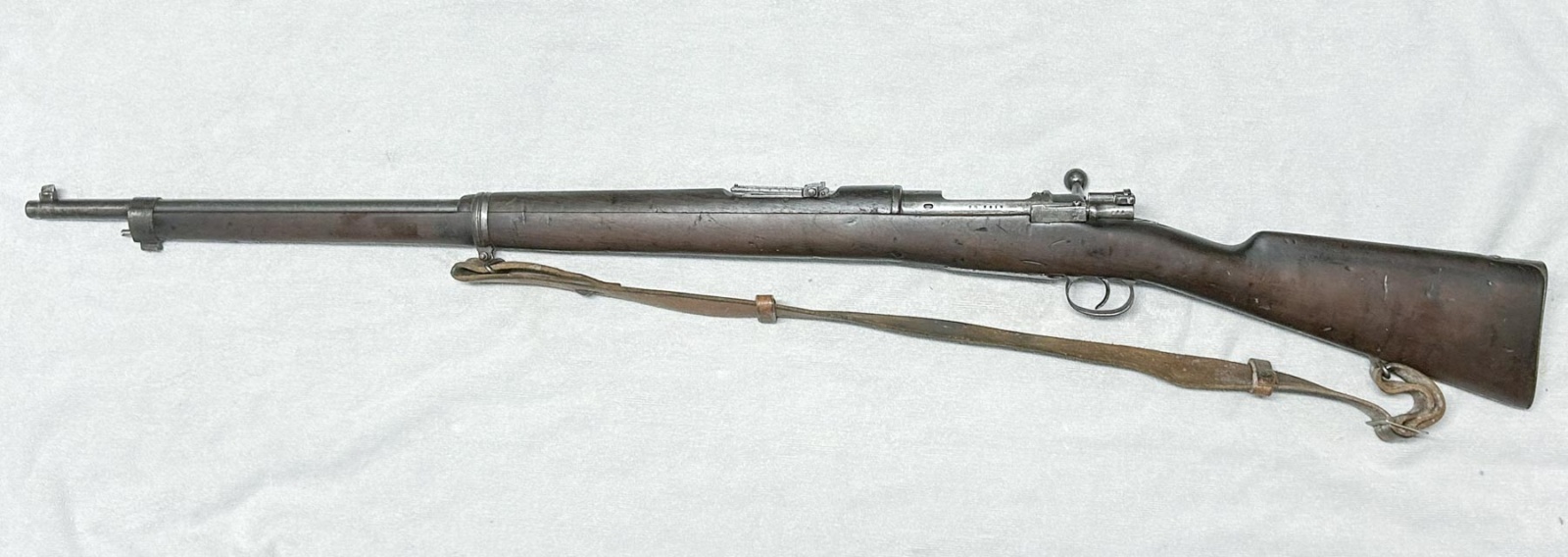
In keeping with the infantry rifle approach of the day, the Model 1893 was 48.6in (123.4cm) long and weighed 8.8lb (4kg). It also featured a two-stage trigger, and a combination ramp and ladder sight graduated to 2000m. The bolt had an innovative controlled round feed mechanism which became standard on all other Mauser rifle designs, including a squared-off bolt face bottom to maximise the area available for grabbing cartridges from the magazine (which was not used on any other Mauser designs).
German production began at Mauser in 1893, followed shortly afterwards by Ludwig Loewe & Co in Berlin and its successor, Deutsche Waffen und Munitionfabrik (DWM), with German production halting in 1899 following the introduction of the Model 1898 rifle.
Spain adopted the rifle on 7 December, 1893, placing an initial order with Ludwig Loewe for 70,000 infantry rifles and 5000 carbine versions (which featured an unusual, almost SMLE-like nose cap).
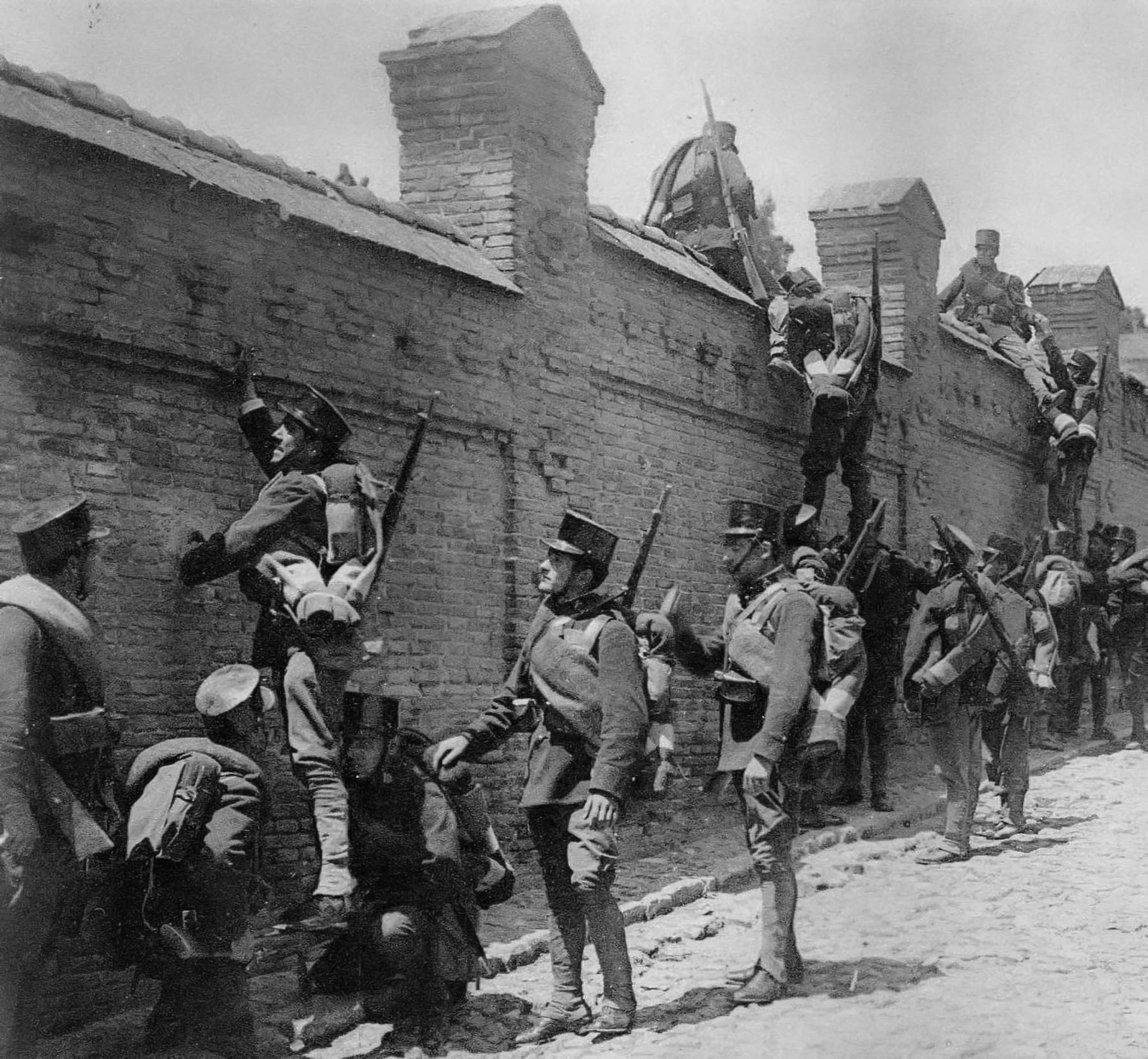
That contract was increased soon afterwards to 221,800 rifles and 27,500 carbines. A further 30,000 Model 1893 infantry rifles also ordered from Mauser in November 1895 and then 14,000 or so on top of that from Fabrique National in Belgium around March 1896, followed by another 40,000 from DWM. Those last three contracts were almost certainly due to large-scale armed uprisings in the Spanish colonies of Cuba and the Philippines.
The Spanish themselves began manufacturing the Model 1893 design under licence in 1896 at the Oviedo arsenal, which is where the overwhelming majority of Model 1893 Spanish Mauser rifles were ultimately produced.
Up until at least 1898, Spain also paid Mauser a royalty fee of 2 German marks per rifle (about AUD28 nowadays) – which was quite lucrative for Mauser, especially given Oviedo was making 10,000 rifles per annum by 1898.
THE SPANISH-AMERICAN WAR
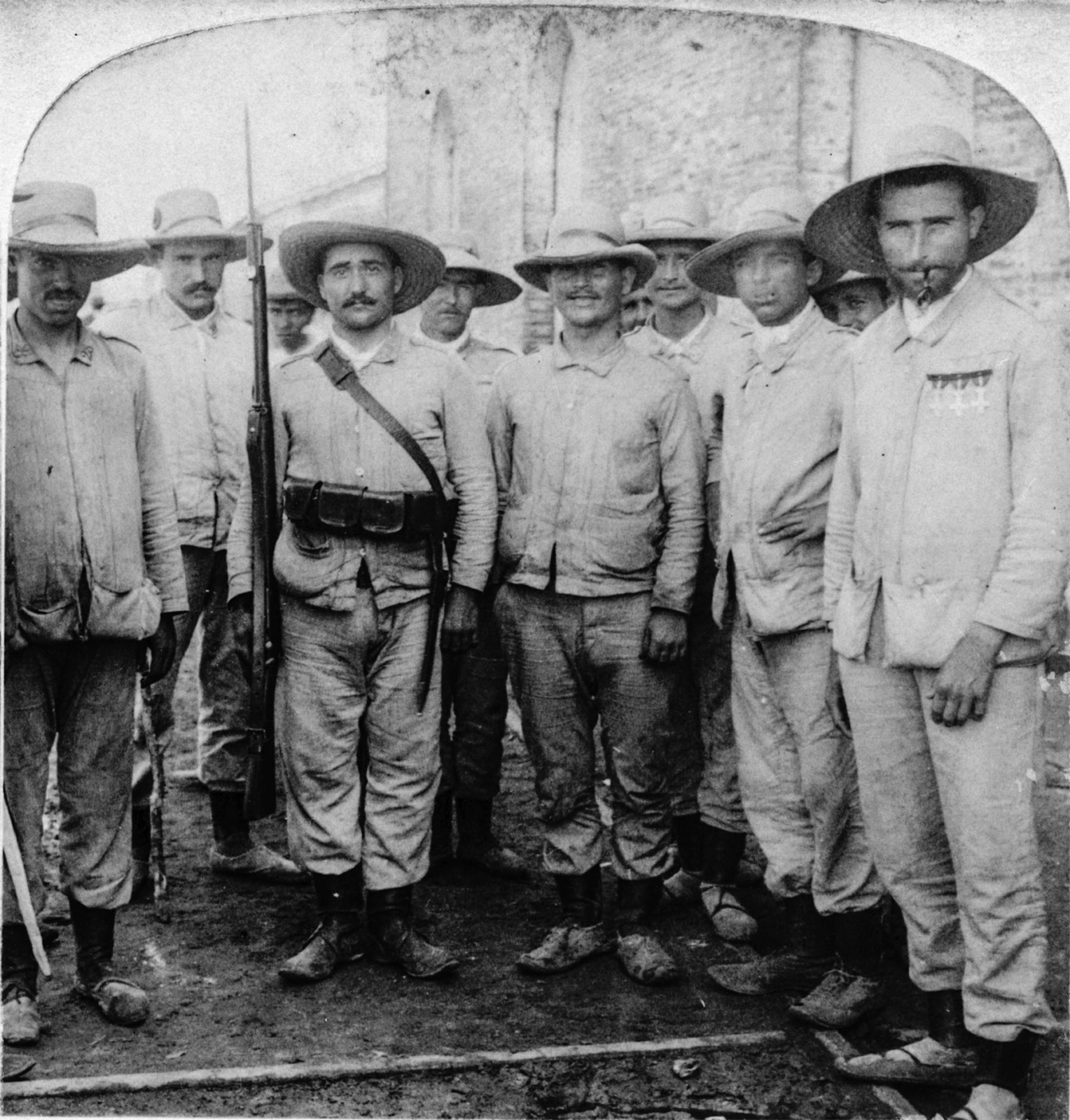
The first major military use for the Model 1893 rifle was during the Cuban rebellion from 1895, but the conflict which really made people take notice of Mauser rifle capabilities was the Spanish-American War in 1898.
The war, which was sparked after the American battleship USS Maine mysteriously exploded and sank in Havana harbour on 15 February, 1898, represented the first time that two industrialised nations had gone to war against each other while both armed with smokeless-cartridge repeating rifles.
The Spanish, as we’ve established, had the Model 1893 rifle, while the US forces were armed with the Model 1892 Krag-Jorgensen rifle, chambered for the .30-40 Krag round. There were also plenty of older black powder rifles used as well – Remington rolling blocks by Spain and Springfield trapdoor rifles by the US.
As the Americans discovered to their detriment, the Spanish Mausers outclassed their Krag-Jorgensen rifles. They were more accurate, had a longer range and could be reloaded much faster via charger clips than the Krags could be reloaded via their unusual side-feeding magazine.
This proved to be a devastating combination that inflicted shocking casualties on the Americans. While America convincingly defeated Spain in the war – gaining the Philippines, Guam and Puerto Rico in the process, as well as securing Cuban independence – they also took notes about the effectiveness of both the Model 1893 Mauser rifle and the 7x57mm ammunition it used, and immediately set to work on replacing the Krag-Jorgensen.
After studying the Model 1893 extensively, as well as the later Model 1895 and 1898, the US decided to adopt a Mauser-inspired design of their own: the Springfield M1903.
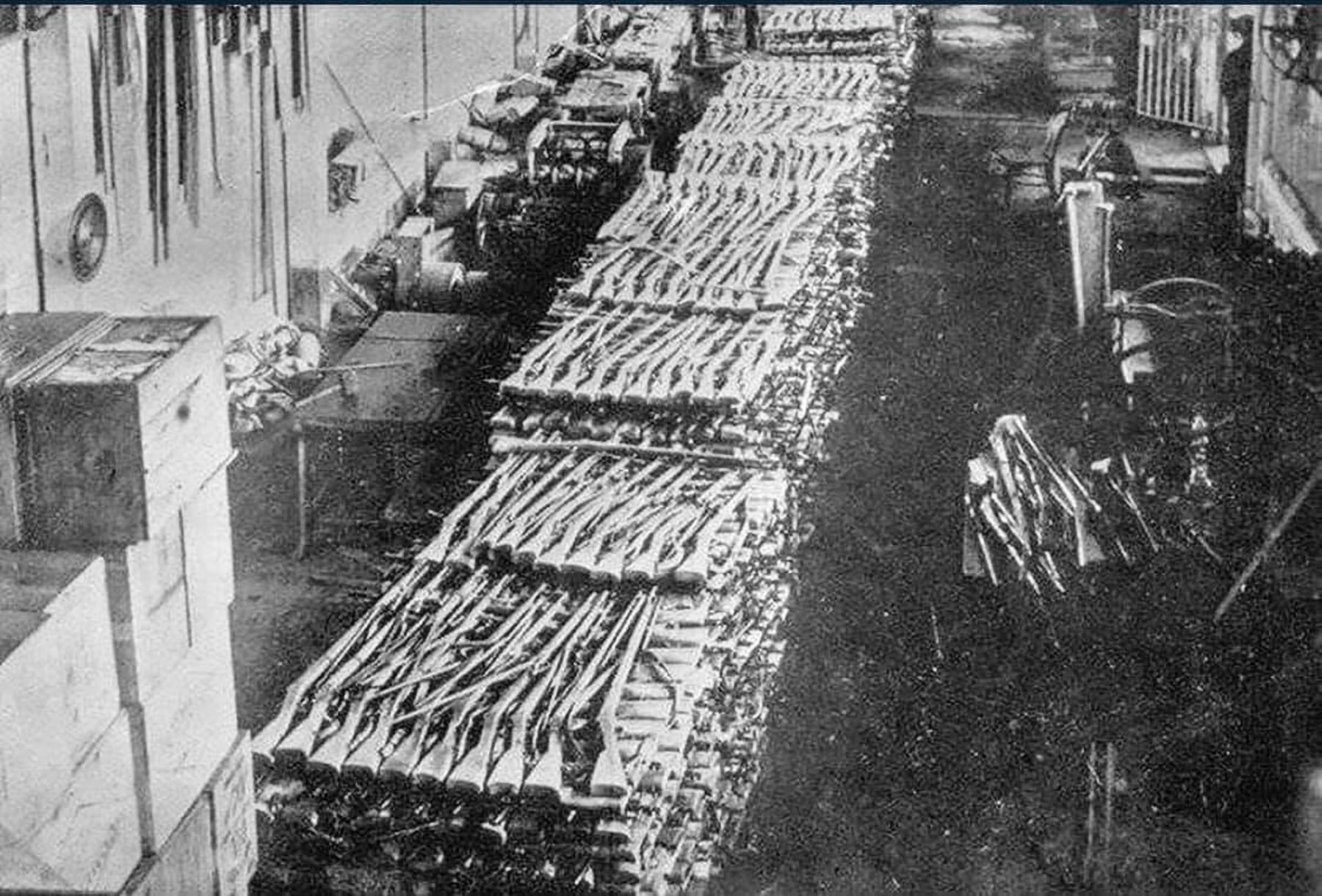
The defeated Spanish soldiers in the now-American (or independent) territories were allowed to leave with full “Honours of War”, meaning they kept their individual firearms and ammunition, as well as unit colours etc.
Even so, there were still literally tens of thousands rifles of various descriptions remaining in the Spanish colonial arsenals in Havana and Manila, as well as millions of rounds of ammunition for them, and the US government promptly shipped them back to the US and auctioned them off over the next five years.
Most – but not all – of these rifles ended up being purchased by prominent arms and militaria dealer Francis Bannerman, who was advertising captured Model 1893 Spanish Mausers (made by Ludwig Loewe & Co) in 1903 for $10 each (around AUD600 today), complete with cleaning rod. Bannerman bought so many of these rifles they were still being sold into the 1930s, and a large number are thought to have been sold to Honduras in the early 1900s by Bannerman as well.
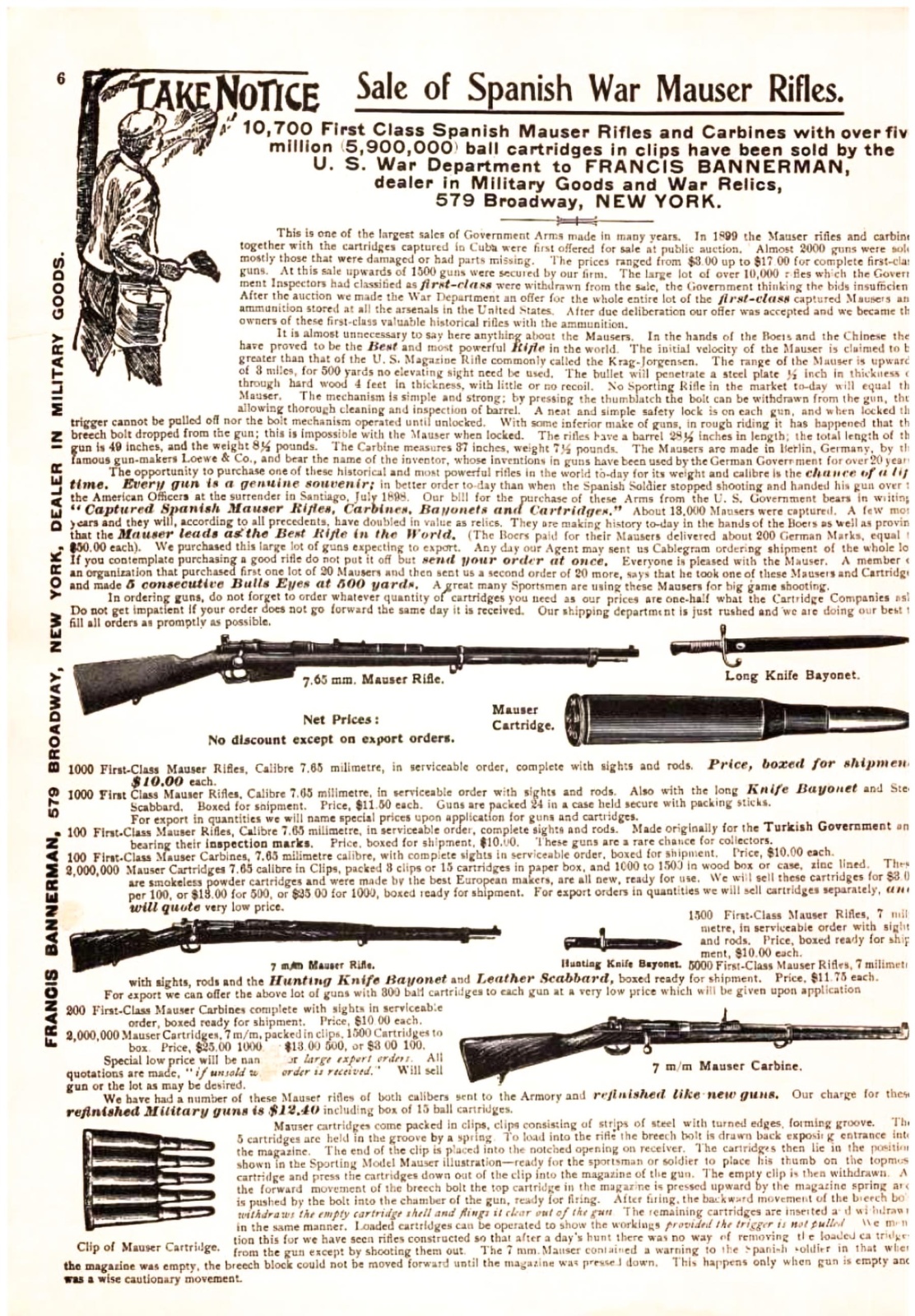
In addition to the as-issued rifles, Bannerman sporterised a number in the 1900s by cutting down the woodwork and re-bluing and refinishing the guns; these were being sold for $12.85 (around AUD735 or so today) in 1903 with 15 rounds of ammunition and a leather sling thrown in to sweeten the deal.
The Spanish surrender was not the end of American troops being on the receiving end of Model 1893 Spanish Mauser rifle-fire, however. Following the Treaty of Paris in 1899, in which Spain sold the Philippines to the US for $20m (about AUD1.25bn nowadays), Filipino nationalists, who had been fighting an independence war against Spain since 1896, turned their attention to the Americans instead. The main part of this conflict dragged on until ended with an American victory in July 1902, but some areas (notably the Moro people in the Southern Philippines) continued to forcibly resist the Americans until 1913.
Many of the Filipino fighters were armed with Spanish Mausers, often having been issued them in the first place by the Spanish or acquiring them in the immediate aftermath of the Spanish-American War.
THE MODEL 1916 CARBINE AND THE RIF WAR
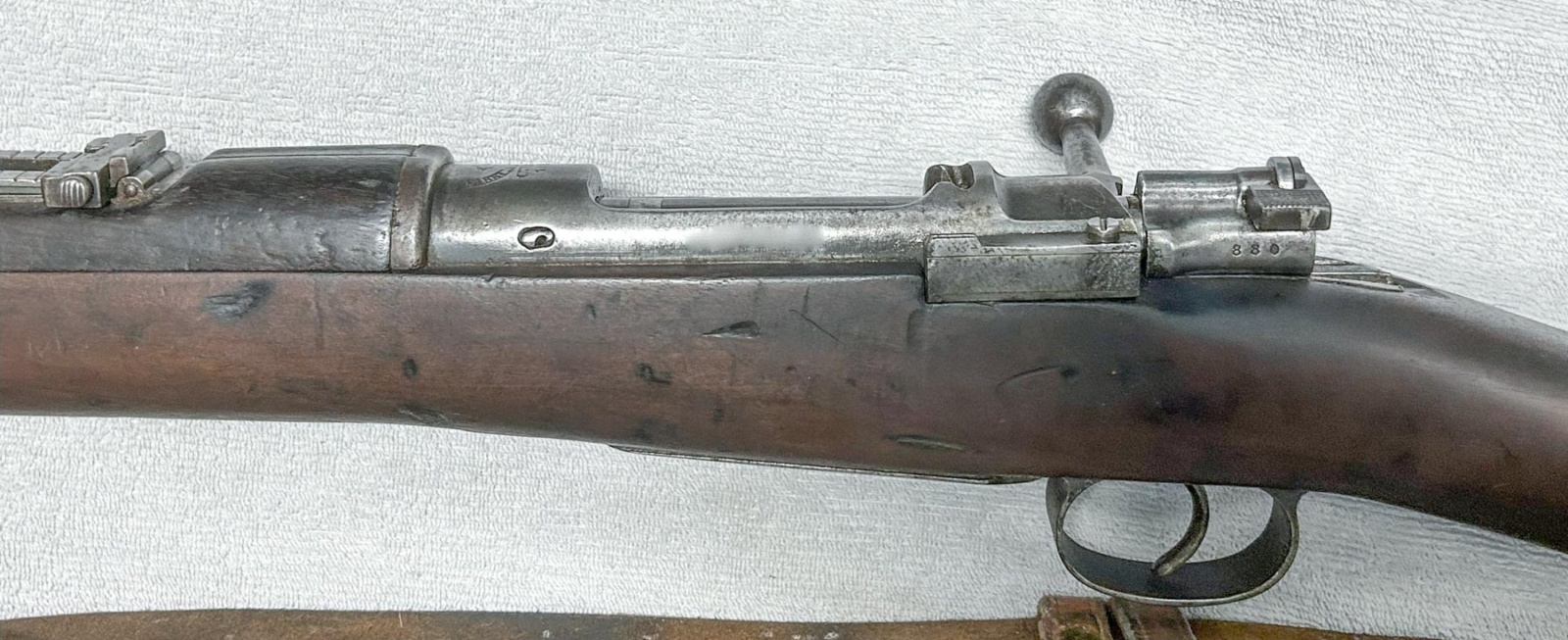
It was soon clear to the Spanish that a shorter rifle was needed for wider issue, and the Model 1893 was eventually redesigned to create the Model 1916 Carbine. This had the same action as the Model 1893, and fired the same cartridge, but featured a 21in (53cm) barrel, front sight protectors and a turned-down bolt handle.
Many Model 1893s were converted to the new pattern, but plenty weren’t, and production of the full-length rifle continued until at least 1928 and possibly until the end of the Spanish Civil War.
The Spanish military found itself increasingly engaged in armed conflict with the Berber tribes living in the Rif region of Spanish Morocco, and by 1921 it had escalated into a full-on war, which the Spanish won, with French assistance, by 1927.
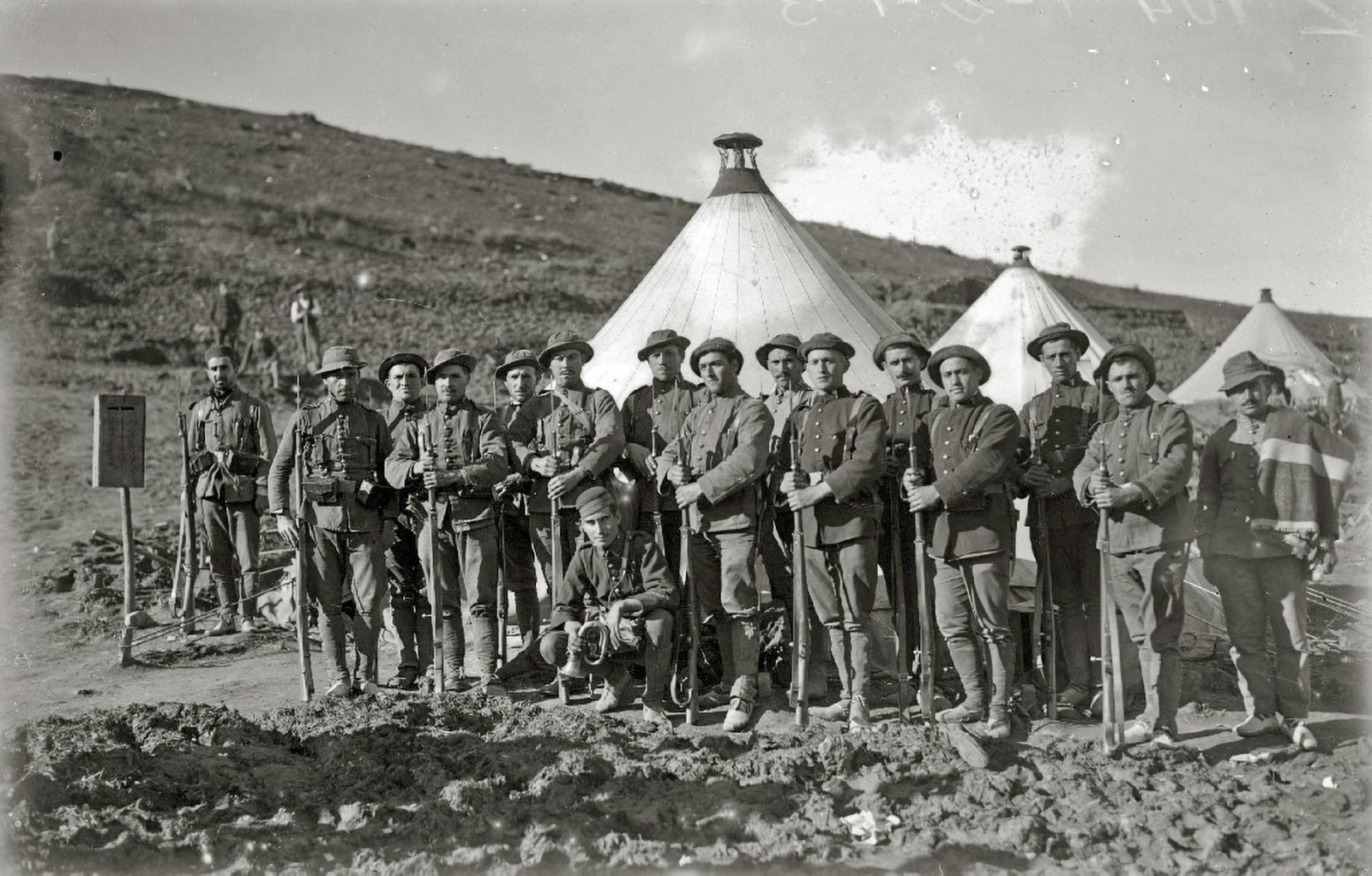
Spanish forces were armed with Model 1893 rifles, as well as smaller numbers of Model 1916 Carbines – and a lot of them made their way into Berber hands as well.
Around this time the Model 1893 design was modified slightly to include a gas escape port in the left-hand side of the action near the breech – one of the few changes the Spanish made to the rifle’s design during its service life.
THE SPANISH CIVIL WAR
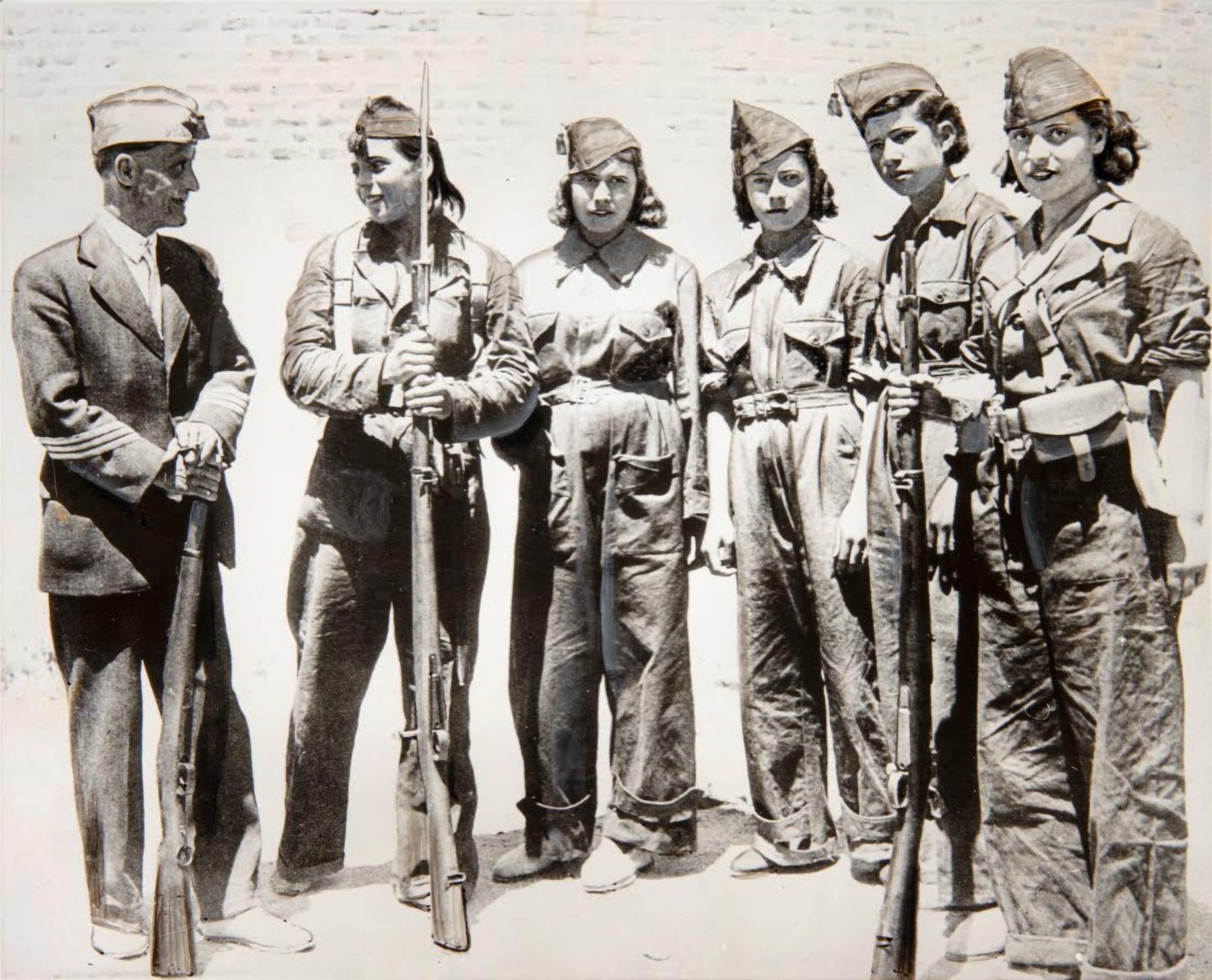
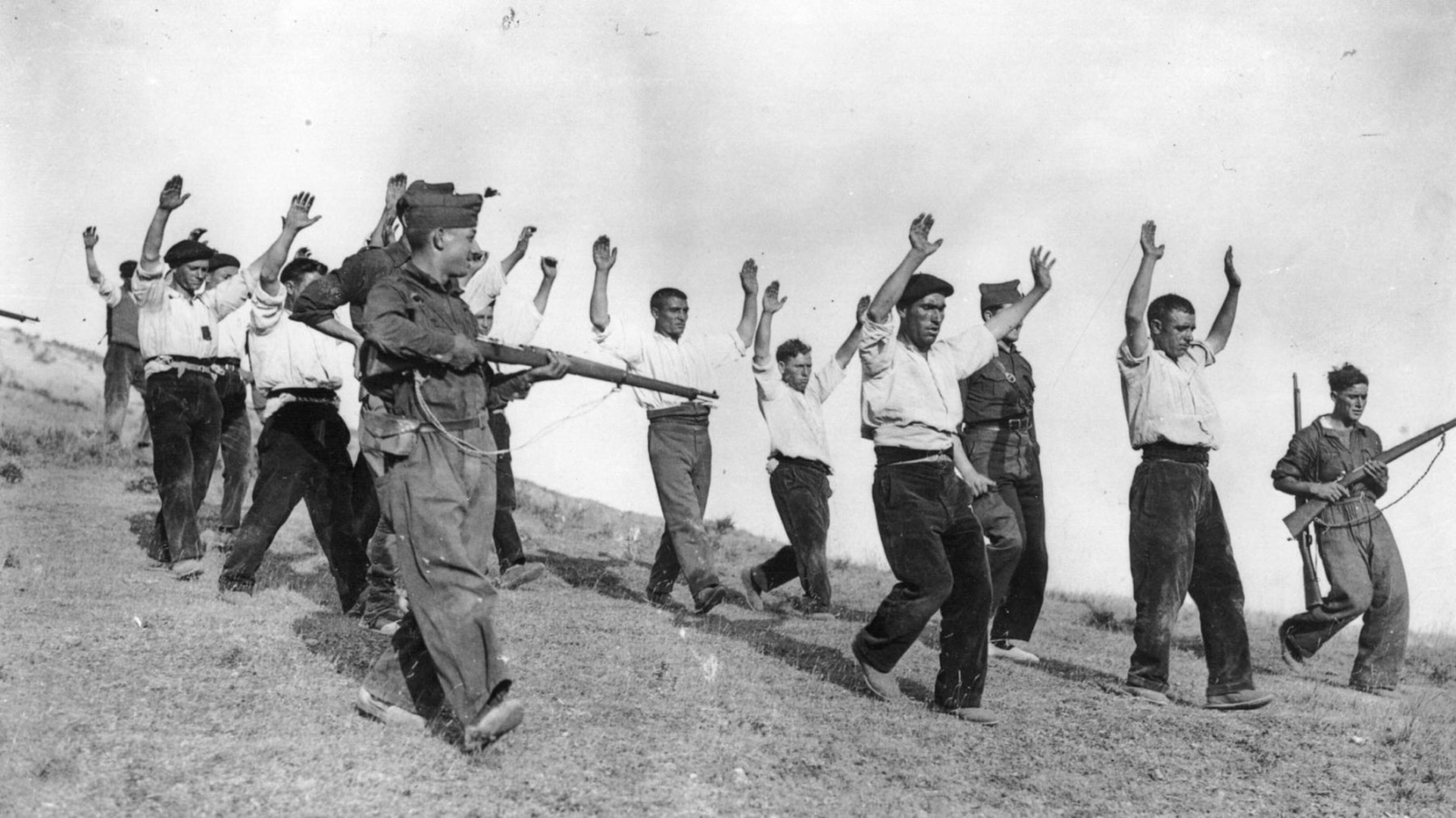
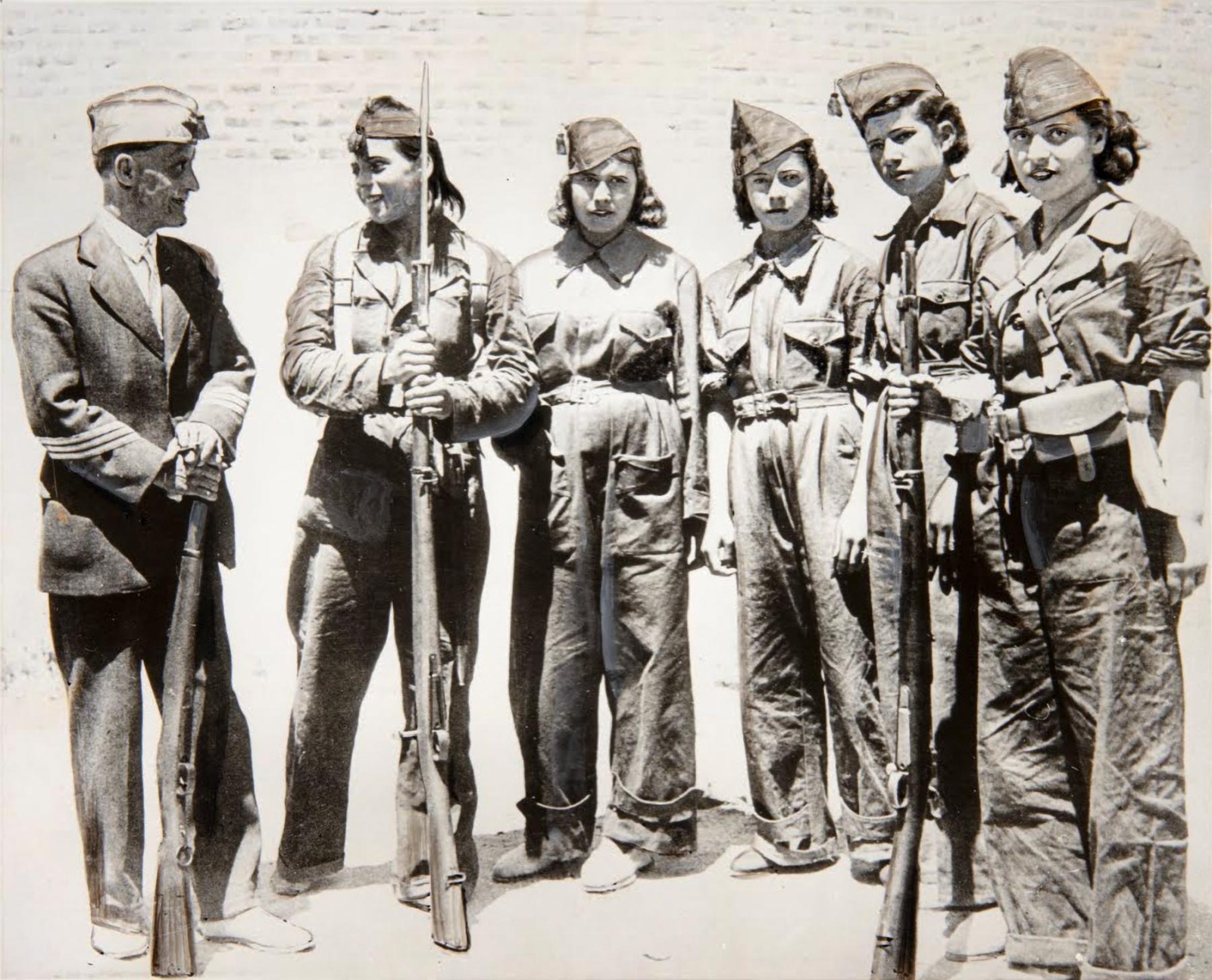
The Model 1893 rifle and the Model 1916 Carbine were widely used by both the Nationalists (led by General Franco) and Republicans during the Spanish Civil War (1936-39).
Nationalist forces used rifles produced at Oviedo Arsenal, as did many Republican forces, who had seized or captured large quantities of the rifle at the conflict’s outbreak.
The Republicans also set up facilities to produce their own arms and ammunition, under the umbrella label of Industrias de Guerra de Cataluña (“Catalonian War Industries” or “War Industries Commission of Catalonia”), with various workshops around the region making parts for the rifles which were then assembled at factory F-14; at peak of production there were nearly 280 staff there producing about 3000 rifles (mostly Model 1916 carbines) per month, as well as refurbishing various other arms including the Model 1893 rifles.
Following Nationalist victory in the war, production of the various Model 1893-actioned rifles and carbines ended in 1943, being replaced with the Model 1943 rifle in 7.92x57mm Mauser; essentially a copy of the Kar 98 being used by the Germans. Most of the Model 1893 and Model 1916 rifles still in armouries were then used by the Guardia Civil (the Spanish national Gendarmerie).
By the time production of the Model 1893 rifle and carbine ended at Oviedo, the arsenal had produced more than 500,000 rifles. From the 1950s, as Spain adopted a 7.62x51mm round, many of the Model 1916 carbines in storage were converted to the new round for Guardia Civil use.
THE OTTOMANS
The other major military adopter of the Model 1893 was Ottoman Turkey, which appears to have adopted the rifle pretty much simultaneously with Spain, albeit a slightly earlier version of the design.
The Model 1893 Ottoman rifle differed from its Spanish counterpart in having a magazine cut-off, which is not a feature found on any other Mauser rifle, and in being chambered in the 7.65x53mm Mauser round
Designer Paul Mauser visited Ottoman Turkey in 1893 and showed the Sultan an example of the new rifle he was working on – which was incorporating requests from Spain and Sweden – and the Sultan was so impressed with what he saw, the Ottomans ordered 200,000 Model 1893 rifles in December of 1893, chambered for the same round as their existing Model 1891 Mauser rifles.
These Turkish Model 1893 rifles were still in service during WWI and were widely used by the Turkish soldiers fighting the ANZACs at Gallipoli, as well as elsewhere in the Middle Eastern Campaign of the war. As a result, the Australian War Memorial in Canberra has a number of examples in its collection.
SHOOTING THE MODEL 1893 SPANISH MAUSER
The Model 1893 is the forerunner of the “modern” military bolt-action rifle, and besides its own wide-spread use, directly led to the Model 1896 Swedish Mauser and the Model 1898 Mauser and its many variants, and even indirectly to the Springfield M1903 rifle.
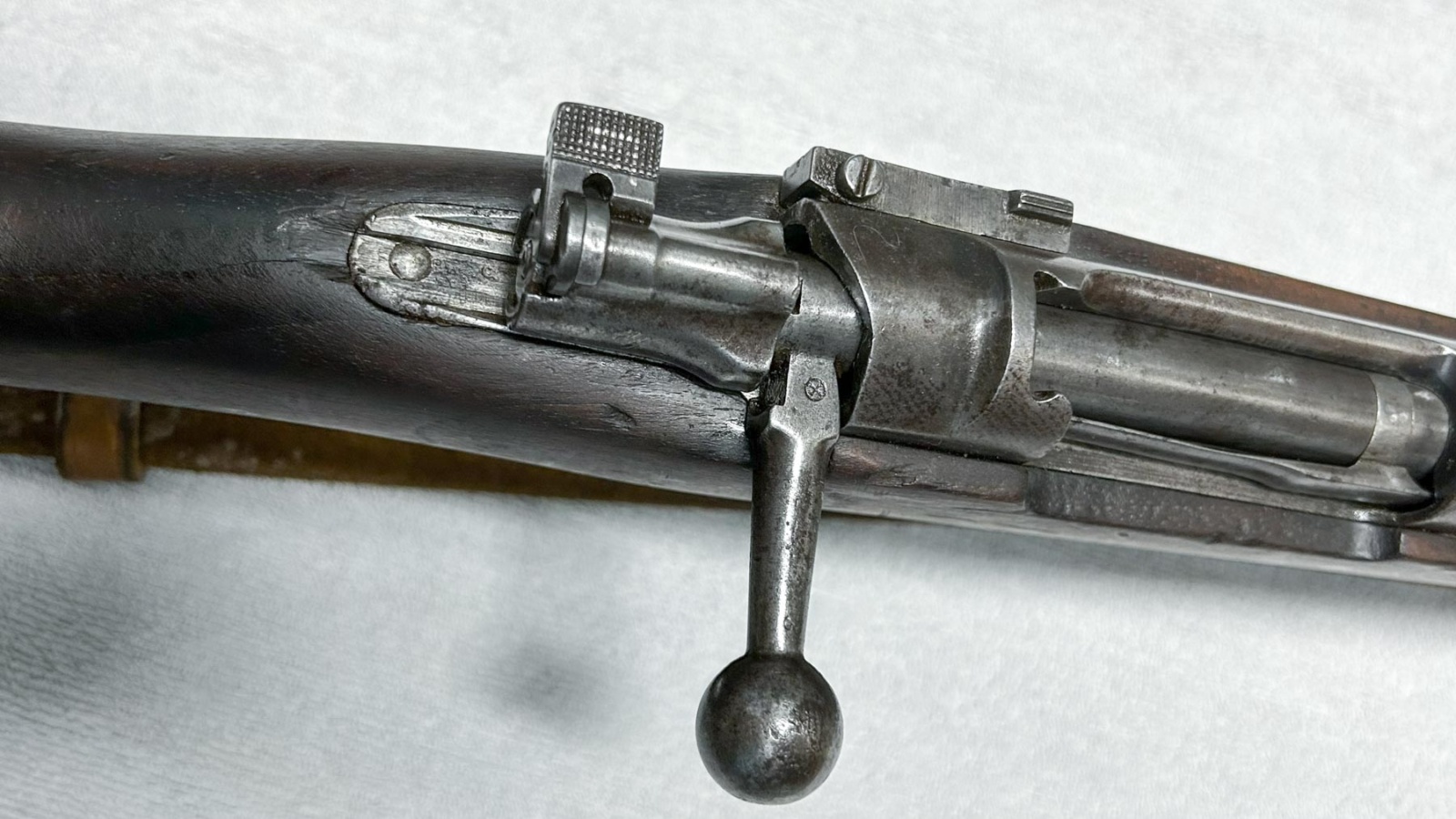
In handling and recoil the Model 1893 Spanish Mauser is very similar to the more common Model 1896 Swedish Mauser rifle. They both have cock-on-closing straight-handle bolt actions, are similar lengths, and fire centrefire cartridges with modest recoil, loaded via five-round chargers.
Despite being a long rifle they still balance well, and the bolt action is smooth and reliable. The rifles are famously accurate and that reputation is rightly deserved.
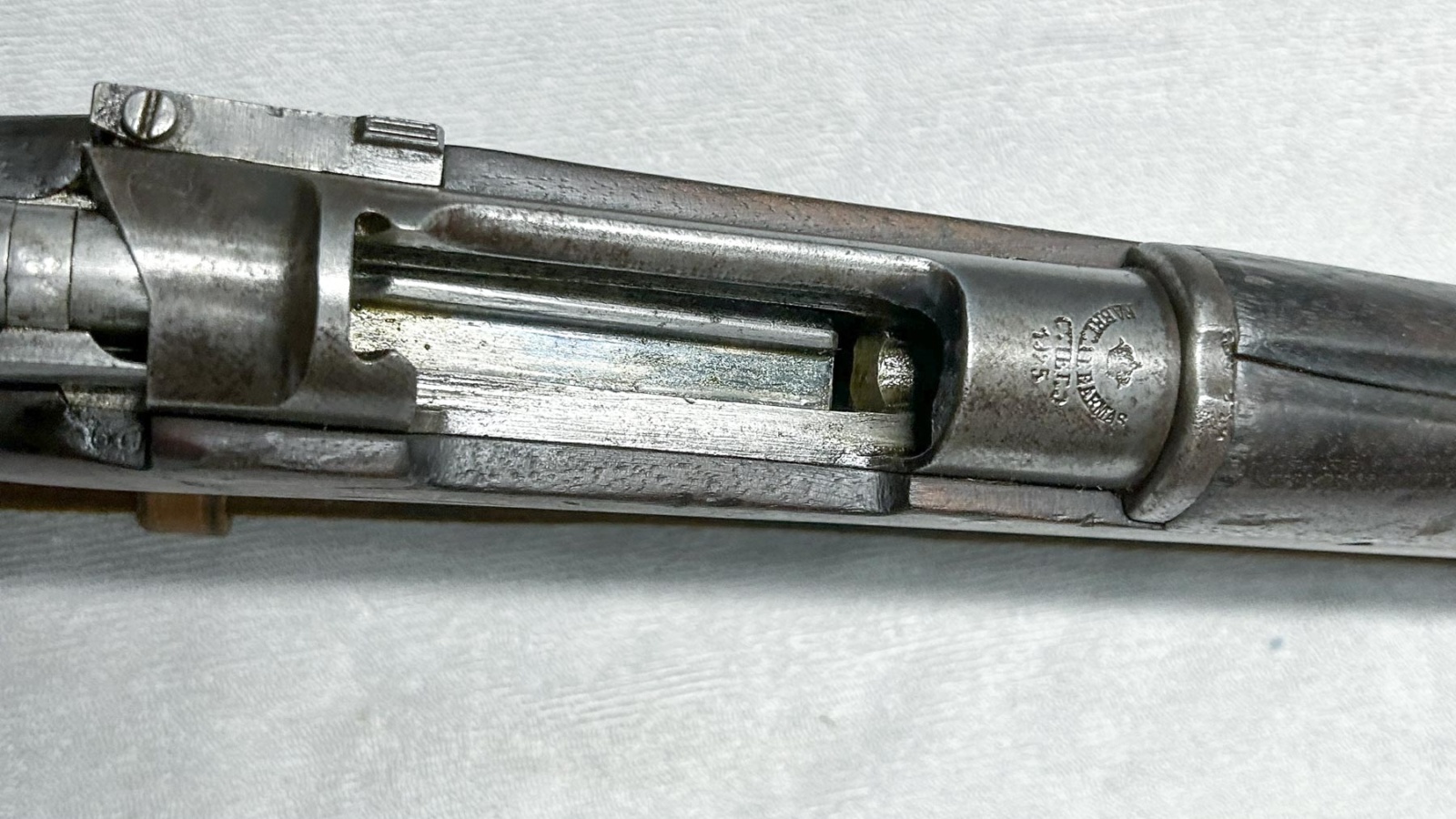
The length of the Model 1893 means it’s not going to be most people’s first choice as a hunting rifle, but they are very suitable for Service Rifle and Classic Cartridge matches, as well as similar target shooting situations.
The 7x57mm cartridge, however, is extremely capable for hunting as well as target shooting – people have bought down elephants with it – and unlike 6.5×55 Swedish, it is also legal for hunting Sambar, Rusa and Red deer in Victoria. 7x57mm ammunition is still available commercially (although with PPU not currently exporting, it is generally very expensive), and the cartridge is easy to reload for as well.
Outside the US, nearly all the Spanish Model 1893 Mauser rifles encountered come from Francoist Spain selling off its stockpiles of obsolete weapons from the early 1960s, following the adoption of the CETME assault rifle.
Even though more than 750,000 Spanish Model 1893 Mauser rifles are thought to have been made, they are extremely uncommon in Australia. A few of the 7.62x51mm converted Spanish rifles, particularly the Guardia Civil M1916s and their further modification, the FR-7 rifle, have appeared from time to time, and caution is advised when shooting these.
The Model 1893 and 1916 were originally designed for 7x57mm Mauser, which operates at around 45-50,000psi. The 7.62x51mm CETME round they were rechambered for operates at the same pressures while milspec 7.62x51mm NATO ammo runs to around 58,000psi and commercial .308 Winchester is around 62,000psi.
The safest thing to do is handload cartridges for these rifles and keep the pressure low.
FURTHER READING
Mauser Military Rifles of the World by Robert WD Ball remains the standard reference text on all things Mauser rifle (including the Model 1893 Spanish Mauser), and the C&Rsenal team have also put together an excellent deep-dive video into the subject as well.
Spanish firearms generally are an under-studied field in arms research and collecting. There are still quite a few gaps in the available accurate information on the Model 1893 Spanish Mauser in the period after the Spanish-American War, which is surprising given the large numbers of these guns on the surplus market overseas and their incredibly significant influence on military rifle design before WWI.
There are no Spanish production records that have surfaced, to the point where no-one seems exactly sure when production even ended. Some sources say 1928, others say sometime during the Spanish Civil War, and others say 1943 when the Kar 98-derived rifle was adopted.


0 Comments