




Believe it or not, Germany’s first magazine-fed, smokeless-cartridge military repeating rifle was not a Mauser.
In 1886, France surprised the world by introducing the first military rifle firing smokeless cartridges, the Lebel M1886. Overnight, every other military rifle on the planet was effectively obsolete.
There was a mad panic throughout the remainder of the 19th Century as the other major powers scrambled to develop and adopt repeating rifles using smokeless cartridges.
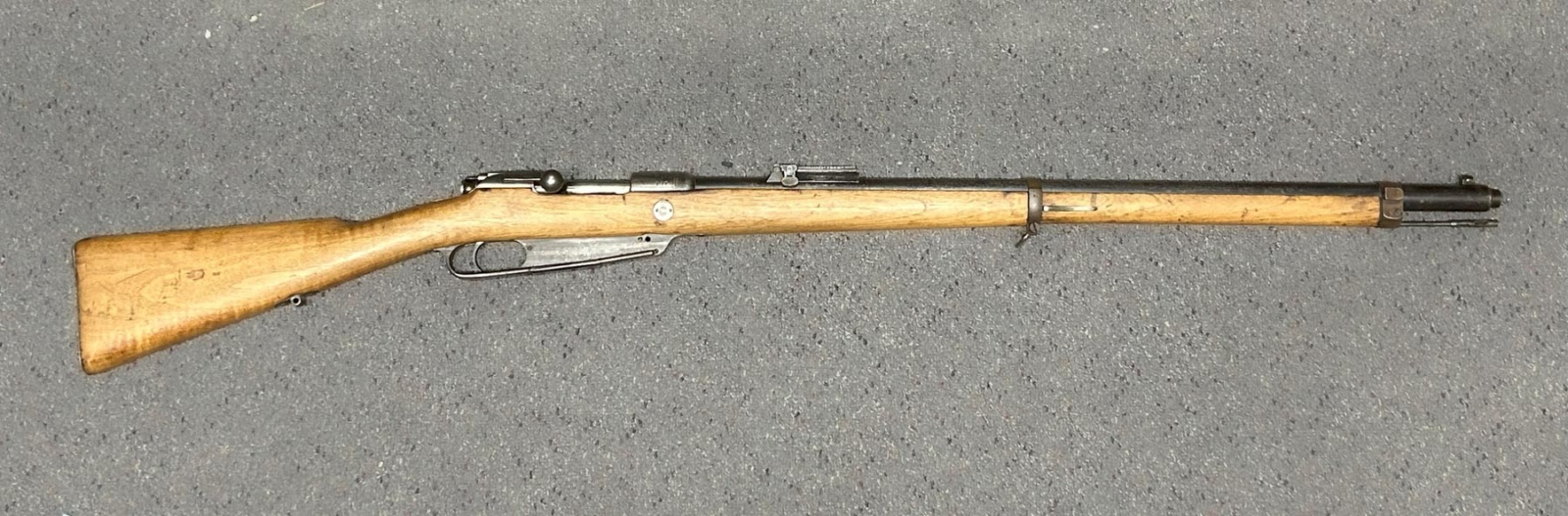
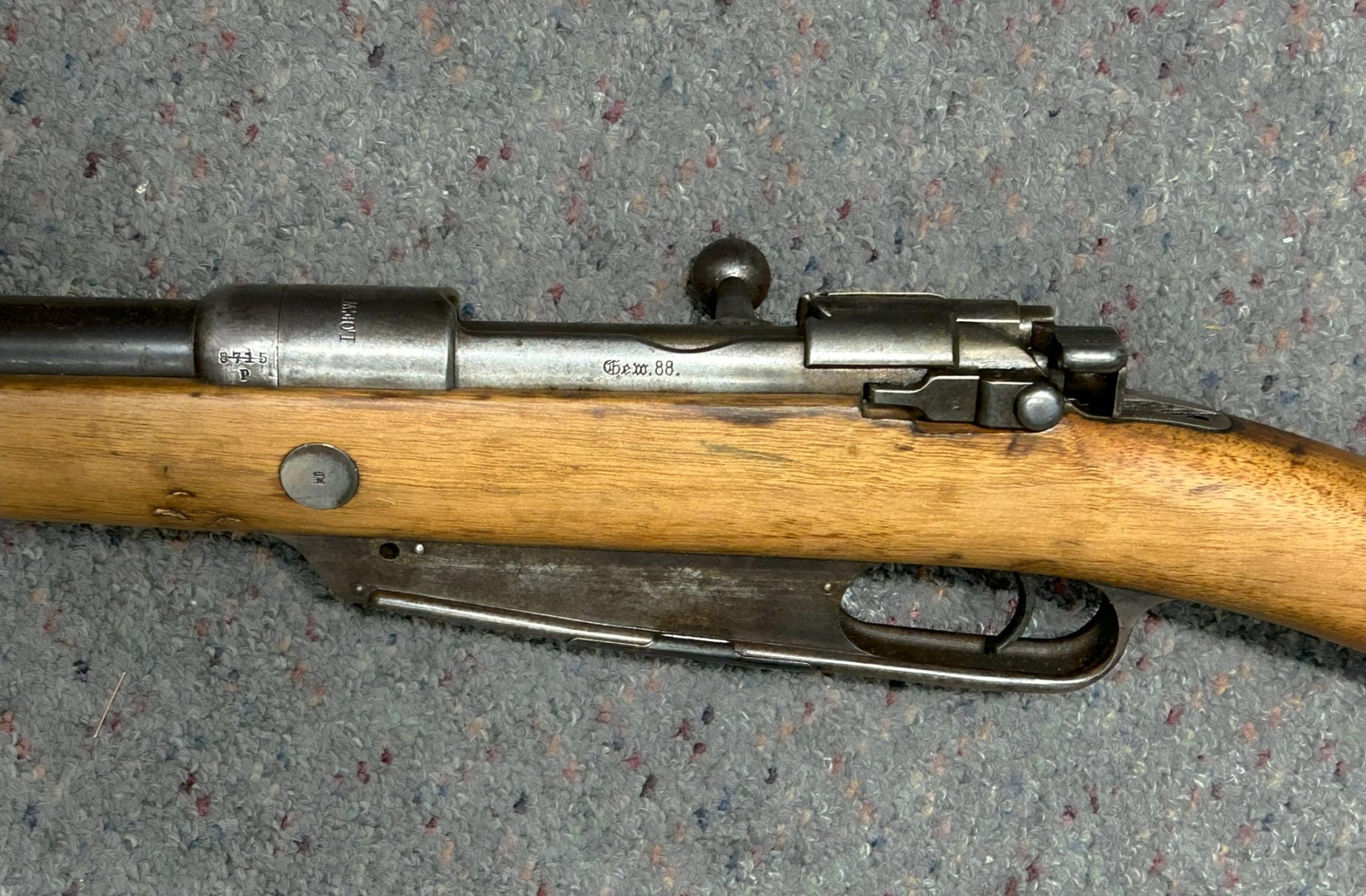
The German contribution to this arms sprint was the Gewehr 1888, abbreviated to Gew 88 and also known as the Model 1888 and Commission Rifle because — as I alluded to in the opening paragraph — it’s not actually a Mauser.
The German Rifle Testing Commission was set up for the purpose of developing and introducing a “modern” smokeless repeating military rifle, and it adopted this new rifle in 1888.
The Gewehr 88 is an interesting hodge-podge of ideas, including the barrel from the Lebel M1886, an action inspired by the Mauser 1871/84 repeating rifle, and the magazine from a Mannlicher design.
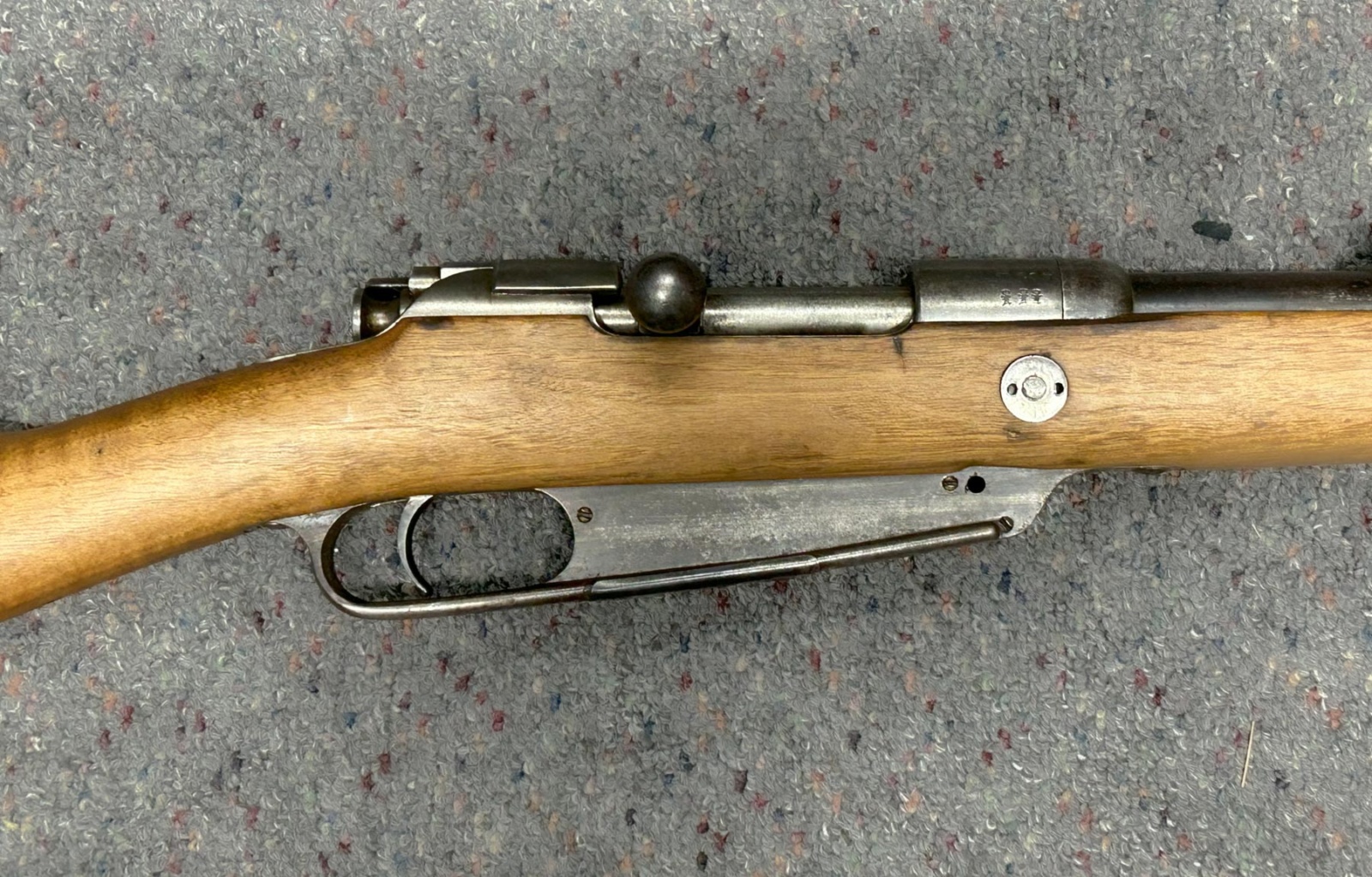
The rifle also featured a metal barrel shroud, designed to aid with free-floating the barrel as well as protecting the firer’s hands if they grasped the barrel after it had heated up from shooting.
The design certainly looked good on paper, but it had some glaring issues once produced and issued to soldiers, chief of which was the fact it was possible to remove the bolt-head from the bolt, yet still insert the bolt, chamber a round and fire the gun!
This was extremely dangerous, as the lack of bolt-head meant no case-head support, and with no gas-venting ports, the gases would be blown straight back into the firer’s face.
Model 1888 rifles were made by what seems like every major German arms manufacturer except Mauser.
The major manufacturers were the Government arsenals at Spandau, Danzig, Erfurt and Amber, as well as the companies Ludwig Loewe & Co, Haenel and Steyr.
A major upgrade to the Gewehr 88 rifle took place in 1905, when it was modified to load via charger clips, the same as the Gewehr 98 and most other military rifles of the time, and the chamber was tweaked slightly to ensure it could chamber the spitzer-projectile 7.92x57mm IS “S Patrone” ammunition adopted by Germany a few years previously.
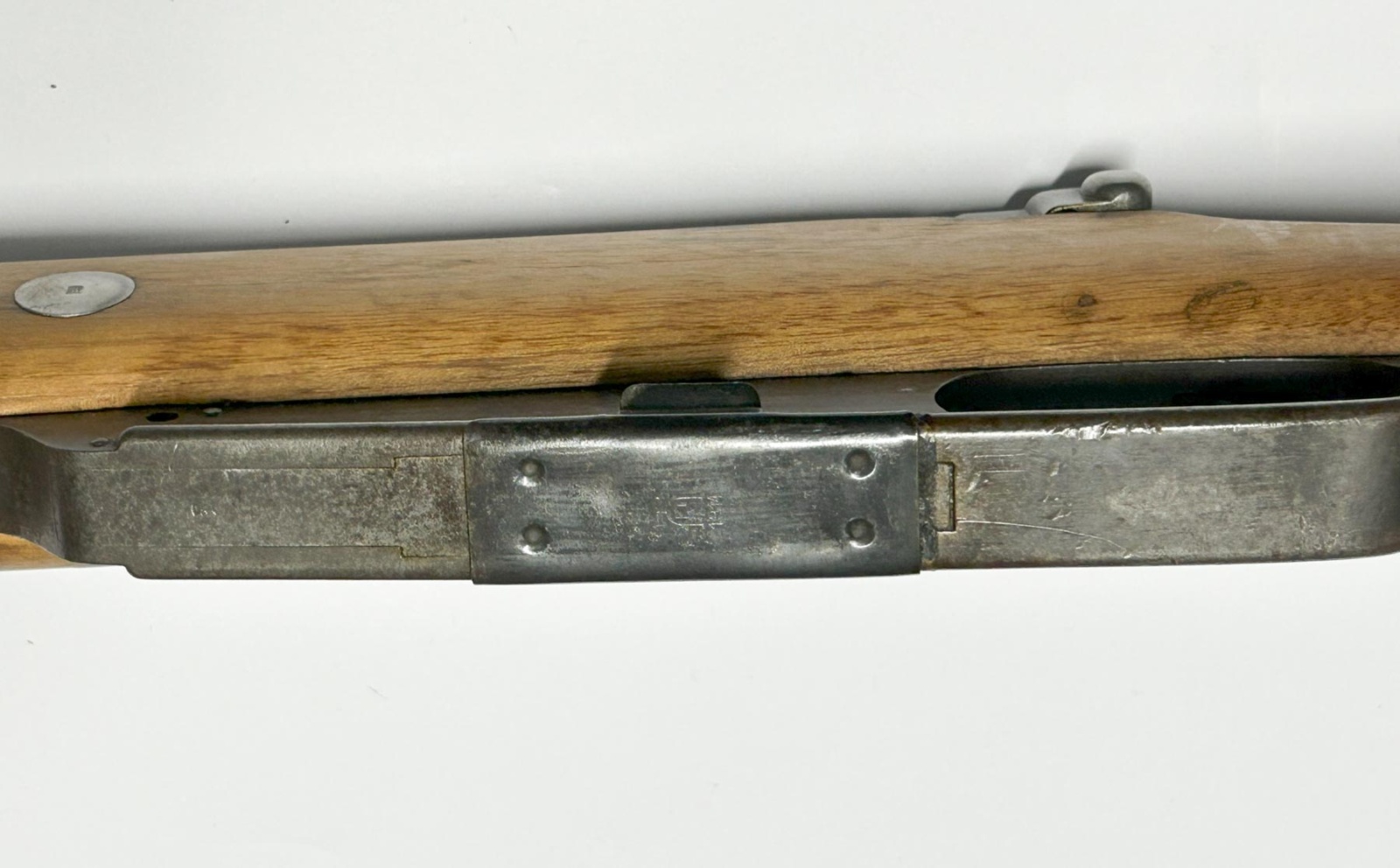
Charger clip guides were riveted onto the action, a cover was clipped to the bottom of the magazine well (as there was no longer an en-bloc clip falling out when it was empty) and a notch was cut in the rear of the action top to allow the ammunition — particularly the slightly longer Patron 88 rounds — to load into the magazine via the charger clips.
Rifles so converted have an “S” stamped on top of the action, indicating “Spitzer”. However, their barrels were left as they were — generally .321” diameter, which was a bit smaller than that used on the Gewehr 98 rifle (.323”).
These upgraded rifles are known as the Gewehr 88/05 (or Gew 88/05), referring the year the upgrade program was instituted.
As WWI started, the need to convert more rifles to charger-loading and .323” rifling was very apparent. The firm of Venus Waffenfabrik developed a slightly different process for adding the charger clip guides, which involved welding and filing rather than riveting, and it received a contract to convert them.
This rifle, known as the Gew 88/14, is incredibly rare nowadays. The rifles were not treated well during the conversion process and many are reported to have been returned to their units in worse condition than before they went away for upgrading. They were generally in such average condition afterwards they were shipped off to German allies as war aid or scrapped for parts.
Even though the Gewehr 98 rifles had a .323 rifling, the 7.92x57mm IS “S Patrone” ammunition used during WWI had a 154gn spitzer projectile and would work safely in both rifles due to having a smaller bearing surface.
However, the adoption of the “SS Patrone” cartridge, using a 197gn projectile, in the 1930s did pose some issues, as the longer bearing surface meant the rifling needed to be deepened or the barrels replaced. Many rifles did have this work done, and are generally marked with a “Z”; these rifles could safely use any 8mm Mauser military ammunition at the time.
Due to a dispute over patent rights on the magazine design, Steyr (based in Austria) was granted the ability to produce the Gew 88 commercially and for export. The company made a number of hunting rifles on the action, and also sold numbers of the military configuration to Latin America, particularly Ecuador.
A number of carbine models were also made in the 1890s, featuring 17” (44cm) barrels and a nosepiece vaguely reminiscent of an SMLE, as well as a distinctive turned-down bolt-handle.
It’s hard to convey just how quickly the Model 1888 rifle was rendered obsolete by other German rifles. This is largely why production of the gun only lasted from 1889 to 1899 in Germany and Austria.
Five years after the Gewehr 88 arrived, Mauser introduced its famous Model 1893, which was immediately adopted by Spain and the Ottoman Empire. The Mauser Model 1896 rifle was adopted by Sweden, and then Mauser Model 1898 proved to be such an incredible design it basically became the standard infantry rifle in some form or another for most of the planet for the next 50-odd years and is still being used as a hunting rifle action today.
Despite this, somewhere in the region of 2-3 million Gewehr 88 rifles were manufactured, although different sources give different numbers and it is unclear if some of the larger figures include Hanyang Type 88 production in China (more on that shortly).
The rifles remained in German and Austrian service right through WWI, with some even being pulled out of the armouries to arm Volksturm militia units in the closing days of WWII.
Much like the SMLE in Australia and the Springfield M1903 in the US, many Gewehr 88 rifles were also converted to civilian sporting arms, although these are not commonly encountered today.
OTTOMAN USE
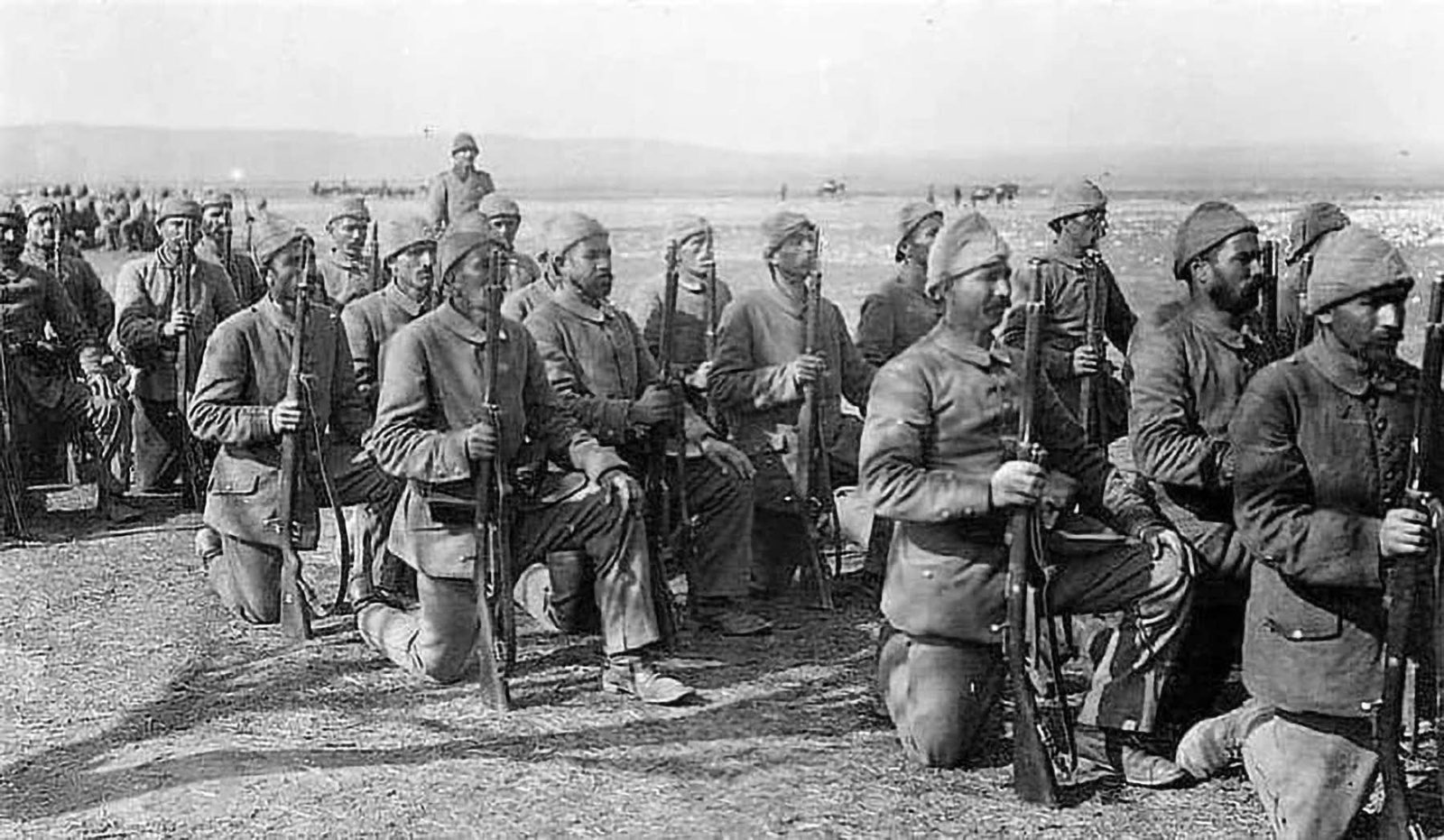
The Ottoman Empire joined the Central Powers of WWI at the end of October 1914, and soon needed a lot of rifles to arm its expanding military.
Germany, whose production of Gewehr 98 rifles had finally caught up to domestic needs around 1916, offered its stocks of Gewehr 88/05 rifles as military aid to the Ottomans, who gladly accepted the offer.
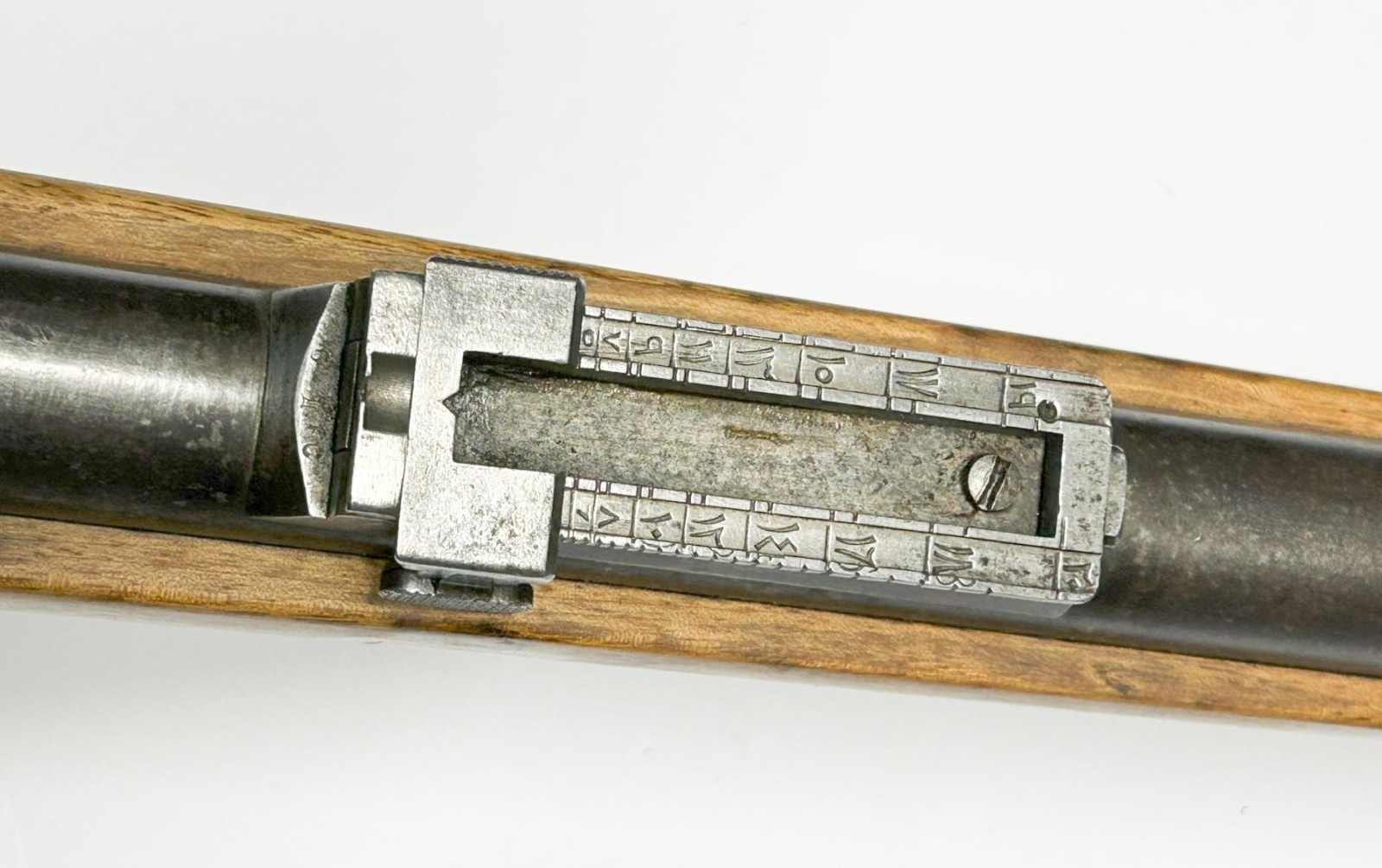
The Germans ground the Arabic numeral range markings off these rifles and re-stamped them with Turkish (Eastern Arabic) numbers, but otherwise left the rifles as they were in German service.
About 130,000 Gewehr 88 rifles (Mostly Gew 88/05) were shipped to Turkey between 1916 and November 1918, and again after the Treaty of Versailles limited German arms stocks, another 20,000 of the rifles were sold to the Ottoman Empire, with many of the spare parts in inventory being sold to CZ in Czechoslovakia.
In the late 1930s, with World War II clearly on the horizon, the Republic of Turkey looked at its collection of rifles and realised an overhaul was in order to develop some kind of standardisation. The Geweher 88/05 rifles in its arsenals were modified again by having their barrel shrouds removed, their stocks replaced with something similar in profile to that of the Kar98 rifle, and any worn out or damaged parts (especially barrels and bolts) replaced with parts obtained from Czechoslovakia.
The rear sights were scrubbed again, and then re-stamped with the Arabic numerals used in the Western world; and often the German manufacturer’s names and dates were also scrubbed and replaced with the Turkish crescent star emblem and name of the arsenal (often Ankara) where the conversion were undertaken; these rifles have subsequently become known as the Gewehr 88/05/38, or Pattern 38.
Many Turkish rifles have ended up on the military surplus market, and are generally the most commonly encountered, particularly in Australia.
CHINESE PRODUCTION
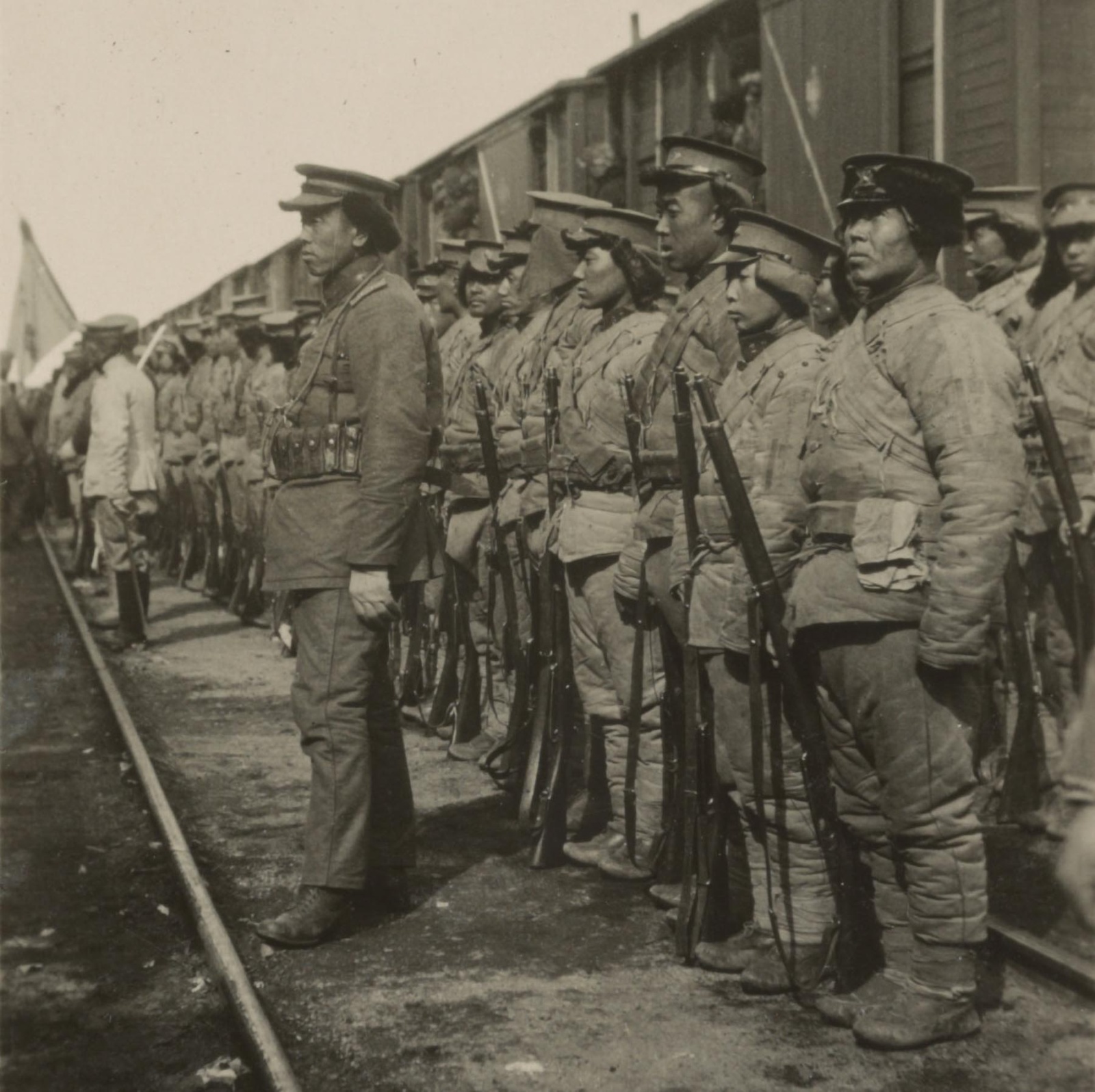
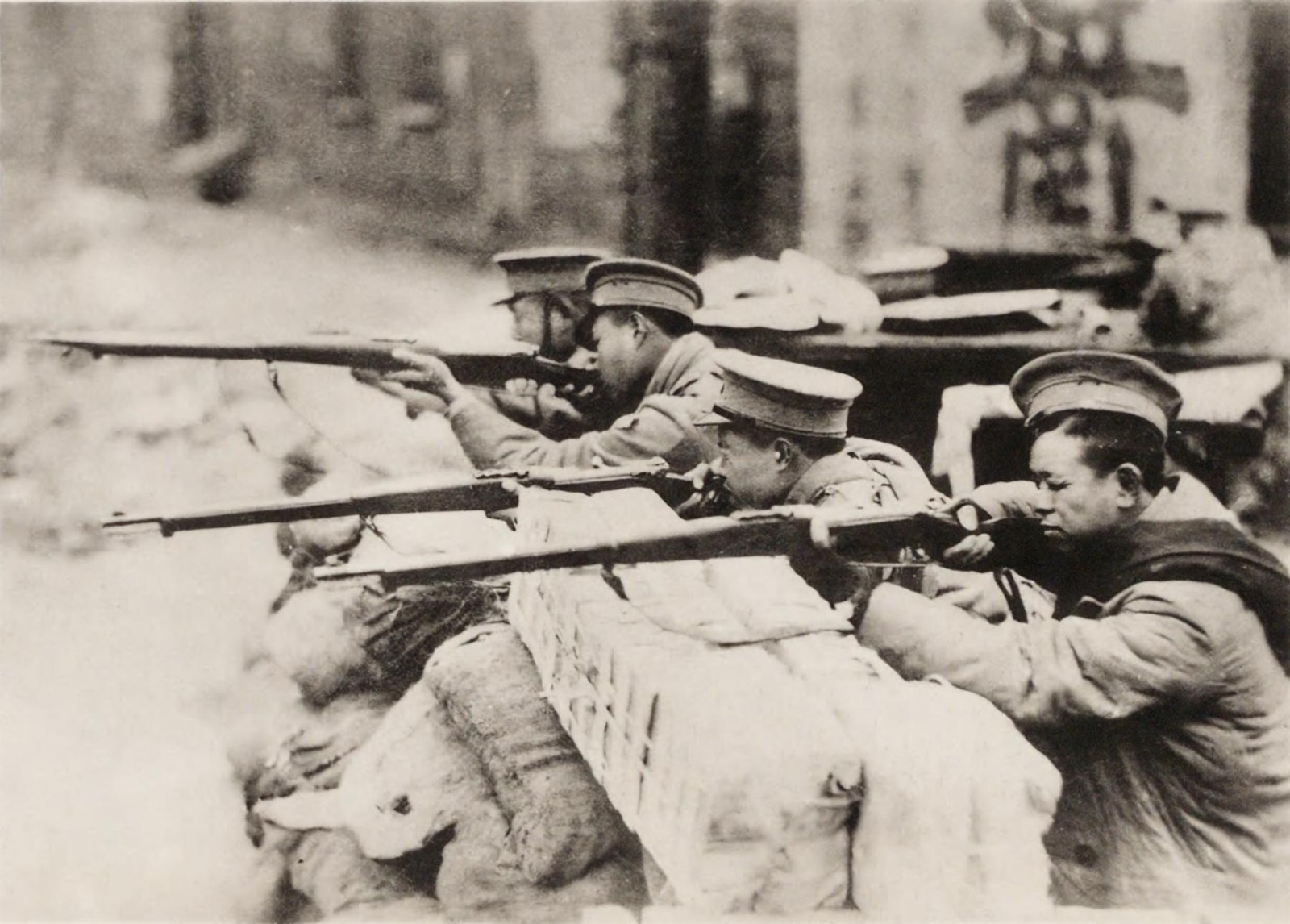
Besides the Ottoman Empire, the other major foreign user of the Gewehr 1888 was China. The Qing Empire and its successor Nationalist China took a lot of its military equipment cues from Germany, and in 1895 China decided to adopt the Gewehr 1888 as its standard infantry rifle, designating it the Type 88 rifle and beginning local production at the arsenal in the city of Hanyang.
The Hanyang Arsenal had been set up with German technical assistance and turned out high-quality rifles, to the point where the parts from the German and Chinese-manufactured rifle actions and bolts etc are completely interchangeable.
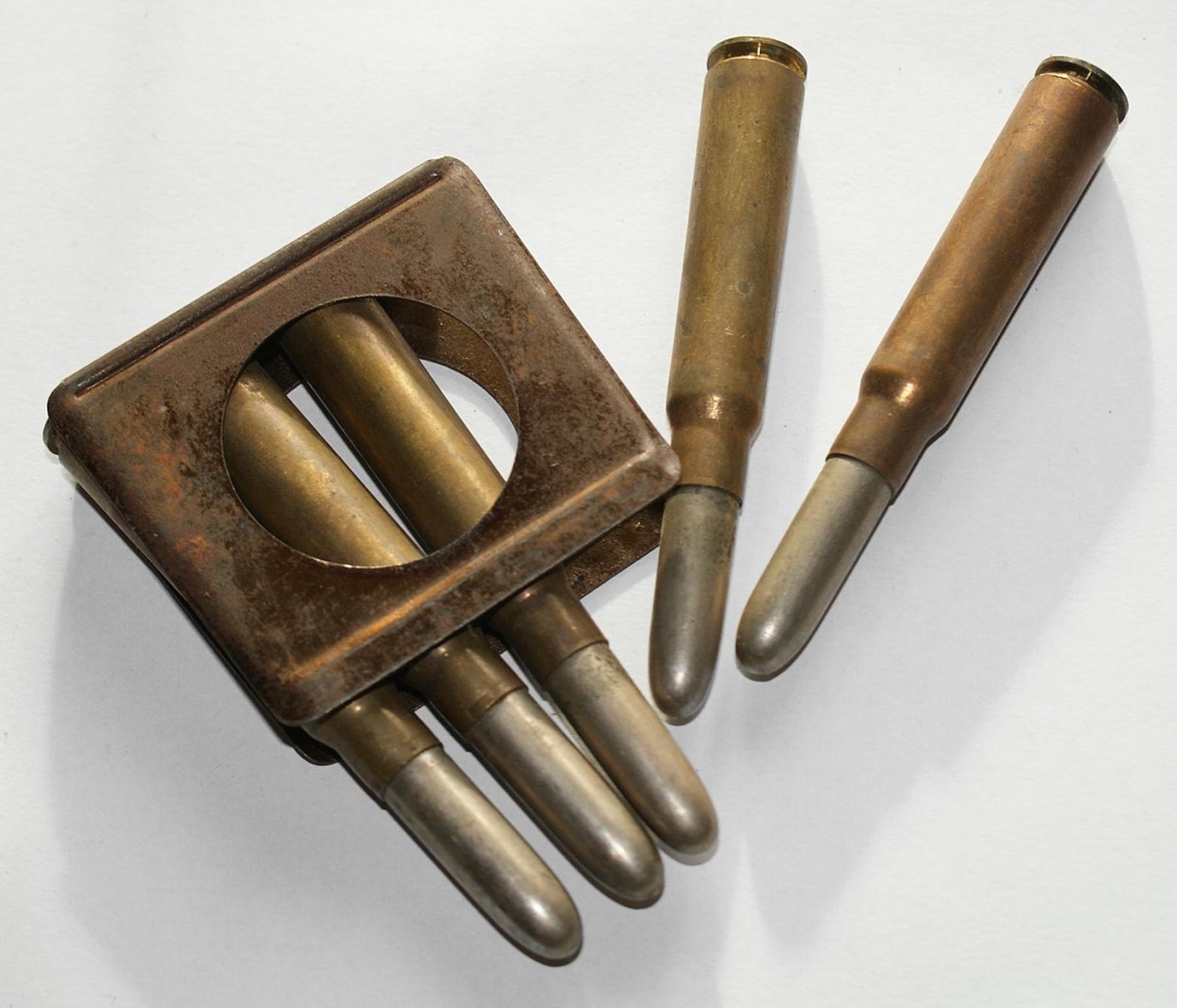
Unlike the German and Ottoman rifles, the Type 88 rifles remained chambered for the .321” diameter round-nose projectiles all the way through their production run, and were also not converted to charger loading, instead retaining the Mannlicher-style en bloc clip system.
The Chinese did, however, remove the barrel shroud from 1904 (having correctly realised it was more trouble than it was worth), and also updated the sights in 1910, making them more like those found on the various Model 1898 military rifles in use at the time.
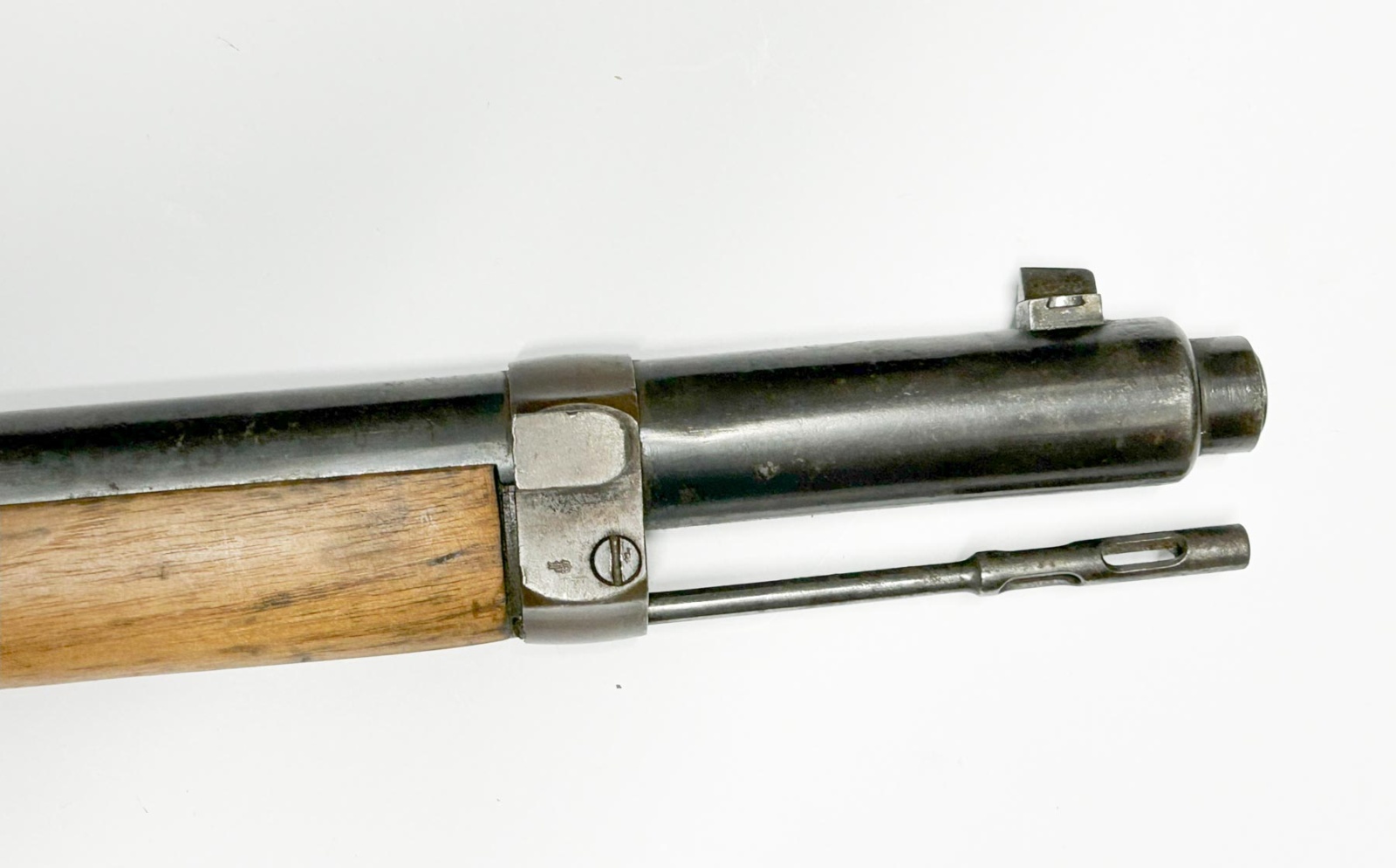
1.1 million Type 88 rifles were made by the time production was discontinued in 1944, in favour of the Type 24 “Chiang Kai-Shek” Rifle, which was essentially an identical copy of the Mauser Kar98.
Type 88 Hanyang rifles are rarely found in Australia, and when they are they tend to be in poor condition. This is unsurprising, given these rifles had incredibly hard lives, seeing service through the Boxer Rebellion, the fall of the Qing Dynasty, the Warlord Era, the Sino-Japanese War, WWII and then the Chinese Civil War.
SHOOTING THE GEWEHR 1888 COMMISSION RIFLE
The very first thing anyone planning to shoot a Gewehr 1888 Commission Rifle must do is establish whether it is chambered for the earlier “Patrone 88” round-nose cartridge or the .323” 7.92x57mm IS round — which is the one available commercially today.
Having done that, the next step is to establish whether the barrel is a .318” Czech replacement, a .321” original or a .323” WWI-era issue. Firing a .323” projectile through a .318” barrel, especially one that’s a century old, is not a good idea.
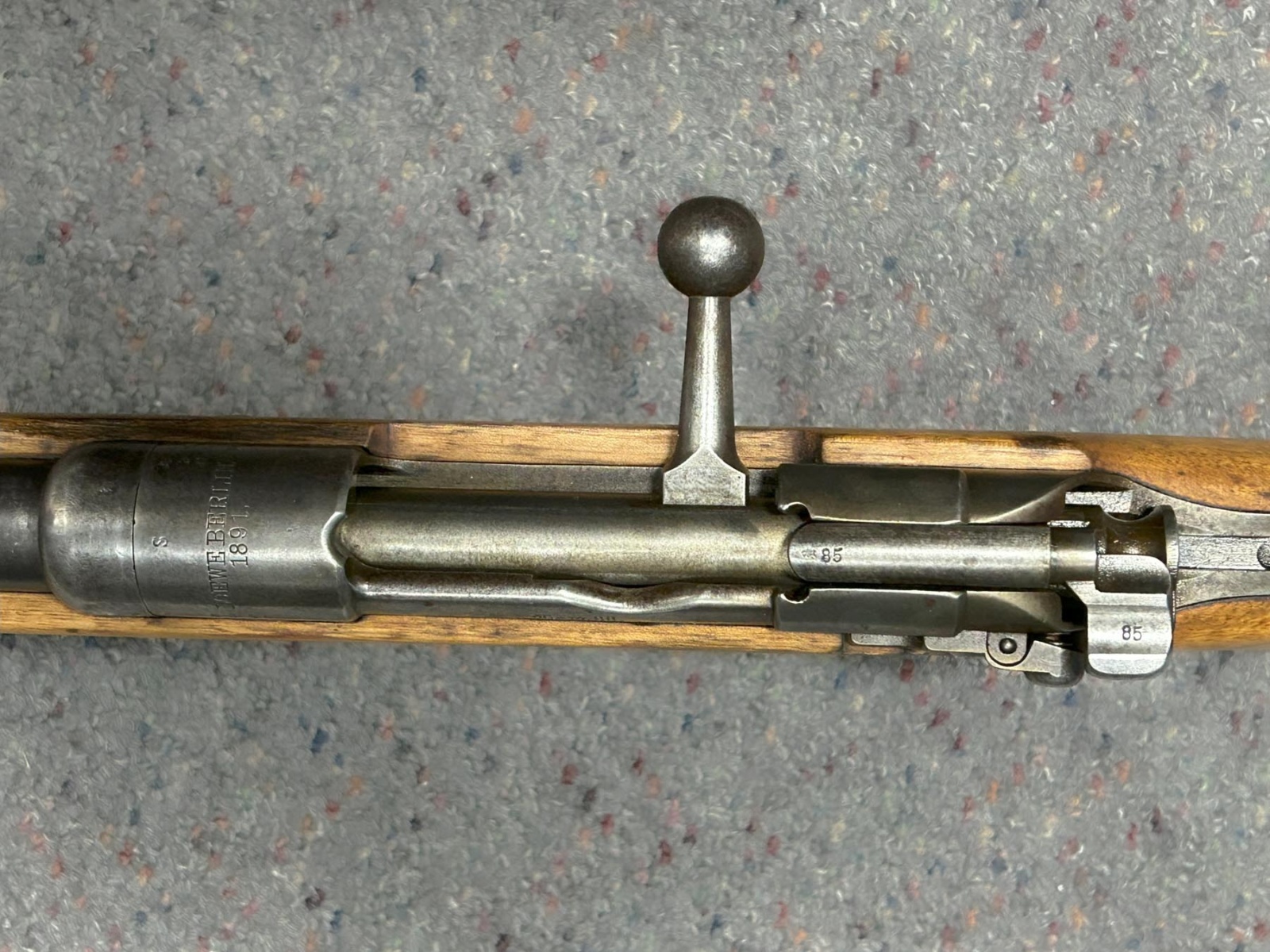
Rifles which had been rebarrelled to .323 had a “Z” stamped on the action, but just to make things confusing, rifles which had been modified slightly to accept spitzer bullets had an “S” stamped on the action top – but an “S” stamp does not mean the barrel was changed, just the chamber.
Further complicating things is that many of the Gew 88 rifles in Turkey and Latin America were in need of rebarrelling and replacement of bolts etc by the 1930s, and the story — at least according to several internet sources — goes that CZ happened to have bolts, barrels, assorted spare parts and tooling available for the design.
As a result, they were more than happy to provide new barrels — which had a .318” diameter, the same as CZ’s 7.92x57mm Mauser ammunition, essentially forcing those countries to get their ammo from Czechoslovakia as a result.
Internet firearm discussion forums are full of people arguing over the “actual” bore diameters of Gew 88 rifles and what depth was introduced when and by whom, which makes for lively reading but jut adds to the confusion of anyone with a Gew 88 they’d like to shoot.
In short, you’ll need to slug your bore to establish its diameter, and proceed from there.
Loading the Gew 88/05 is the same as any other charger-loading military rifle; open bolt, insert charger clip, push rounds into magazine, close bolt, aim, fire.
If you have one of the Gewehr 88s that still uses en bloc clips, then there is a button on the inside front of the trigger guard which can be pressed to “pop up” a partially fired clip with its remaining rounds; otherwise the empty clip will either fall out the bottom on its own or when a new clip is loaded into the magazine.
Note the Gew 88 does not have controlled round feed, and the extractor does not properly grip the cartridge rim until the bolt is fully closed. Short-stroking the bolt and not closing it properly all the way means the round in the chamber will not extract, and the next round in the magazine will feed into the chamber. At best, you’ve got a jam, at worst (depending on the force involved), the following projectile could hit the primer of the round still in the chamber, setting it off with very unpleasant consequences.
The Gew 88 is not quite as accurate as a Kar98, but is still a serviceable rifle and features a two-stage trigger with a pull similar to most other contemporary military rifles.
Given their age, Gewehr 1888 rifles have generally been relegated to collector’s items in Australia, but functioning examples are still more than suitable for use in Service Rifle matches (provided the shooter has loaded the correct ammunition!)
The Gewehr 1888 Commission Rifle may not be as famous as the other WWI-era military rifles, but it still has an impressive and storied history of its own — one that, as I discovered while researching this piece, still hasn’t been fully explored.
SPECIFICATIONS
- Calibre: 7.92x57mm Mauser
- Action: Bolt
- Magazine: 5 rounds
- Barrel length: 74cm (29.1”)
- Weight: 3.9kg (8.6lb)


0 Comments