


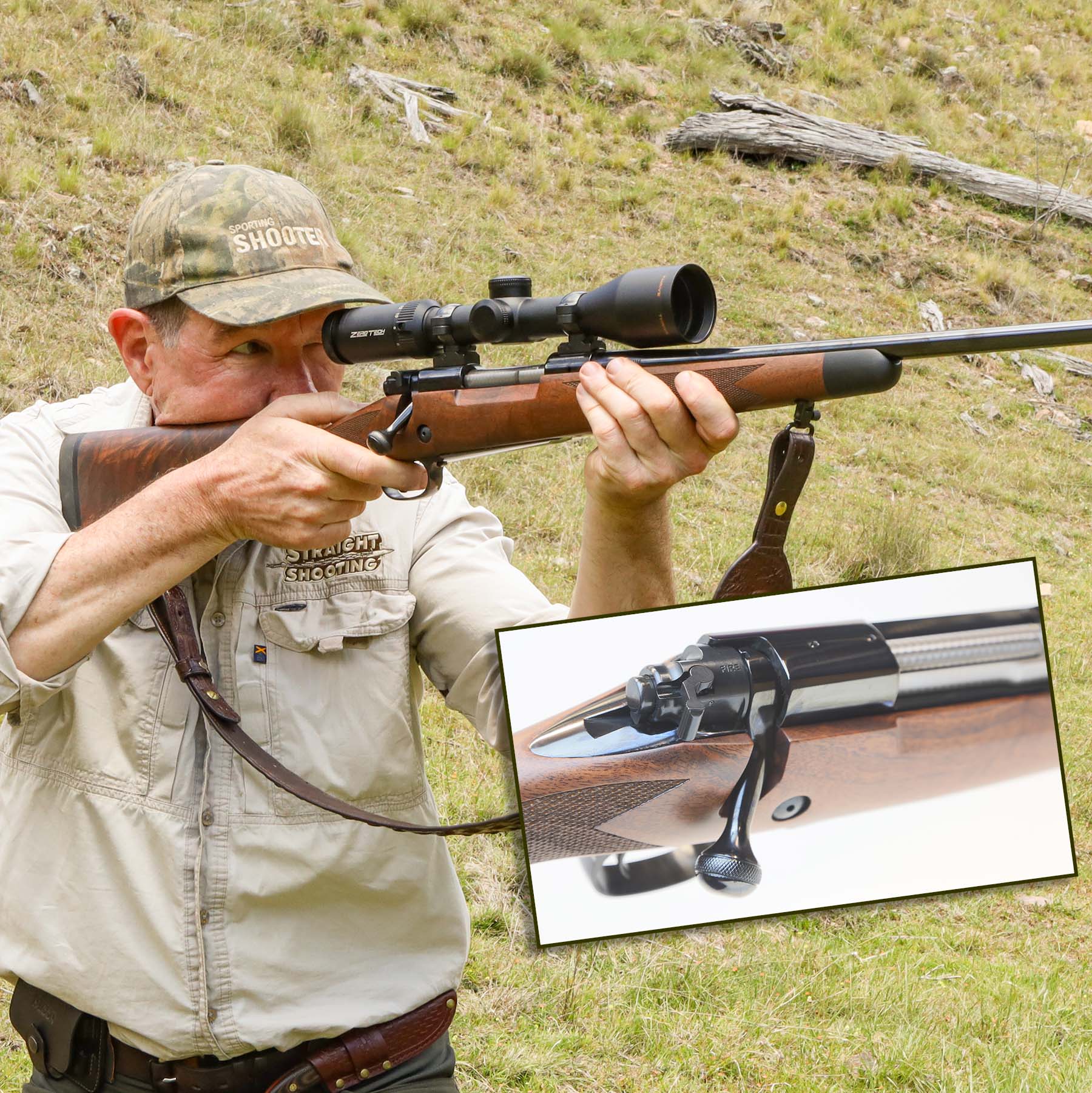



It has certainly improved with age, but does the most traditional Winchester Model 70, the Super Grade, still cut it in a matte-and-polymer world?
The Model 70 is 90 years old in 2026, and its history is well documented. So rather than a history lesson, I’m going to discuss the Super Grade in today’s context. How relevant is this rather old-fashioned, fancily finished rifle? Why does Winchester still make it alongside all the more up-to-date Model 70 configurations? Why did the late Nick Harvey, who died owning a camouflaged Browning X-Bolt Hell’s Canyon Speed, say that if he were buying a .338 Win Mag he wouldn’t “even have to think before answering … I’d definitely buy a Super Grade Model 70 Winchester”?
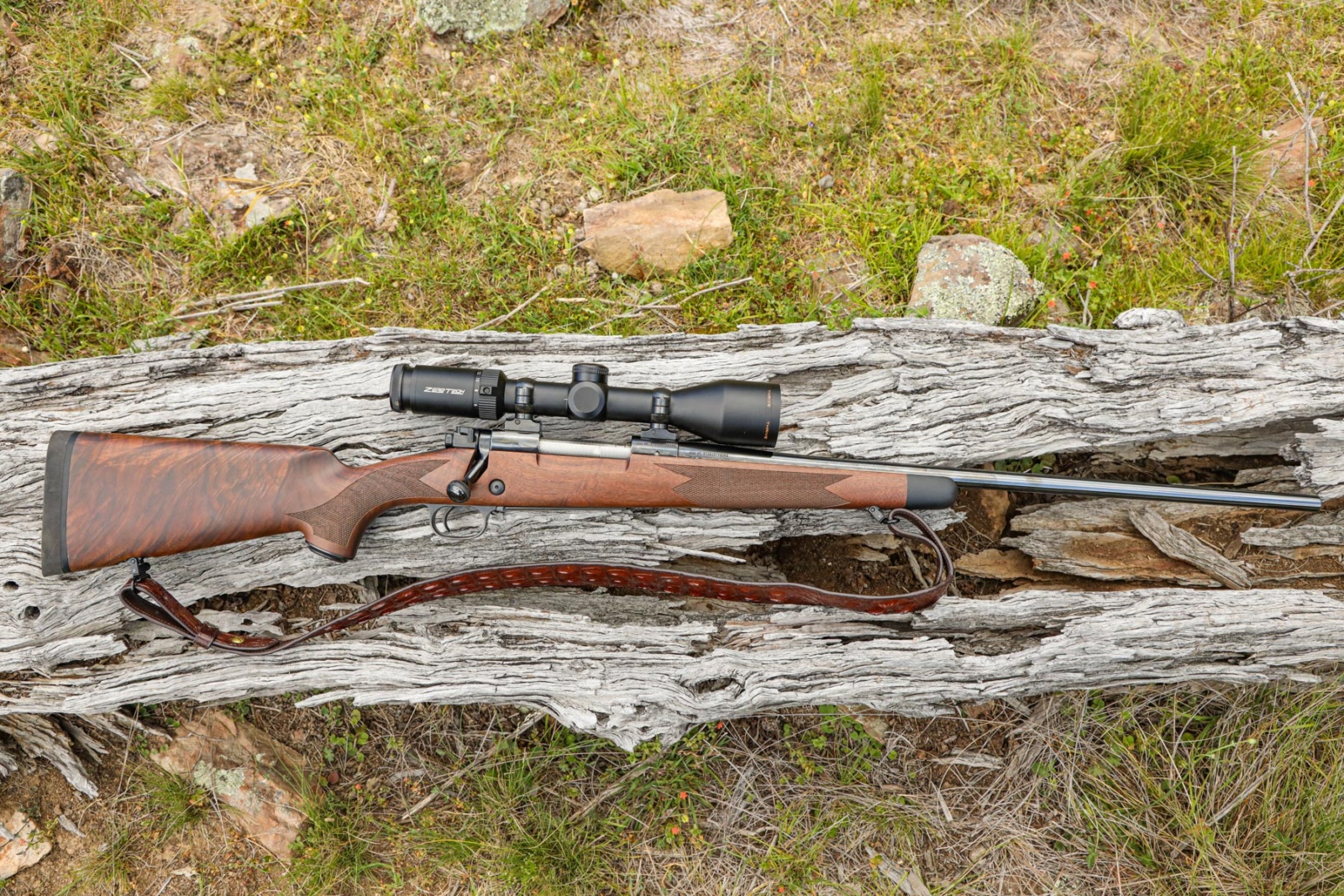
There are enough traditionalists out there to keep the Super Grade alive. The Super Grade is a solid, well-made, blued, walnut-stocked hunting rifle built to high standards. It’s certainly not the most practical of the many current Model 70 variations, such as the synthetic and stainless Extreme Weather, and nor is it as light and slender as the blued, walnut Featherweight, but if it’s tradition you want, with a touch of high-class glamour thrown in, this is your baby.
The phrase “old-fashioned” has been irking me since the second paragraph. Pretty walnut and glossy bluing might be from yesteryear’s catwalk but if there’s anything unfashionable about the Super Grade it is not the Model 70 platform. This action may be nine decades old, and based on the Mauser design from late the 1800s, but the only real criticism you can level at it is that it is not pared down to the lowest common denominator, ie, cheapness. The excellent economy of modern fat-bolt rifles doesn’t take anything away from the perfection of the Model 70 controlled-feed action.
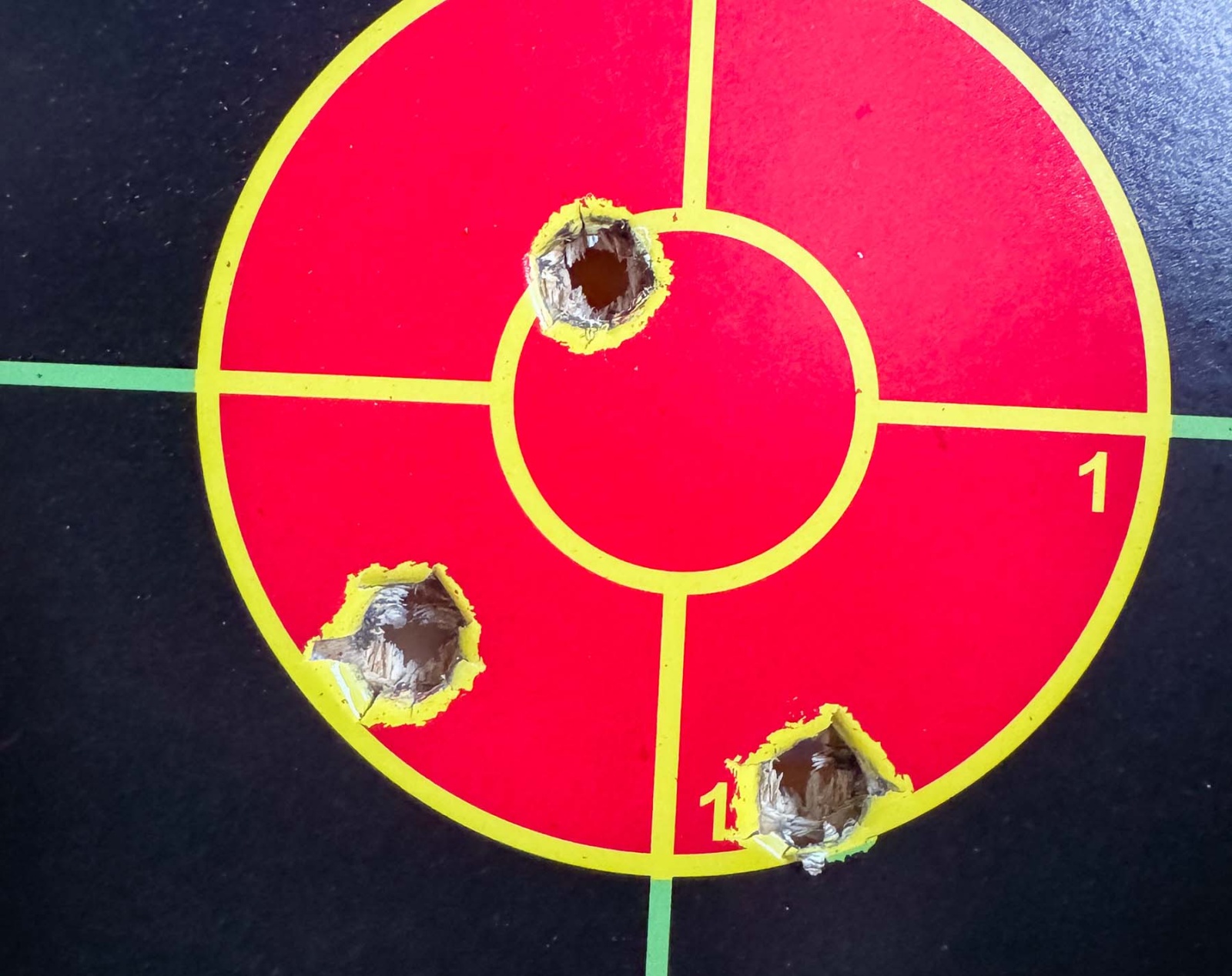
The ultimate proof of that is in the accuracy, which is as good as any hunting rifle. The test rifle achieved a sub-MOA average with one factory load and was barely larger with many others. What’s more, I worked up a handload that shot to about ½ MOA and was extremely consistent (see the table).
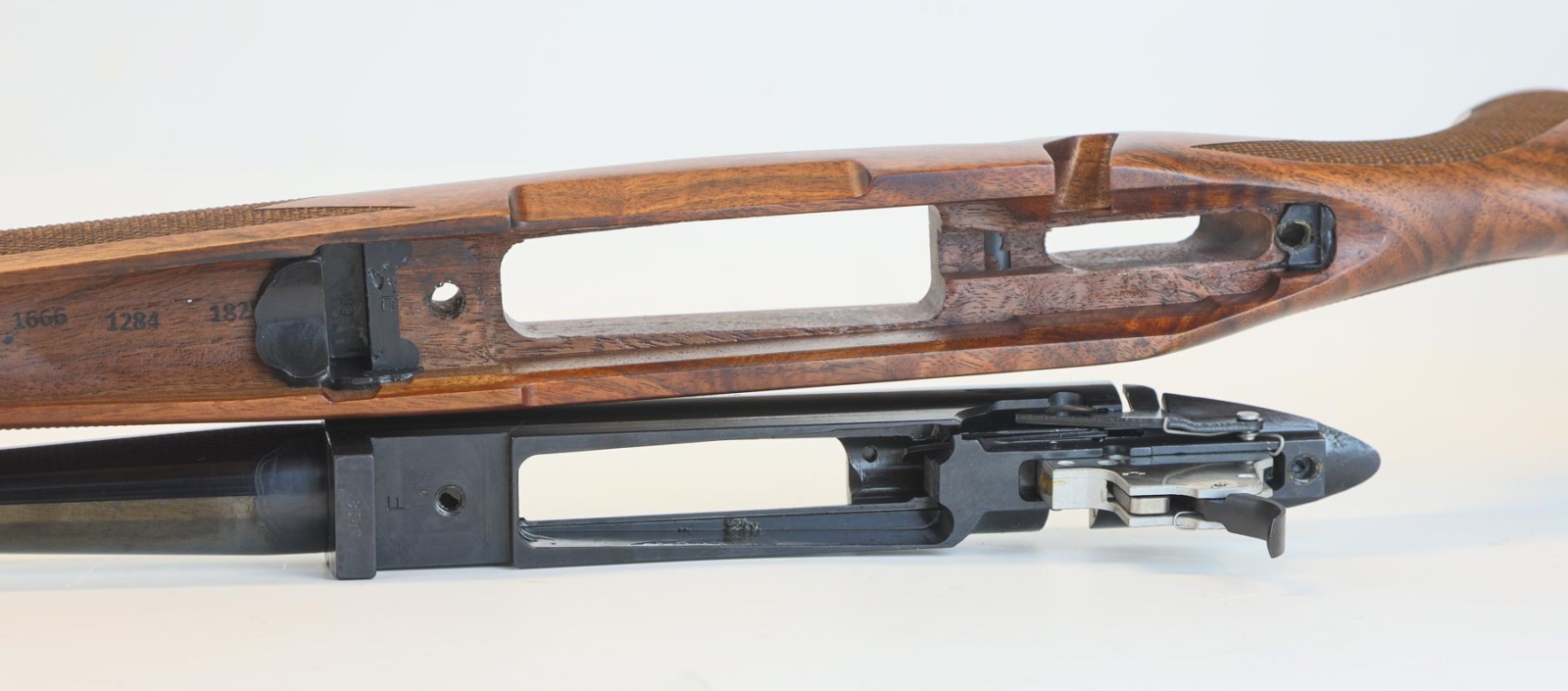
The action is available in short and long lengths, depending on calibre, with an open top and a built-in magazine with a steel floorplate that’s hinged to hasten unloading. The bottom metal is a single piece of steel, which imparts a little more rigidity overall, and the flat-bottomed forged-steel receiver is bedded into the stock on a factory-installed compound.
A recoil lug is an extension of the front receiver ring, and there’s a cross-bolt through the stock, behind the magazine, which also braces against recoil. The action and bottom metal are a firm fit in the stock’s inletting, with no looseness or movement at all.
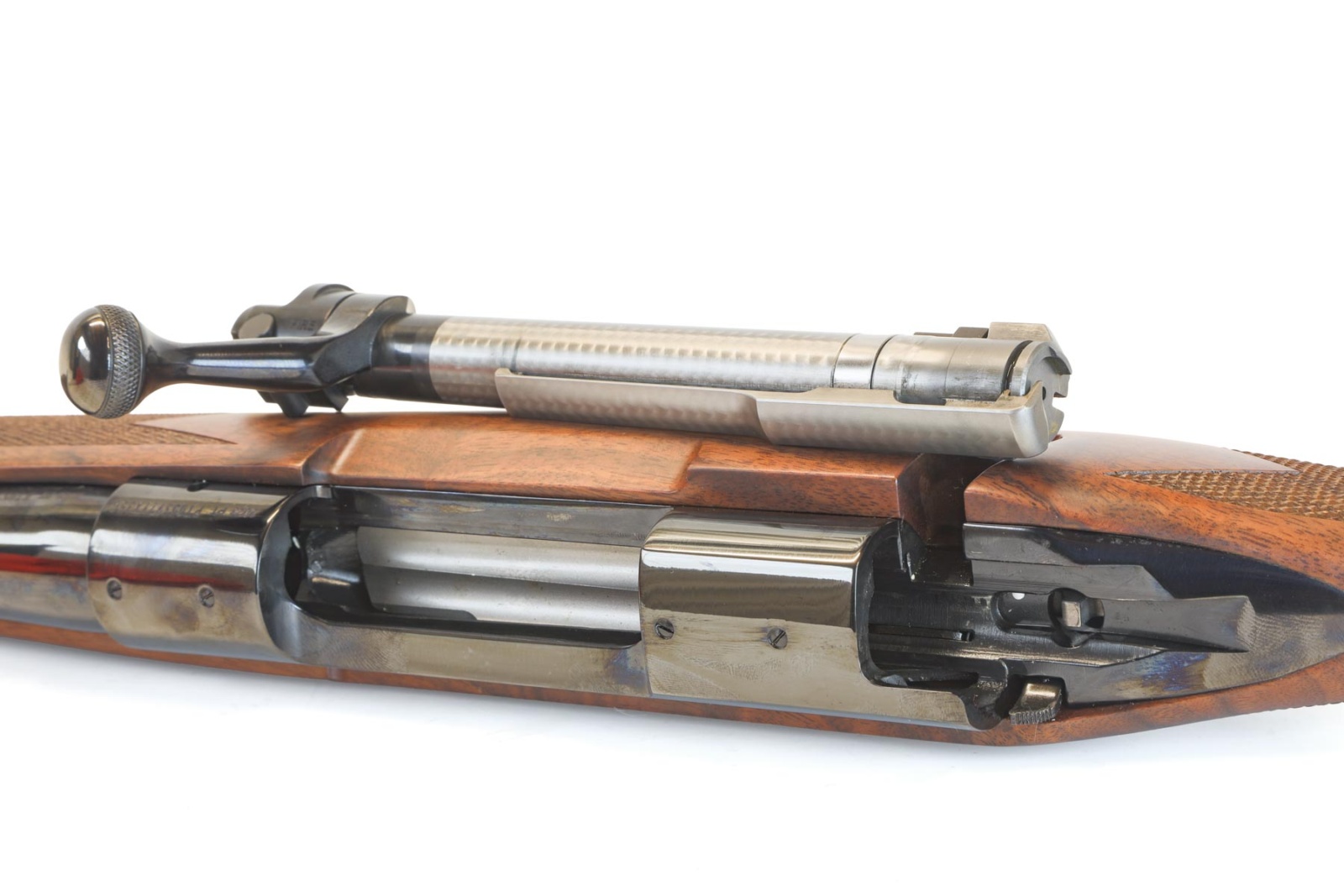
The bolt, which has a jewelled finish, has the renowned non-rotating claw extractor, which also serves to carry, rather than push, the cartridge all the way into the chamber: the controlled round feed that so many people trust. The bolt has two large locking lugs and the base of the bolt handle serves a minor role as a backup if things fail violently. You can take apart the bolt by pushing a small locking button and unscrewing the internals.
The Model 70 bolt can never be as slick as the best modern wide-body designs but it still slides easily and quickly. The handle lifts 90 degrees and the long action has 12cm of bolt travel. The shiny bolt handle is chequered, which adds tangibly to the purchase you have on it.
How sharply you pull back on the bolt dictates how far the receiver-mounted ejector blade flicks the spent case clear. That ejector along with the huge extractor claw ensure virtually foolproof cycling, especially when speed really counts.
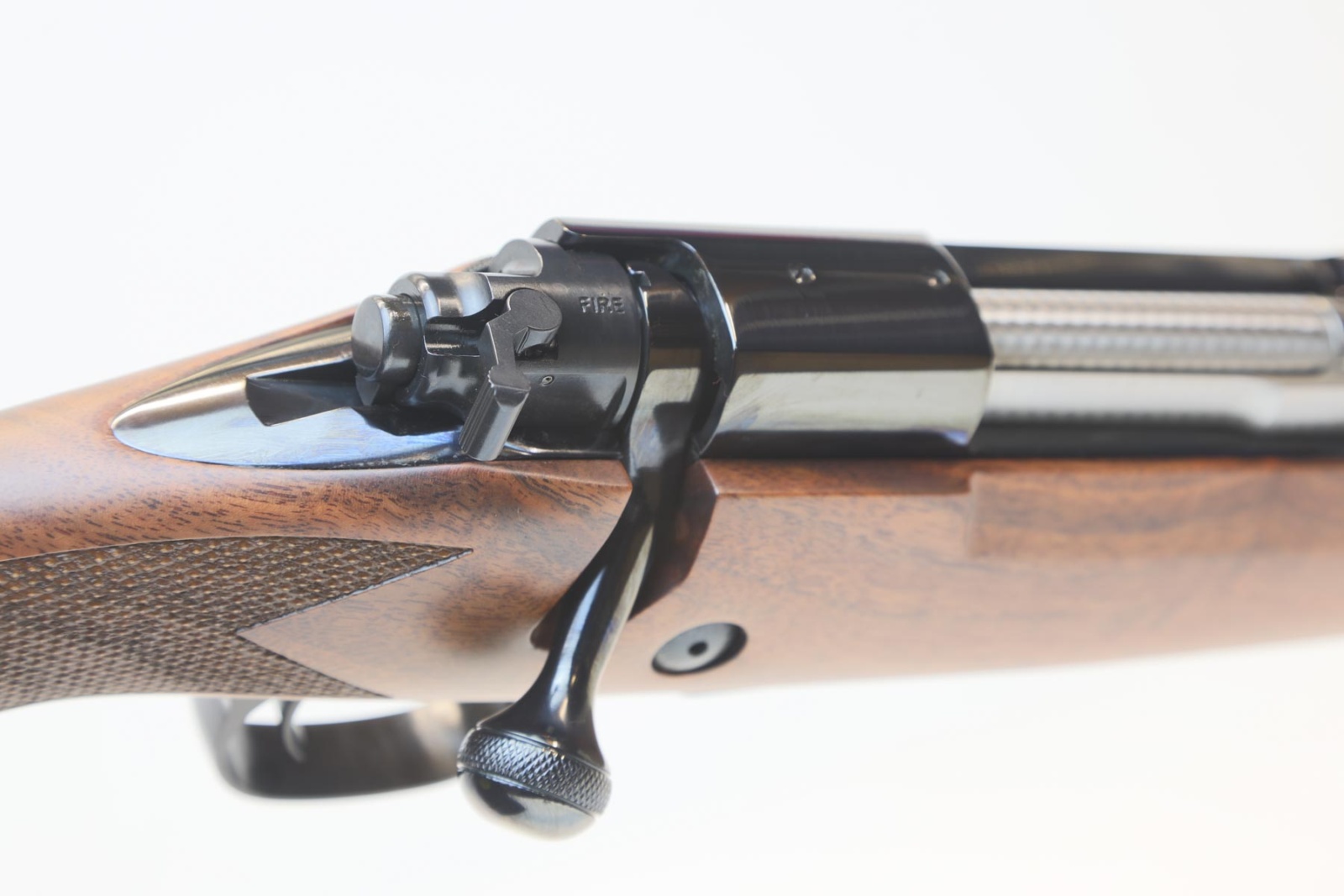
The Winchester’s bolt-mounted three-position safety, which is rotated backwards to engage, blocks the firing pin and trigger, as well as the bolt in its rearmost position.
The Model 70 has the MOA trigger, updated around a decade ago. It can be adjusted between about 1.3 and 2.3kg (3-5lb), though it was at 2.7kg on the test rifle when it arrived. Within a few minutes I had it down to 1.3, the traditional hunting weight, but it feels even lighter because of the 2:1 mechanical advantage built into the three-lever system. It lets off with superb crispness, completely free of take-up or creep.
The receiver is drilled and tapped for scope mounts. I managed to track down a set of gloss-finished Leupold quick-release bases which in my mind are perfect for the Super Grade. Lock & Load in Cairns had a set in the bargain bin for just $50, and my local shop, Mudgee Firearms, had matching gloss rings, so I grabbed them. There are very few gloss options left, with almost everything now made with a matte finish, and it’s just as difficult finding a glossy scope, maybe more so, although some matte scopes are a little shinier than others.
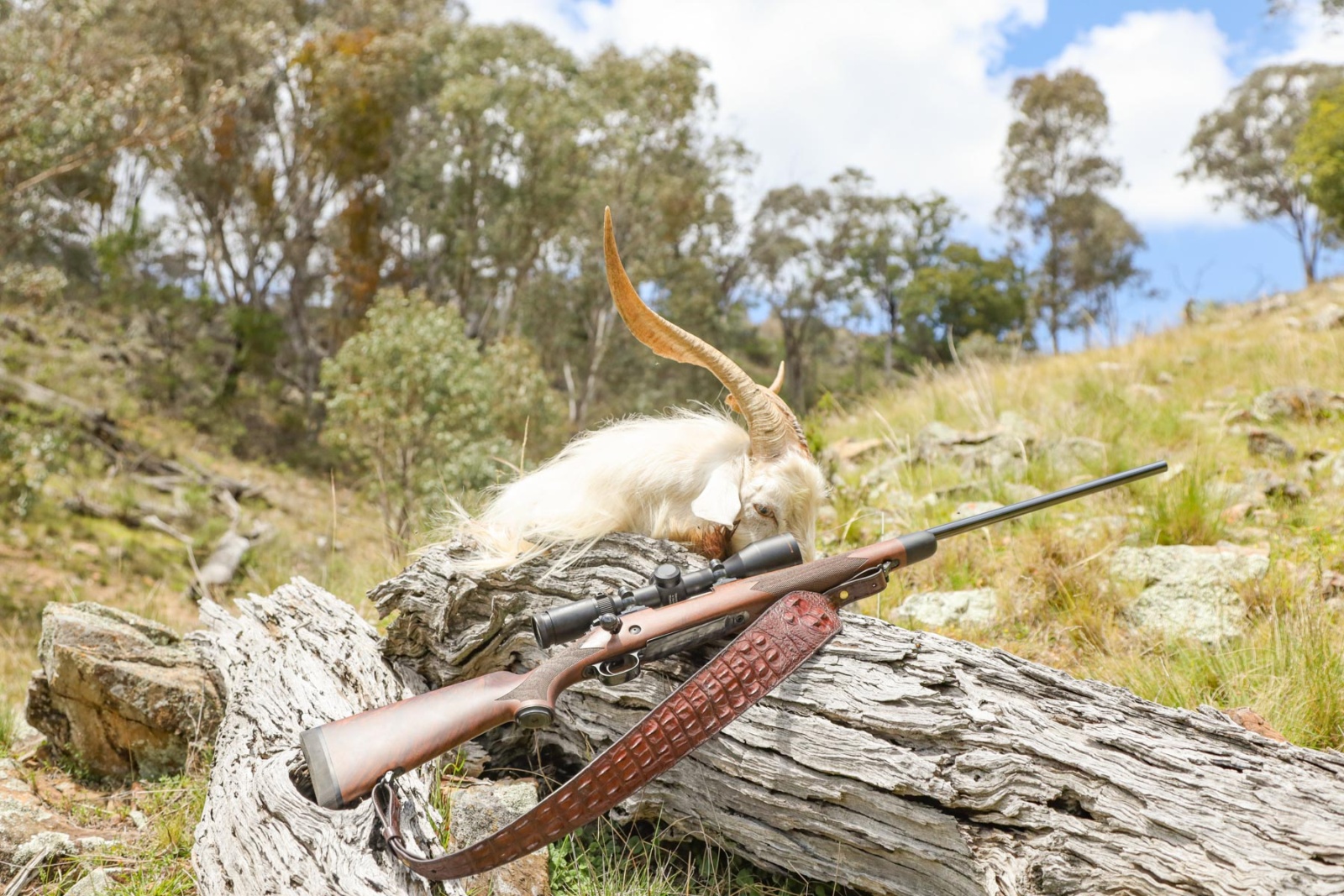
On the long action, a Picatinny-style rail might be more practical because not many modern scopes are long enough to sit in distantly spaced rings without being too far forward for proper eye relief. If you fit a rail, make sure it is relieved above the ejection port so you can still comfortably fill the top-feeding magazine.
Cartridges click into place with a gentle push and five go in without effort. You can single-load the Model 70 by just dropping a round onto the follower and pushing the bolt. The coned breech leaves no obstructions for the bullet to jam against, but when single-feeding like this you have to close the bolt sharply to ensure the big extractor claw jumps over the cartridge rim in the last couple of millimetres of movement.
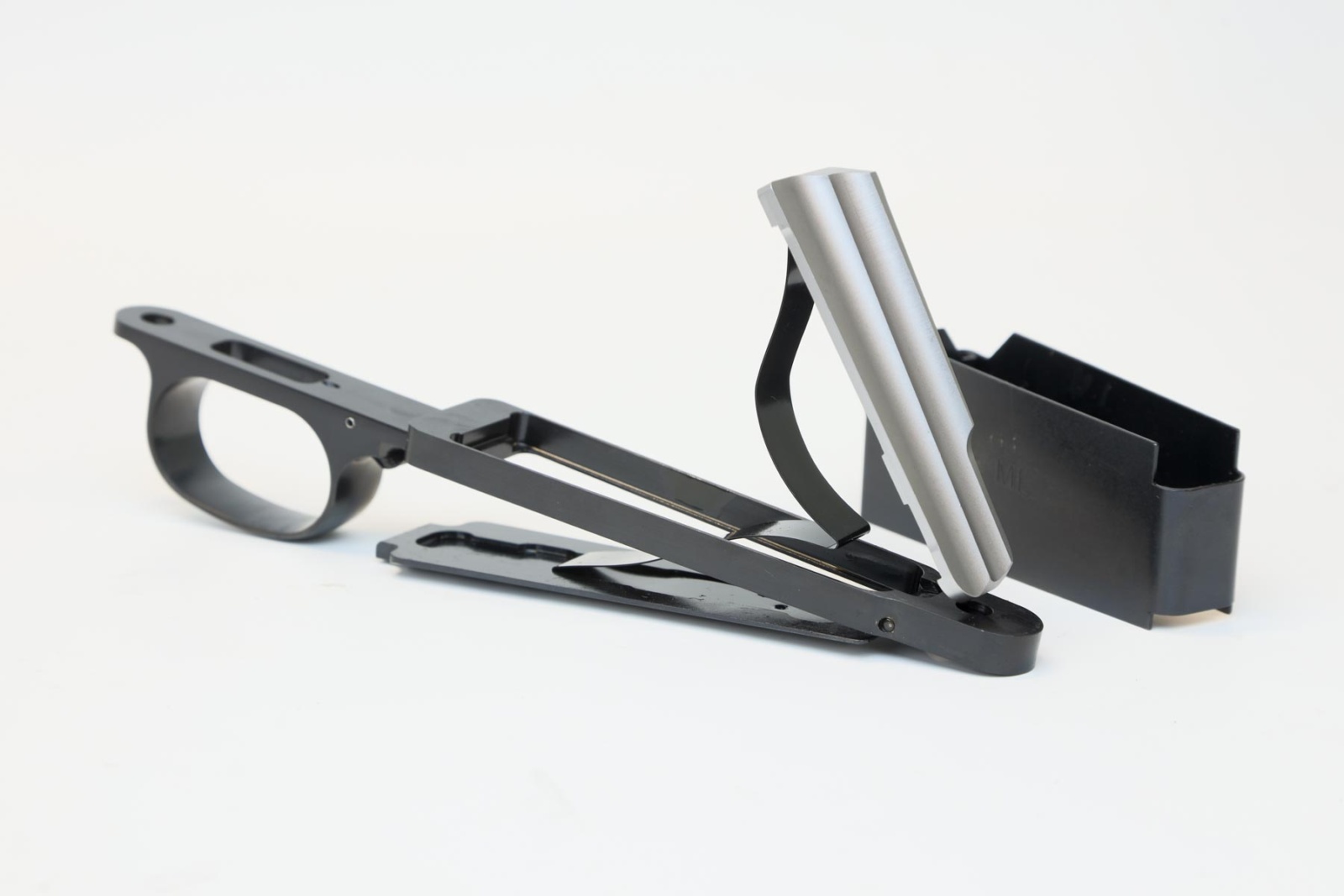
The double-stack design of the magazine only adds about 5mm to the width of the rifle compared with, say, a Winchester XPR with its single-stack removable mag, and it’s so nice to have five rounds in a rifle without anything hanging out the bottom. The flush-fit mag is part of what makes the Super Grade elegant. The elevated grade of walnut is, of course, another aspect but the stock’s simple lines are the main thing.
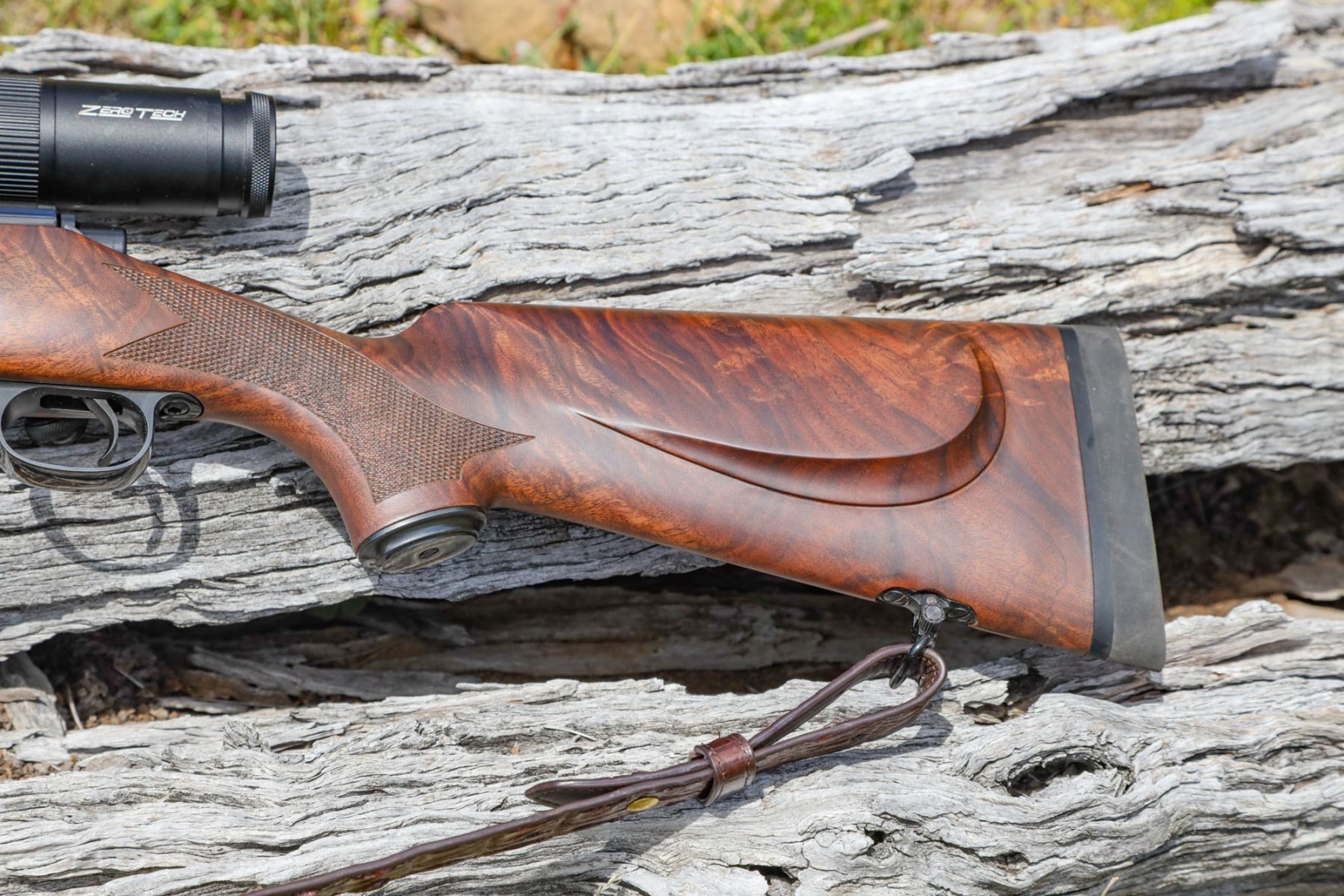
The classic sporter stock has a straight comb with a cheekpiece on the left which gives you broad, better contact. The comb is high enough to suit scoped use, and with the 50mm objectives of both scopes I fitted barely off the barrel, the crosshairs were dead in line with my eye. With 35cm (13¾”) length of pull, the Model 70 is comfortably adult sized, and the size and shape of the pistol grip suit.
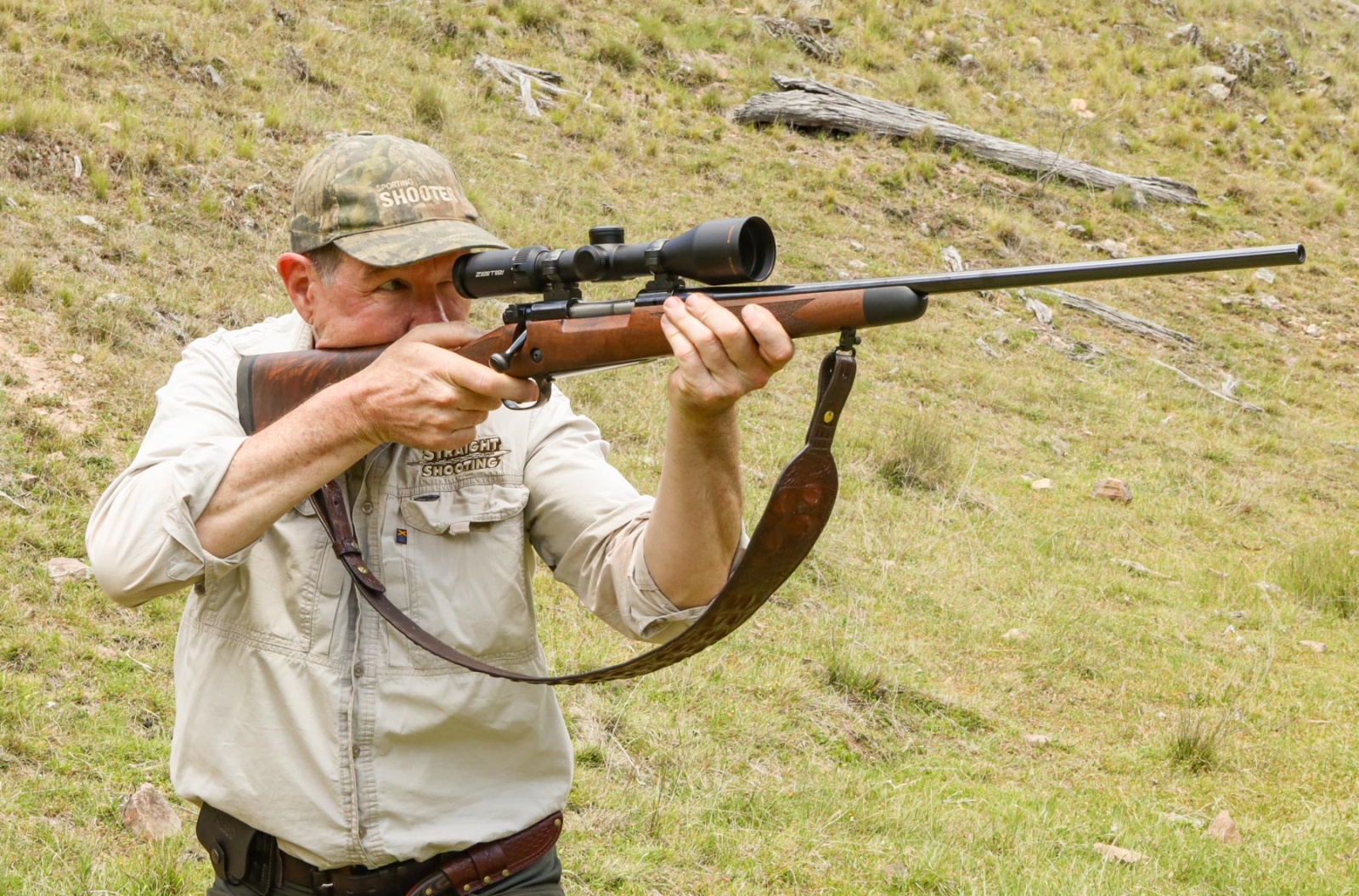
Cut chequering on the pistol grip and fore-end afford excellent grip thanks to its sharpness. The .30-06 boots just enough that the grip is welcome, though you don’t feel much of a kick because the Super Grade’s 3.5kg-plus mass absorbs it nicely, the soft Pachmayr Decelerator pad works brilliantly and the stock’s shape, with neither rise nor fall along the comb, tends to reduce the impact elsewhere.
You can adopt any field shooting position and the Winchester cooperates to bring out your best accuracy. Its extra bit of weight steadies you, even offhand, and the centre of balance is perfectly placed under the magazine. Accuracy testing on the bench was a breeze, and in more than 100 rounds there wasn’t one that I had doubts about as it went off. Bench shooting isn’t the point of the Super Grade but its performance there translated to a number of clean kills in the field, from offhand shots within 100m to a longest of 340m fired in the sitting position.
The two common refrains from hunters about taking the Super Grade out bush are that it is too pretty and too heavy. A Super Grade buyer must be fatalistic about the inevitable scars of use and should be fit enough to lug the load if aesthetics are that important. If not, there are alternatives like the Extreme Weather and the Featherweight. Just don’t let a Super Grade become a safe queen. That would be a travesty.
Some people prefer a 56cm (22”) barrel over the 61cm (24”) tube on the .30-06 Super Grade. The .308 has a 56cm barrel, but then you won’t get anywhere near the 900m/s-plus (3000fps) some loads chronographed from the .30-06 test rifle. If you want more speed and energy, you’ll need the .300 Win Mag and its 66cm (26” barrel). At the moment, these are the only calibres Winchester Australia has available in the Super Grade.
We can’t avoid discussing the Model 70’s birthplace. Some shooters, particularly American ones, get their knickers in a knot about the fact that a rifle so deeply rooted in hunting heritage is no longer made in the Ewe Ess Avay, but in Portugal by a multinational conglomerate, the FN-Browning Group. Fair enough, too, but complaining about it doesn’t change the realities of the modern world, and it means closing your mind to something special.
The factory, Browning Viana, turns out a quality product. It was established just over 50 years ago and is a healthy concern, with more than 600 employees and annual production approaching 200,000 rifles and shotguns. It has recently invested over €30 million in new robotic equipment as it strives to increase production capacity, and at the same time its workers enjoyed a pay increase of 11 percent over a couple of years.
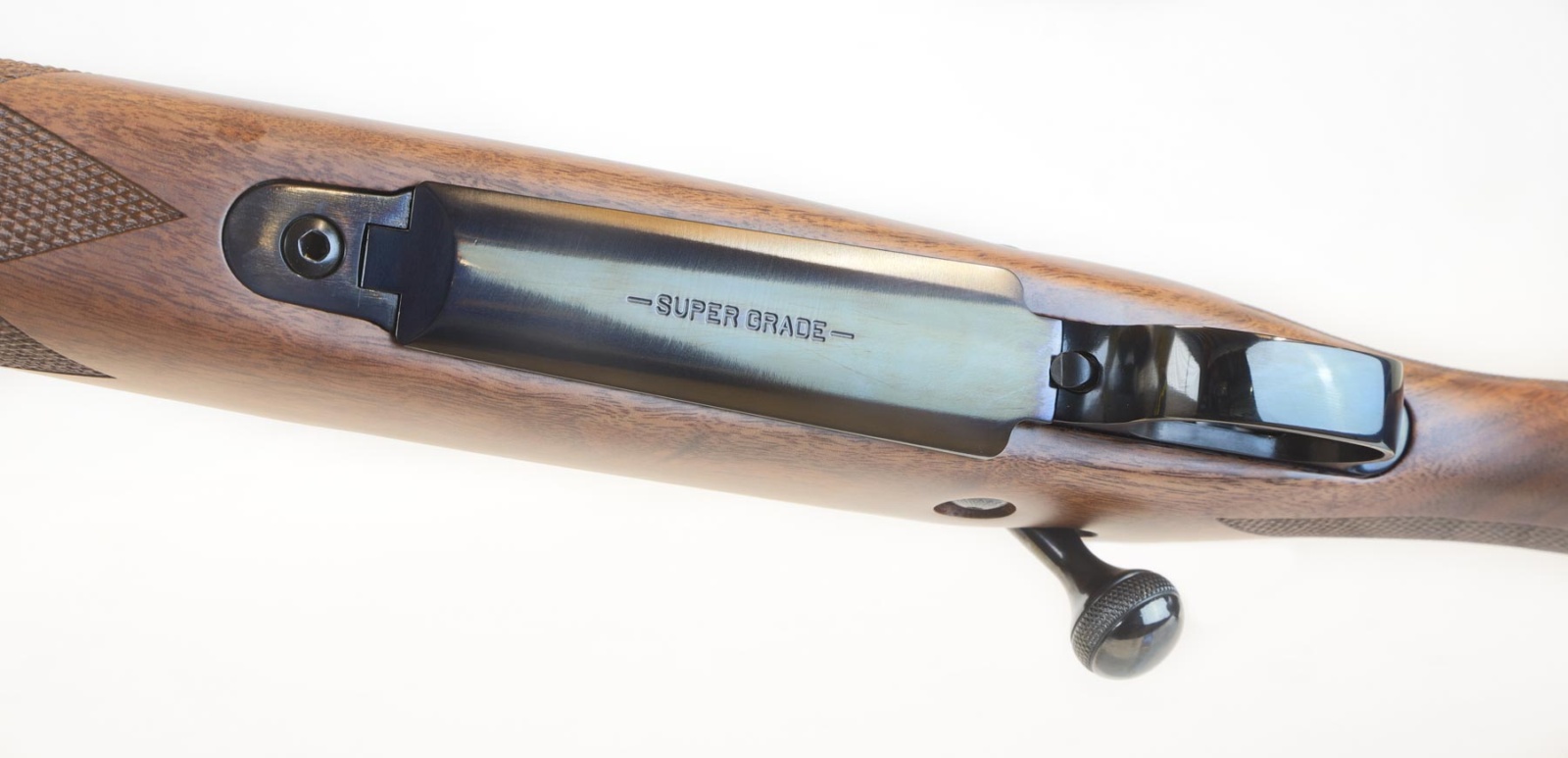
It translates to good quality in the fit and finish of the Super Grade. We’re not talking Rigby standards but the gloss is truly glossy and the wood-to-metal fit is neat and tight. The barrel floats in a channel that, on the test rifle, was symmetrical on each side. There were a couple of minor dags of bedding material inside the stock that I cleaned up with a small file, even if it didn’t need doing.
In his test of the Model 70 Featherweight in April 2016, Nick Harvey wrote that the current Portuguese-made Model 70s were “superior to the legendary pre-64 [version] that gun nuts still rave about”. That says a lot, coming from a man who by then had had about 60 years experience with every update along the way. He owned a Featherweight at the time.
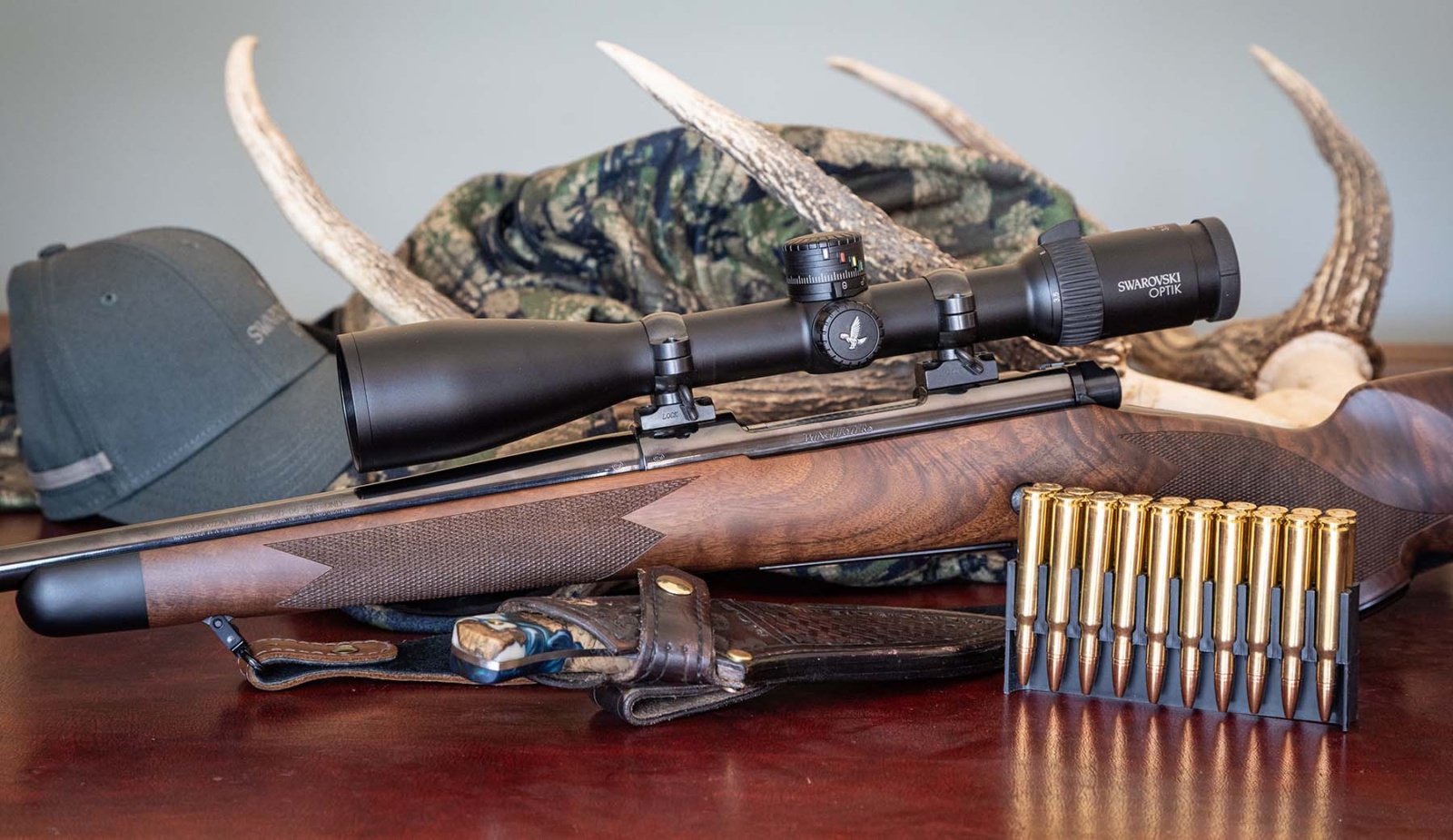
The Winchester Model 70 is not old, it is timeless, kept fit to perform as well as newer rifles in virtually every respect, retaining strengths many others have abandoned. In Super Grade form, its classy walnut and glossy blueing speak of older times, intentionally adding beauty and pride of ownership to a firearm that can hold its own in the field.
So if you’re still wondering where this rifle fits in the modern world, it’s the one that gives you tradition without compromise, at a price that’s not too much of a premium.
SPECIFICATIONS
- Manufacturer: FN-Browning, Portugal
- Action: Turn-bolt, controlled feed
- Trigger: Single stage, adjustable 1.3-2.3kg
- Safety: 3-position, wing-type, firing-pin and trigger blocker
- Barrel: Cold hammer-forged steel, 61cm (24”)
- Twist rate: 1:10” (.30-06)
- Calibres: Currently .308, .30-06 (tested), .300 Win Mag
- Magazine: 5 rounds, double stack, floorplate release
- Sights: None; receiver drilled and tapped
- Stock: Walnut, Grade V/VI, bedded
- Length of pull: 35cm (13¾”)
- Drop at heel and comb: 13mm (½”)
- Overall length: 112cm (44¼”)
- Weight: 3.5kg bare (8lb 4oz)
- RRP: $3150
- Distributor: Winchester Australia


0 Comments